The Best African Safari Destinations
Africa does not reveal itself all at once. It unfolds, slowly, deliberately, in the way a lioness watches the horizon before she moves, or the way the Serengeti changes colour in the last hour before sunset. If you have been carrying the idea of an african safari somewhere in the back of your mind, 2026 and 2027 are the years to stop waiting.
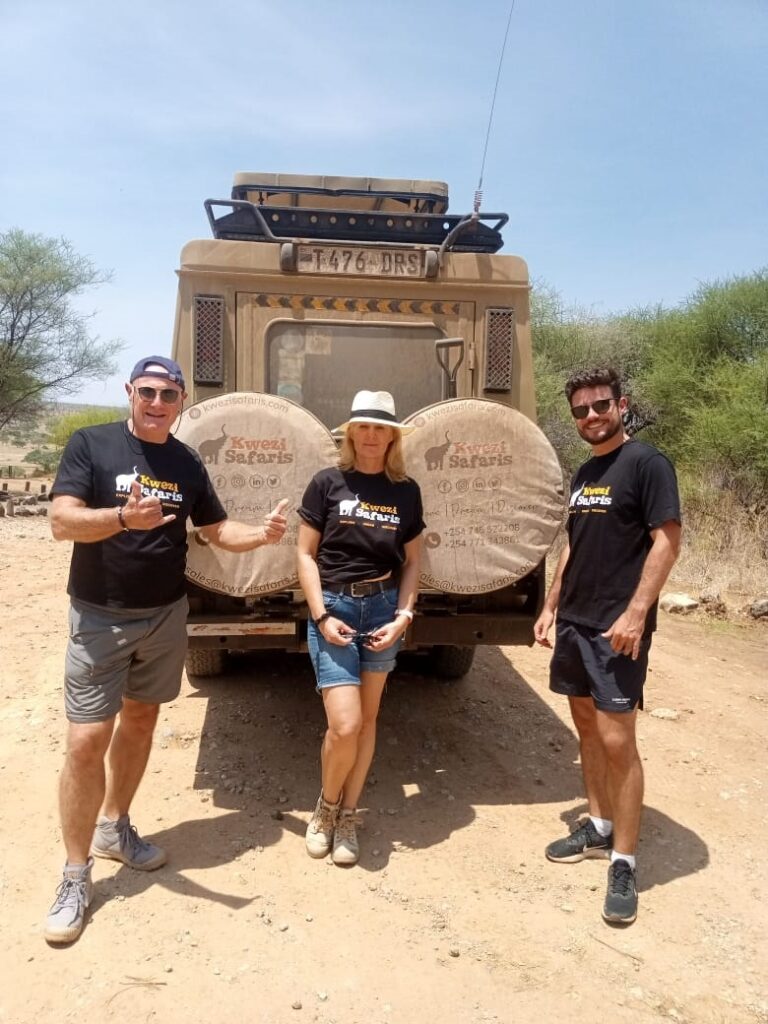
At Kwezi Safaris, we have spent over two decades leading travellers through East Africa’s most extraordinary wild spaces: from the dust and thunder of the Great Migration to the mist-draped forests of Rwanda’s volcanoes. This is not a list of places. It is an invitation to an african safari experience that stays with you long after you have come home.
Here is where we are pointing our compass for 2026 and 2027, and why.
Kenya: Wild at Heart, Warm by Nature
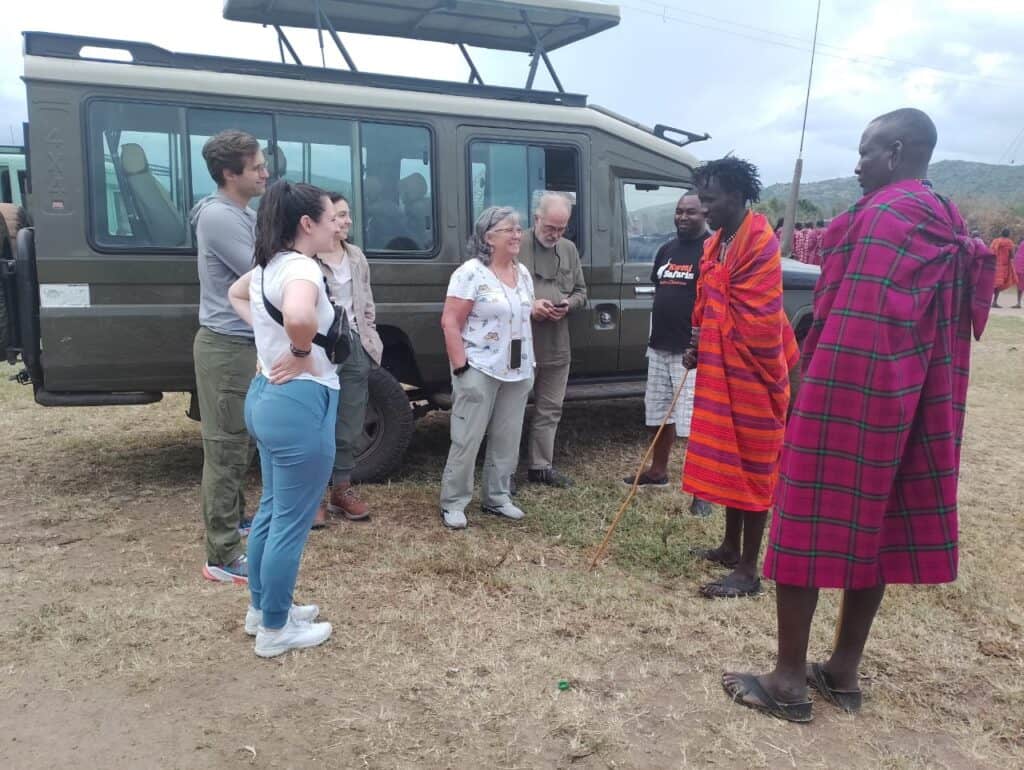
When most people imagine an african safari, they are imagining Kenya, and Kenya rarely disappoints. The Maasai Mara remains one of the most celebrated wildlife reserves on earth, and for good reason. Between July and October, over a million wildebeest cross the Mara River in a spectacle that no documentary quite captures. You have to be there, standing at the riverbank as the herds surge across, to understand what the word migration really means.
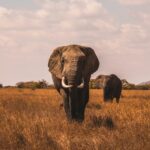
But Kenya is far more layered than the Mara alone. Amboseli gives you sweeping views of Mount Kilimanjaro rising above herds of elephants, the kind of scene that makes you reach for your camera and then quietly put it down, because you don’t want to miss a second of it. Samburu, in the north, offers an entirely different landscape: arid, dramatic, and home to rare species like the reticulated giraffe and the Grevy’s zebra.
An african safari with Our director, George Nchau, has guided trips across Kenya for over 20 years. His knowledge of the Mara’s rhythms, where the big cats move, when the light is best, which crossing point to position yourself at on any given morning, is the kind of expertise that turns a safari into something genuinely rare. When you travel with Kwezi, you are not following a script. You are travelling with someone who actually knows this land.
Ideal for: First-time african safari travellers, wildlife photography, family safaris, the Great Migration Best time to visit: July–October for the Migration; January–March for calving season in the Mara
Tanzania: The Country That Has Everything
Tanzania is, in many ways, the african safari in its purest form. The Serengeti alone, 15,000 square kilometres of open grassland, is enough to justify the journey. The Migration moves through the Serengeti from December through to July, so depending on when you travel, you may witness the calving season on the southern plains, the dramatic river crossings of the northern corridor, or the vast herds spread across the central Seronera.
Then there is the Ngorongoro Crater: a collapsed volcanic caldera that is home to one of the densest concentrations of wildlife in Africa. Our Tanzania guide, Laban Swai, calls it “a world within a world”, and after a morning inside the crater, you will understand exactly what he means. Lions that have never needed to learn how to climb trees. Elephants with tusks that brush the ground. Black rhinos that you spot in the distance and feel quietly lucky to have seen at all.
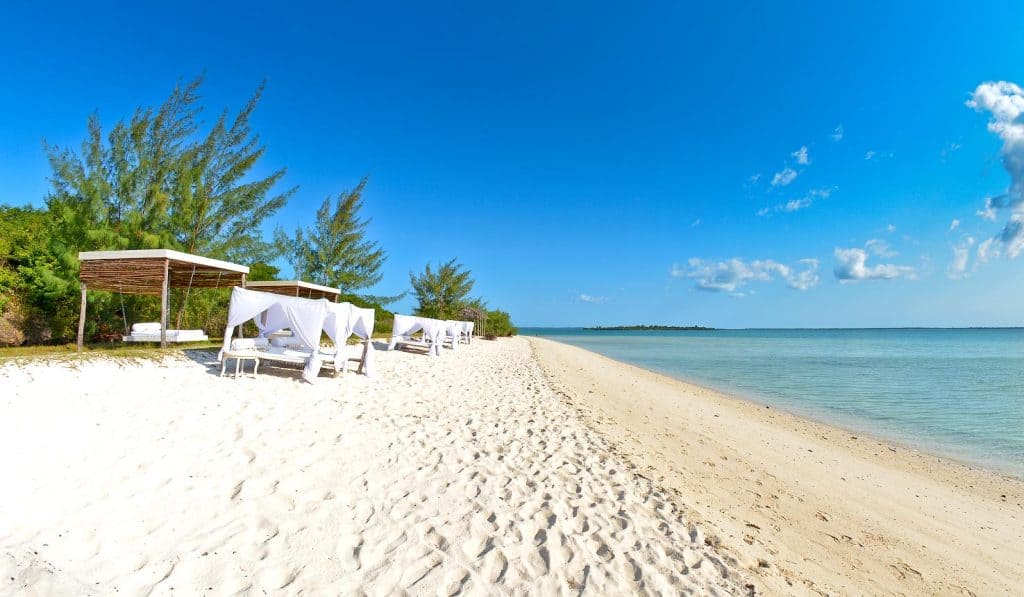
For those who want to add the coast to their journey, Zanzibar is a natural final chapter on your african safari. Stone Town’s narrow streets and spice markets, followed by a few slow days on a beach that looks like it was designed specifically to help you exhale — there is no better way to end an East African adventure.
Tarangire National Park, often overlooked in favour of its more famous neighbours, is extraordinary in the dry season: enormous baobabs, ancient elephants, and far fewer vehicles than you will find elsewhere.
Ideal for: The full East African experience, couples, honeymooners, serious wildlife enthusiasts. Best time to visit: June–October for dry season game viewing; January–February for calving in the southern Serengeti
Uganda & Rwanda: The Other Side of Africa
Not every unforgettable moment on an african safari happens on an open plain. Some of the most profound wildlife encounters in the world take place in the forests of Uganda and Rwanda, quiet, close, and unlike anything else you will experience on this continent.
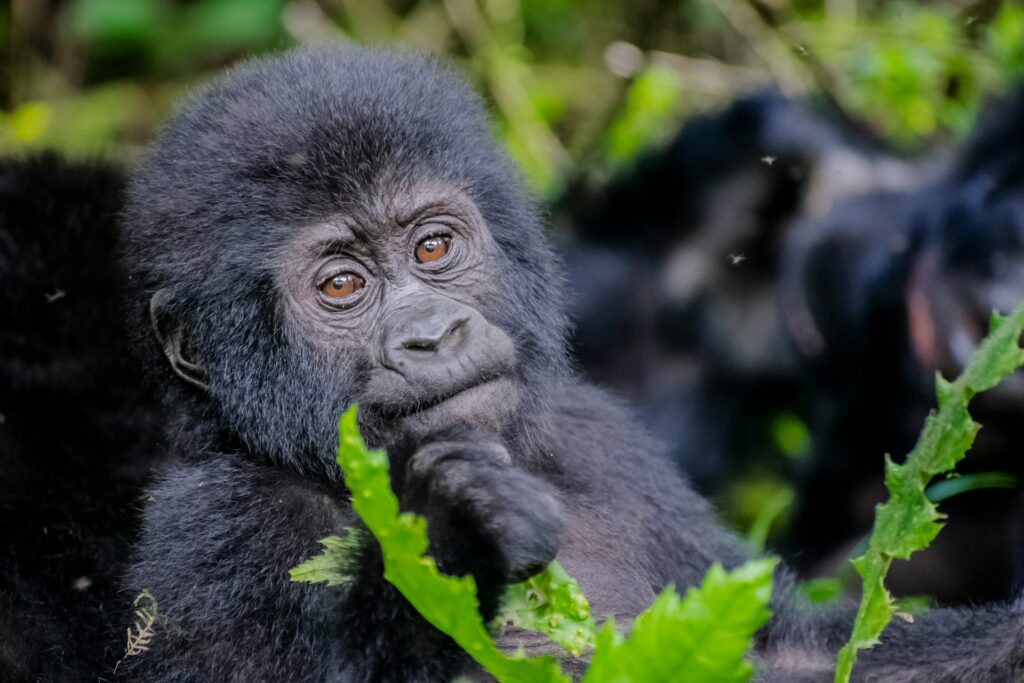
Mountain gorilla trekking on an african safari is one of those experiences that people struggle to describe afterwards, not because nothing happened, but because so much did. You hike through dense forest, sometimes for an hour, sometimes for four, and then, there they are. A family of gorillas, going about their morning. A silverback resting in a shaft of sunlight. A young one watching you with what feels, genuinely, like curiosity.
Uganda’s Bwindi Impenetrable Forest and Rwanda’s Volcanoes National Park both offer gorilla trekking permits, and we help our clients navigate the process, timing, and logistics to make sure the african safari experience goes smoothly. Uganda also offers chimpanzee tracking in Kibale Forest, and the extraordinary birding and wildlife of Queen Elizabeth National Park, where tree-climbing lions lounge in the fig trees above the Ishasha plains.
These destinations suit travellers who want something beyond the traditional african safari — who are looking for an encounter with Africa that feels genuinely intimate.
Ideal for: Adventure travellers, repeat african safari visitors, wildlife conservationists, small groups Best time to visit: June–September and December–February (dry seasons, best trekking conditions)
Zanzibar & Diani: When the Safari Meets the Sea
There is a particular kind of pleasure in spending your mornings watching elephants on an african safari and your evenings watching the Indian Ocean turn gold. East Africa offers this combination more naturally than almost anywhere else in the world, and it is one of the things our clients tell us they love most about their trips.
Zanzibar — the island archipelago off Tanzania’s coast — brings together warm water, white sand, and a history that is genuinely worth exploring. Stone Town is a UNESCO World Heritage Site, and wandering its streets in the early morning, before the heat builds, is one of those quiet travel pleasures that stays with you. The diving around Mnemba Atoll is world-class, and the pace of the island is the perfect counterweight to the intensity of a full wildlife itinerary.
On the Kenyan side, Diani Beach — just south of Mombasa — offers a similar escape: calm seas, excellent seafood, and a relaxed atmosphere that makes it ideal as a post-african safari wind-down. For families travelling with children, or for clients who want their itinerary to include a genuine beach holiday alongside the wildlife, both destinations work beautifully.
Our travel consultant Diana Muimi regularly builds combination itineraries that blend african safari and coast, and the feedback is consistent: people arrive expecting a holiday and leave feeling like they have had an experience.
Ideal for: Post-african safari relaxation, honeymooners, families, divers and snorkellers Best time to visit: June–October (dry season, calm seas)
Why Book Your 2026 or 2027 Safari Now?
The most sought-after camps in East Africa for an african safari — the ones with ten tents instead of a hundred, the ones positioned at the best vantage points in the Mara or overlooking a Serengeti waterhole — fill up early. Gorilla trekking permits for Bwindi and Volcanoes National Park are limited by law to protect the gorillas, and they are among the first things to disappear when the planning season begins.
Booking ahead for your african safari is not about being anxious. It is about having options. It means choosing your preferred camp rather than accepting what is left. It means travelling in the season that suits you, rather than the one that fits around availability. And for travel in peak months — July through October — early planning can make a significant difference to the quality of your experience.
At Kwezi Safaris, every itinerary is built around you. We do not sell packages. We plan trips — tailored to your travel style, your interests, your pace, and the wildlife moments that matter most to you. Our team in Nairobi, Arusha, and the field bring genuine on-the-ground knowledge that no booking platform can replicate.
Sustainability Is Part of How We Travel
Kwezi Safaris holds Travelife Partner status and is a member of Eco-Tourism Kenya. These are not logos on a webpage; they reflect how we actually operate. The camps and lodges we work with are selected partly on the quality of their wildlife experience, and partly on how they treat the land, the communities around them, and the wildlife they depend on.
Our eco-conscious consultant, Paul Kimiri, works closely with clients who want to travel in a way that gives back, whether that means choosing a community-owned conservancy, understanding where their tourism spend goes, or simply learning more about the conservation challenges facing East Africa’s wild places. It is a conversation we are always glad to have.
Start Planning Your African Safari Today
Whether you have a specific destination in mind or you are starting with nothing more than a feeling — that pull toward open skies, wild country, and something genuinely different, we would love to help you shape it into a journey.
Get in touch with our team to start planning your 2026 or 2027 African safari. We will take care of the details. You bring the sense of adventure.
The african safari journey is one that transforms you, offering experiences that are both thrilling and serene, from watching the migration to experiencing local cultures. We invite you to discover the beauty, diversity, and adventure that awaits you on your african safari.