$ 160 Entry
Arusha National Park
Arusha Region
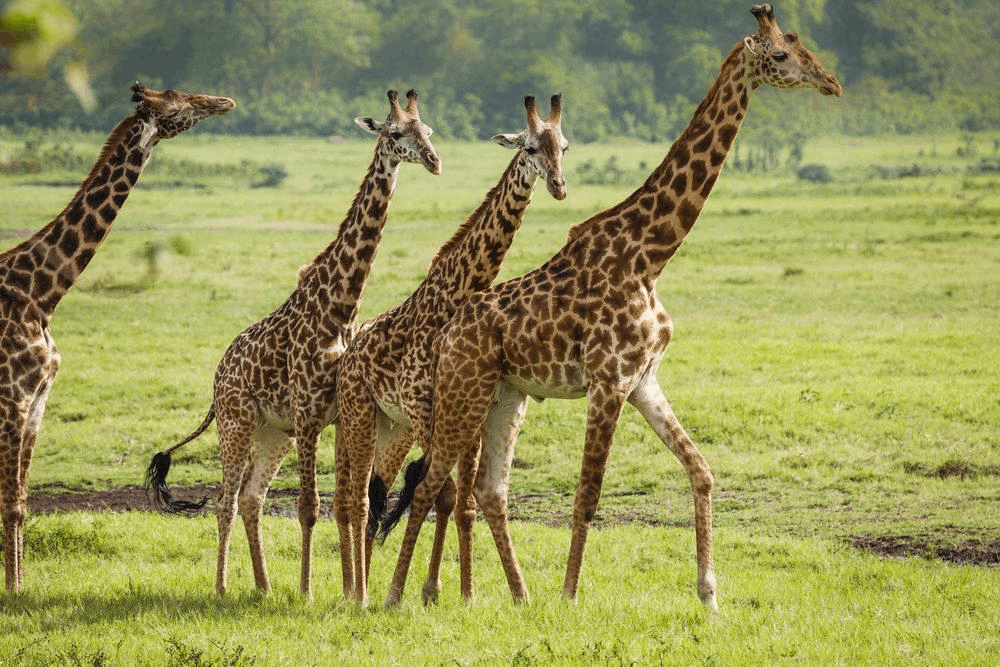
Though compact compared to Tanzania’s larger parks, Arusha National Park offers an incredible range of landscapes—grasslands.....
Discover Park


Tanzania · East Africa
21 national parks plus the Ngorongoro Crater, mapped and explained by a team that has been to every one of them




Tanzania is renowned for its extensive conservation efforts, with approximately 38% of its land designated as national parks, game reserves, and conservation areas. This percentage is among the highest in Africa, demonstrating the country’s commitment to wildlife preservation and environmental protection. While the Serengeti National Park often garners the most attention and fame for its iconic migration and expansive landscapes, other parks offer unique experiences that cater to different preferences and interests.
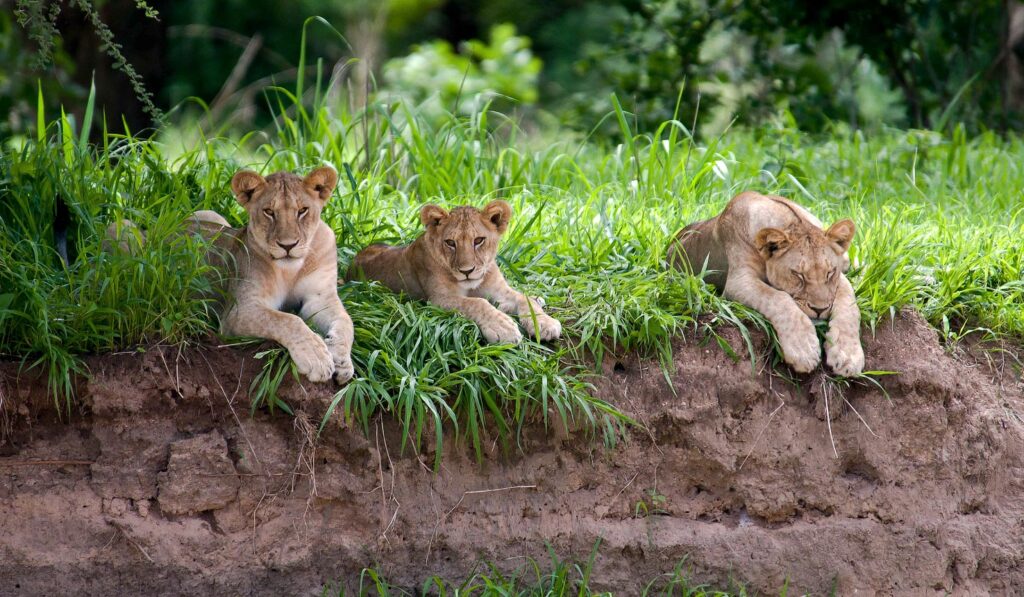
For instance, Tarangire National Park is famous for its impressive herds of elephants, providing visitors with the chance to witness these majestic creatures in their natural habitat. Ruaha National Park, on the other hand, boasts one of the highest densities of lions in Africa, making it a premier destination for those eager to observe these powerful predators up close. Meanwhile, the Ngorongoro Crater, a UNESCO World Heritage site, offers near-certain opportunities to see the Big Five—lions, leopards, elephants, rhinoceroses, and buffalo—thanks to its unique ecosystem and concentration of wildlife within the crater.
We have personally experienced the wonders of each of these parks and understand the significance of choosing the right destinations for your safari adventure. Below, we provide comprehensive information about the costs associated with visiting each park, the best times to go, and suggested combinations of parks that optimize your experience based on the duration of your trip. This will enable you to make informed comparisons before finalizing your itinerary, ensuring that your safari aligns with your specific interests and expectations.
Explore our full portfolio of parks, reserves and conservancies.
8 parks in this collection
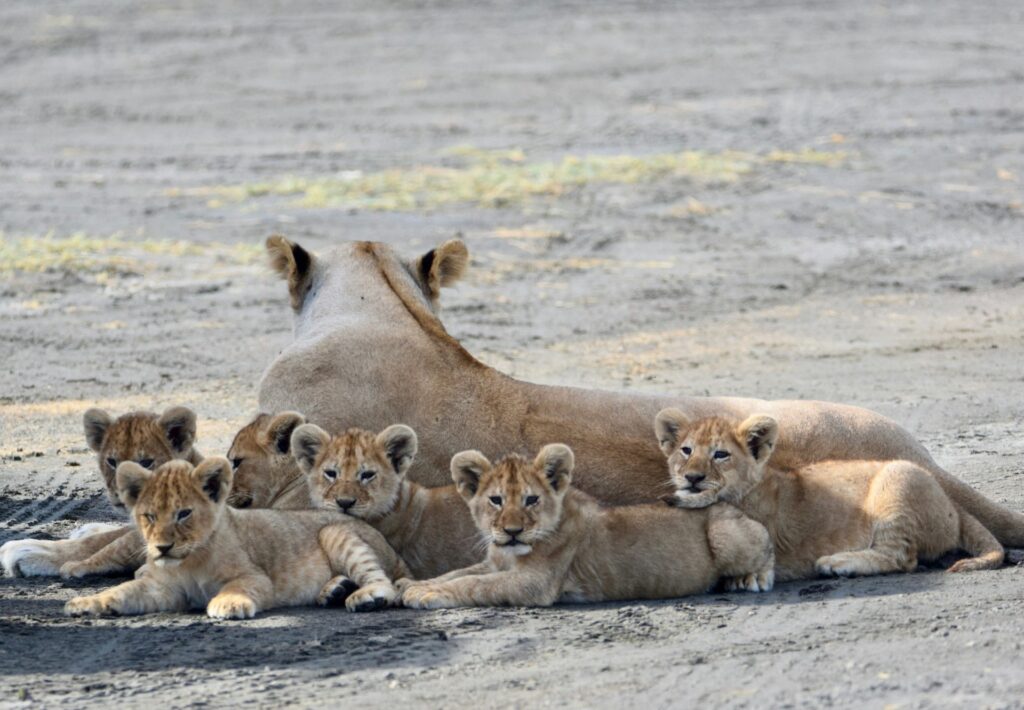
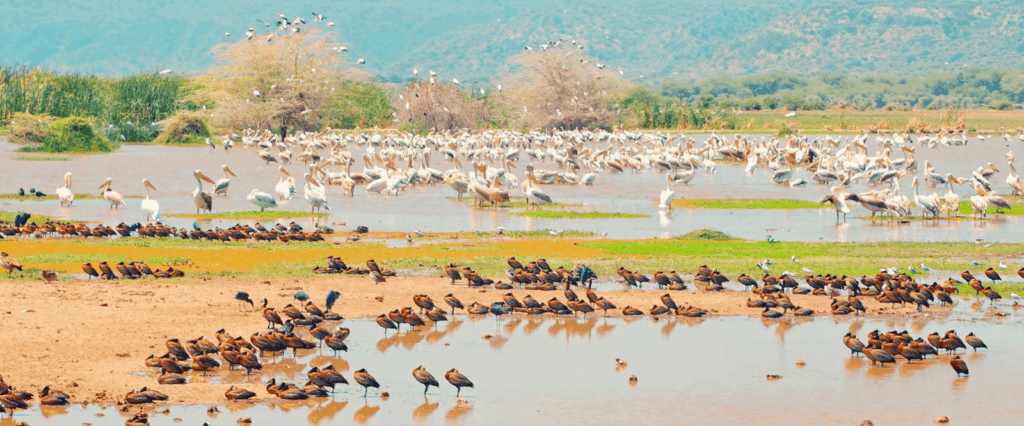
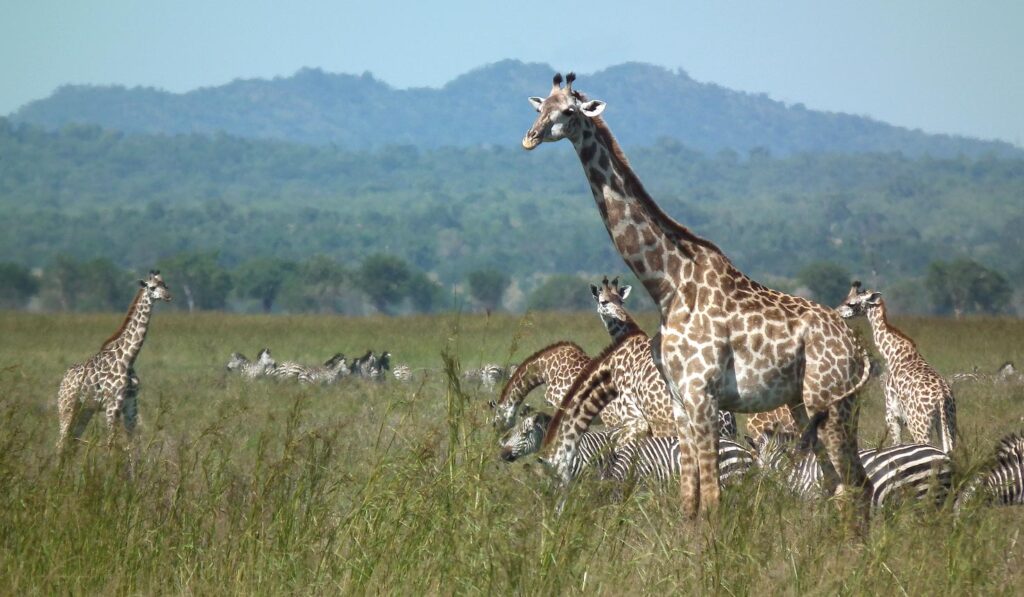
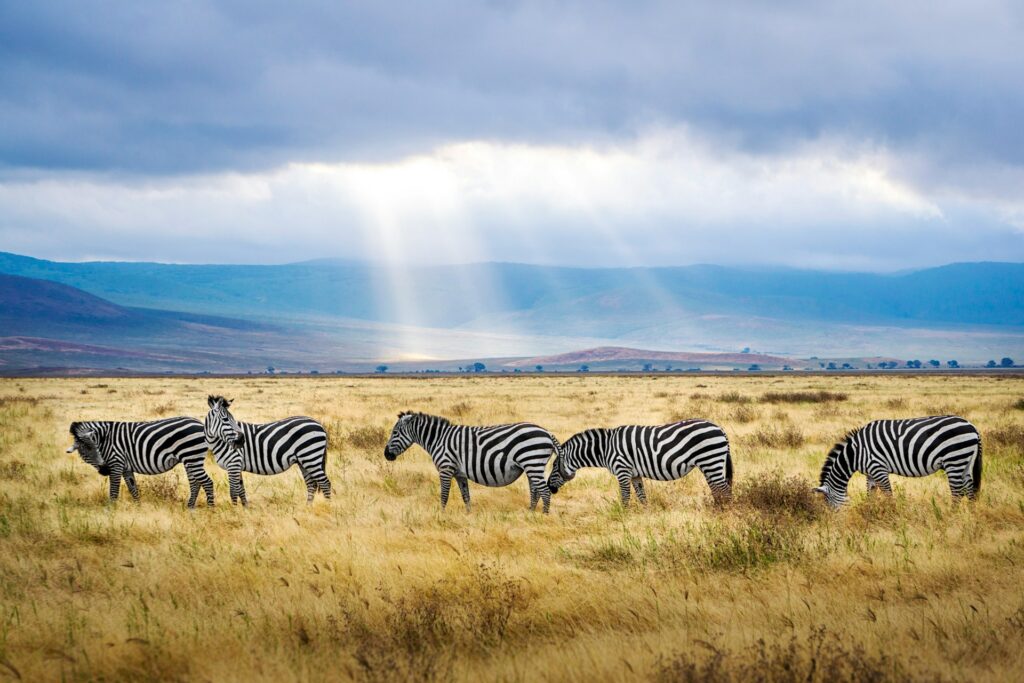

The Serengeti is renowned for its vast migration park, featuring endless plains that support the movement of over a million wildebeest across an expansive landscape. In contrast, the Ngorongoro Crater operates as a unique ecosystem, housing approximately 25,000 animals within a single volcanic caldera. This setup offers visitors a high likelihood of spotting the Big Five in a single day, streamlining the wildlife viewing experience. Additionally, Tarangire National Park addresses a different aspect of wildlife observation, showcasing large elephant herds—sometimes numbering up to 300—gathering around the Tarangire River during the dry season, all set against the backdrop of distinct baobab trees that thrive exclusively in this northern circuit region.
Most first-time itineraries combine all three. See how we typically sequence them →
January and February mark the onset of calving season in the southern Serengeti plains, particularly around Ndutu. During this time, an astonishing number of wildebeest calves are born in rapid succession, creating a spectacular scene that attracts various predators to the area. This surge of new life not only provides a critical survival moment for the calves but also presents thrilling opportunities for wildlife enthusiasts and photographers eager to capture the raw dynamics of nature.
As the migration progresses into June and July, the herds begin their journey through the Western Corridor, navigating the winding paths along the Grumeti River. This period is characterized by the lush landscape and more stable weather conditions, allowing for breathtaking views and exciting wildlife encounters as the animals traverse this part of their migration route.
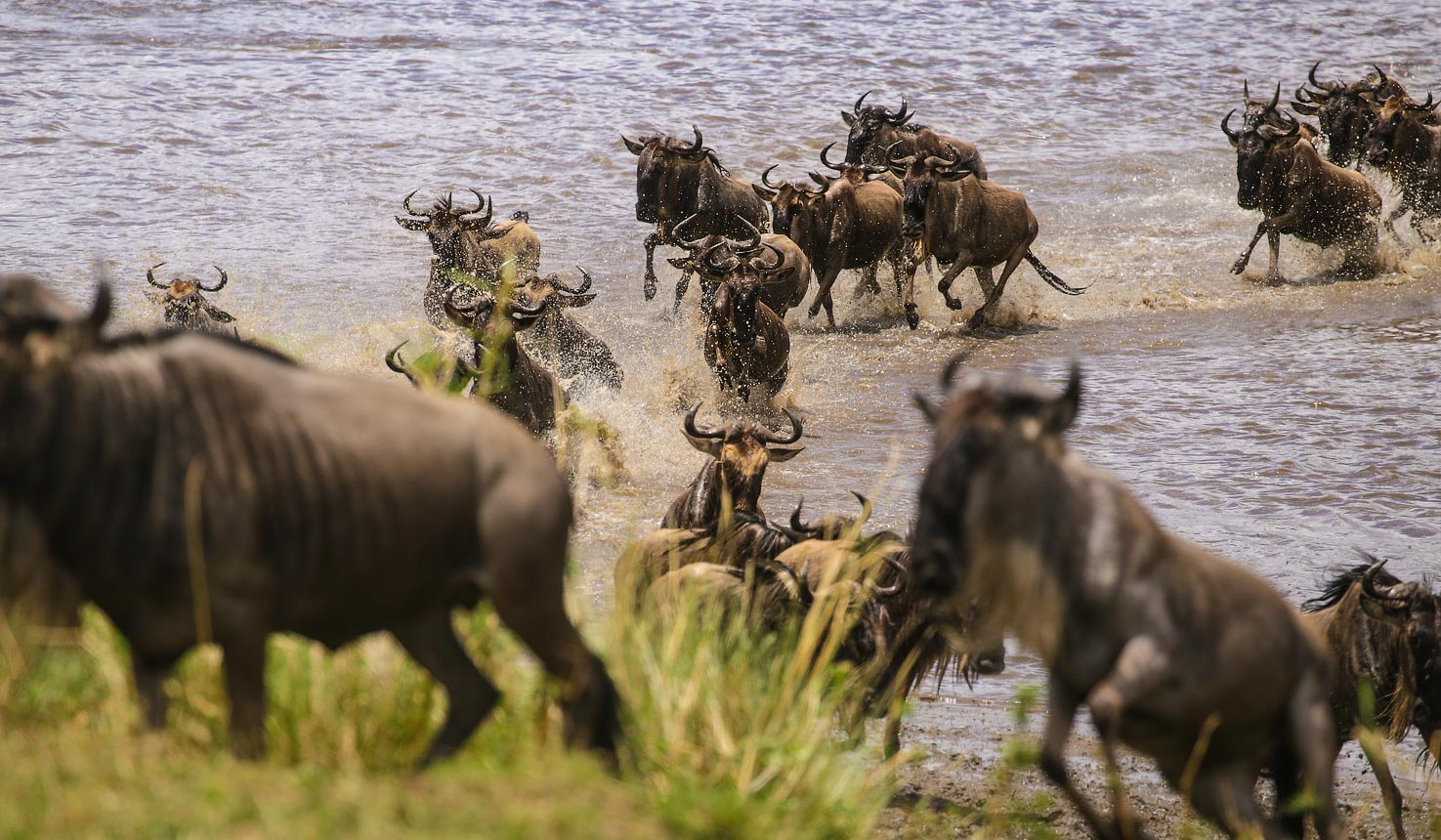
From August to October, the focus shifts northward as the herds arrive at the iconic Mara River to tackle one of the most challenging parts of their journey: the crossings. This dramatic spectacle, often hailed as the most photographed moment of the Great Migration, features thousands of wildebeest bravely leaping into the rushing waters, often pursued by waiting crocodiles and other predators. This period is undoubtedly the busiest for both wildlife and tourists, offering a captivating glimpse into the circle of life in one of the world’s most renowned ecosystems.
Each of these phases of the migration offers its own unique experiences and highlights. Therefore, when planning your visit, we take into account your interests and what you wish to witness, ensuring that your adventure aligns perfectly with the extraordinary events happening in the Serengeti.
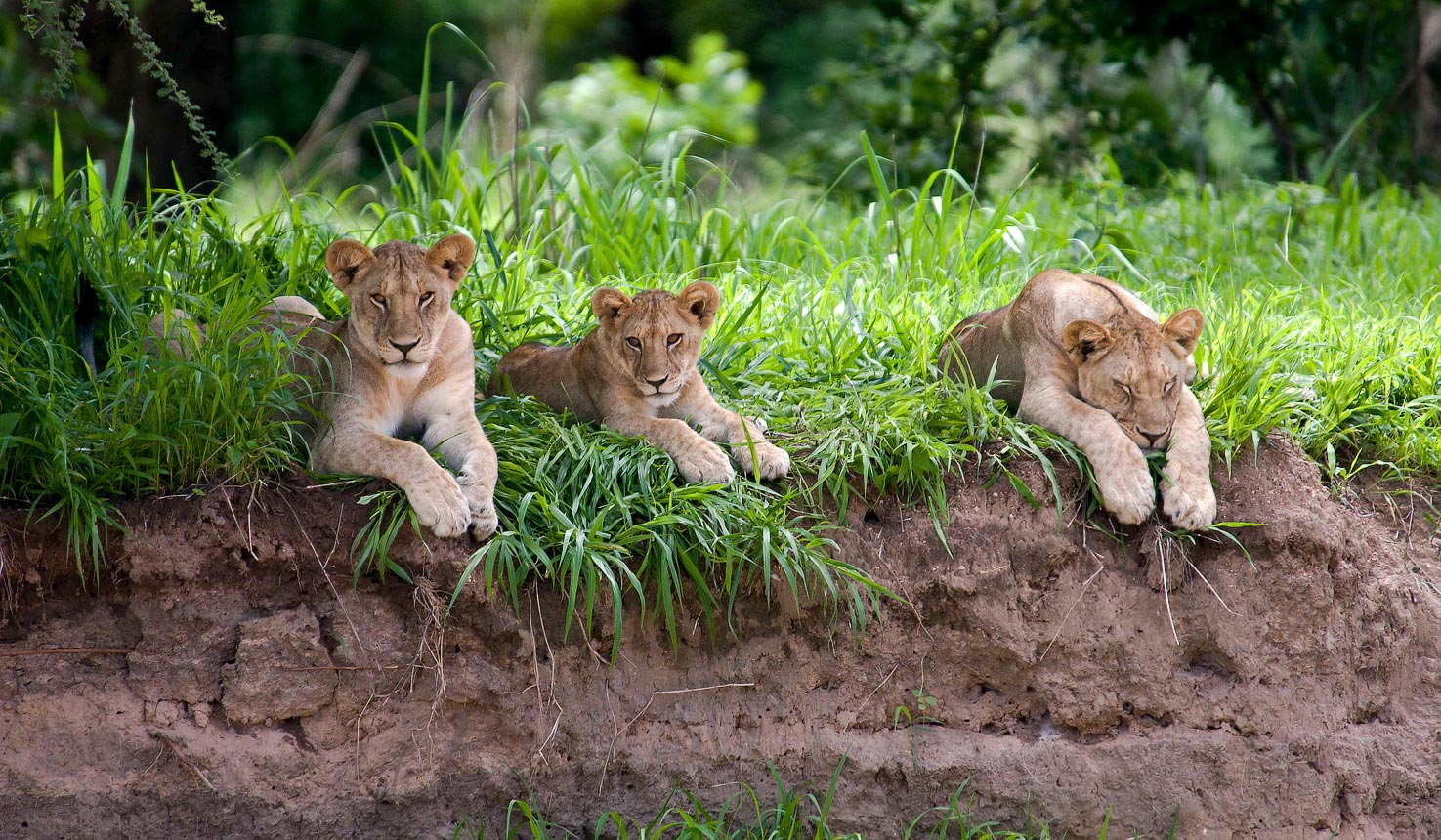
Ruaha National Park, the largest in Tanzania, is famous for its high wildlife density, including one of Africa’s largest lion populations and significant wild dog numbers. Unlike the busier northern circuit, Ruaha offers visitors a more intimate experience with nature due to lower vehicle traffic.
Further south, Katavi National Park is a hidden gem, ideal for those seeking solitude and adventure. Known for its impressive buffalo herds, Katavi’s expansive landscapes provide a stunning setting for wildlife observers and photographers.
Overall, Tanzania’s southern circuit offers a unique safari experience, emphasizing seclusion and rich biodiversity, far from the crowds of more popular tourist routes.
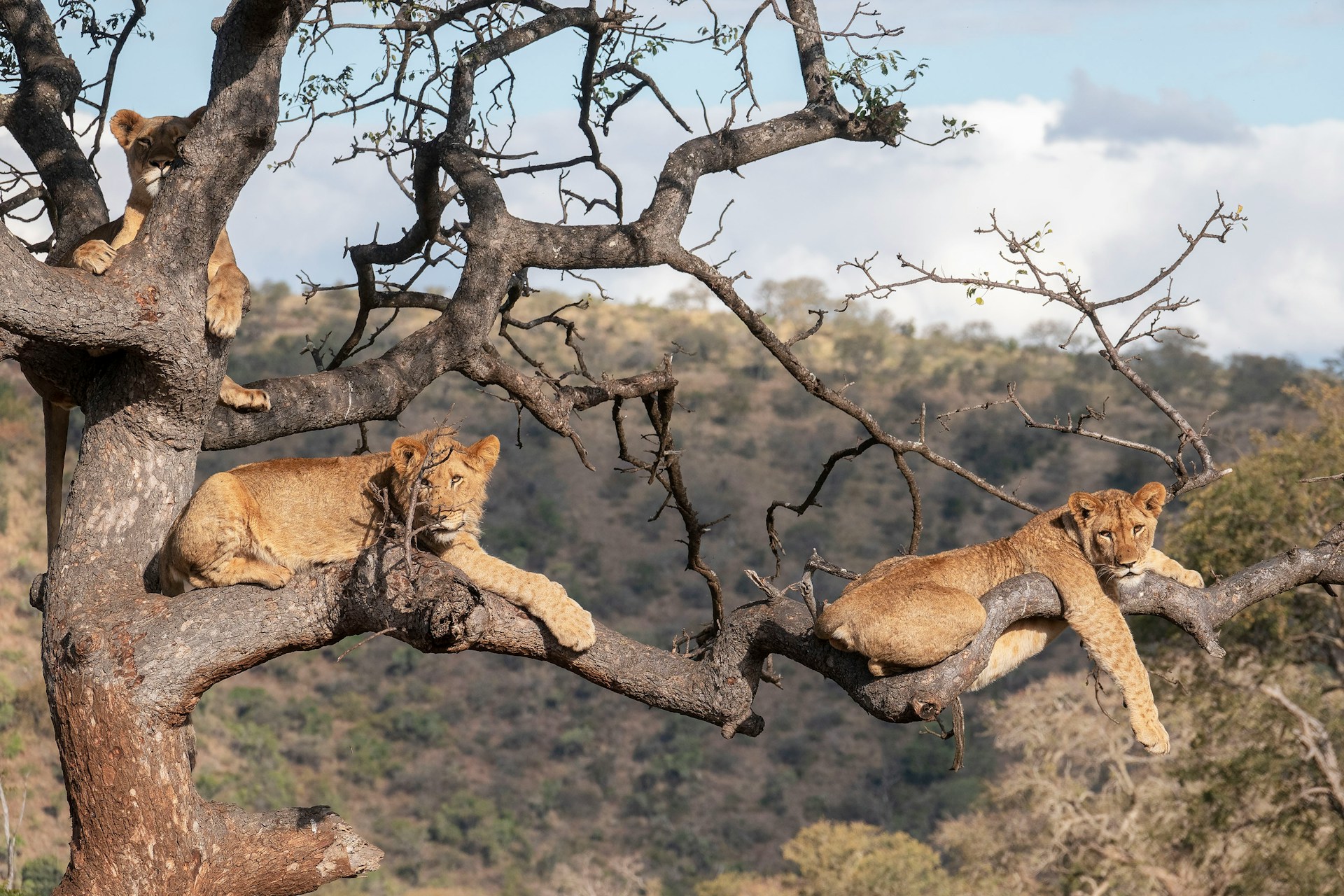
Lake Manyara features a unique ecosystem with a mix of a groundwater forest and alkaline lake shores, supporting a rare lion population known for climbing acacia trees—a true behavioral quirk rather than a tourist gimmick.
Just a short distance from Kilimanjaro International Airport, Arusha National Park is a small yet vibrant destination often overlooked by travelers. It offers incredible wildlife experiences, like playful colobus monkeys and colorful flamingos, making it ideal for a day trip before a more extensive safari.
Both Lake Manyara and Arusha National Park are excellent stops on a longer safari itinerary, providing unique encounters and stunning scenery that enrich the overall experience.
Arusha National Park is conveniently located just a 45-minute drive from Kilimanjaro International Airport, allowing you to immerse yourself in the wonders of nature nearly as soon as you arrive. This stunning park serves as a gateway to Tanzania’s renowned northern safari circuit, which includes the enchanting landscapes of Tarangire, the bird-rich shores of Lake Manyara, the breathtaking caldera of Ngorongoro, and the vast savannas of the Serengeti. Travel between these incredible destinations is easily accessible, with options for short scenic flights or a leisurely drive that usually takes between 2 and 4 hours on the road, or less than an hour by light aircraft, enabling you to make the most of your safari adventure.
That means a well-paced week to ten days can realistically cover four genuinely different ecosystems. Talk to us about how to sequence it →
Not researched from a desk. George Nchau's team has driven each of these parks and can tell you what a listing can't.
Every park visit we arrange uses your own vehicle and guide, at your own pace, not a fixed group schedule.
Ruaha and Katavi don't get the marketing budget the northern circuit does. We recommend them anyway when they're the right call.
That access means better timing and more current information than a static guide can offer.
Tell us which parks interest you most and how much time you have. We will tell you which combination actually works, and build a private itinerary around it.
Tell us which parks you want to see and when you can travel. We reply within 24 hours with a private itinerary built around it
Holiday offer · until 30 November
Selected private safaris from 8 to 21 days across Kenya and Tanzania. Book by 30 November and travel whenever you like.
$200 Discount on the total booking. Valid on bookings confirmed by 30 November 2026, for any travel date.