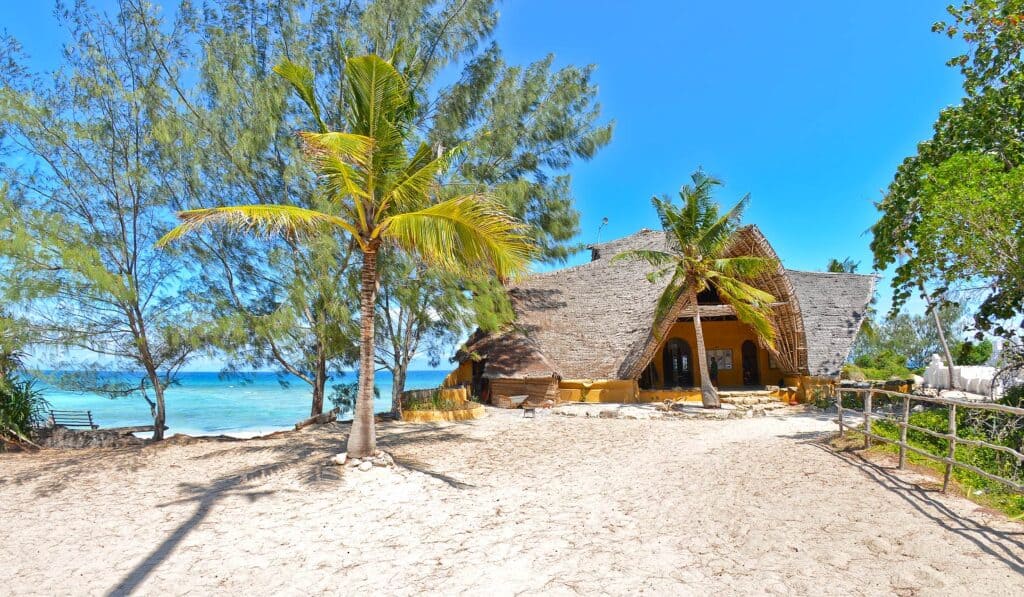
Chumbe Island Coral Park
$ 232/ night
Chumbe Island Coral Park is one of the most state-of-the-art, eco-friendly lodges in East Africa and a diver's paradise. Situated in a Marine Protected


Tanzania · East Africa
Tanzania's genuinely certified eco-lodges, verified by a team that has stayed in every one of them.




Tanzania’s vibrant safari industry generates approximately $4 billion annually, yet a staggering reality remains: less than 10% of that wealth trickles down to the local communities that coexist with these breathtaking parks. This disparity highlights the fact that truly sustainable lodges are the exception rather than the norm. These exceptional lodges operate on carefully crafted community land-lease agreements and innovative revenue-sharing models, ensuring that the funds generated from tourism are directed straight to the local people whose land serves as the canvas for these extraordinary experiences.
We exclusively endorse accommodations that can proudly identify their certifying bodies—be it Responsible Tourism Tanzania or Travelife—rather than relying on vague assertions of adhering to “best practices.” Below, you will find a detailed overview of each lodge, including their specific contributions to sustainability, the costs of staying there, and a transparent breakdown of where the money ultimately goes. This approach ensures that tourism genuinely benefits the communities at the heart of Tanzania’s stunning landscapes.
Explore our full portfolio of sustainably certified lodges and camps.
10 lodges in this collection
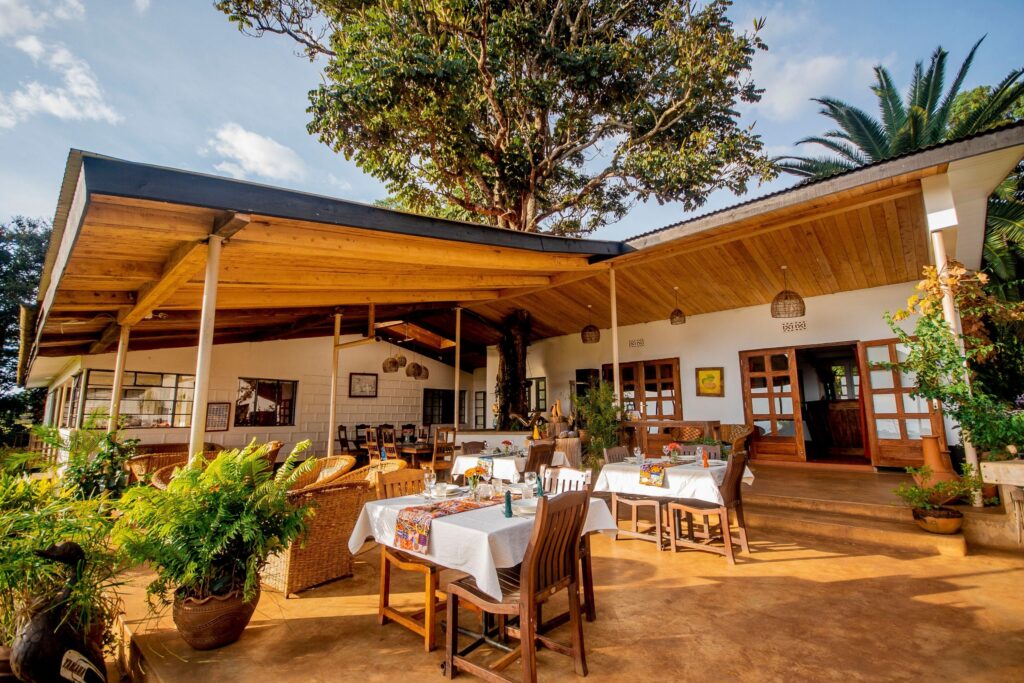
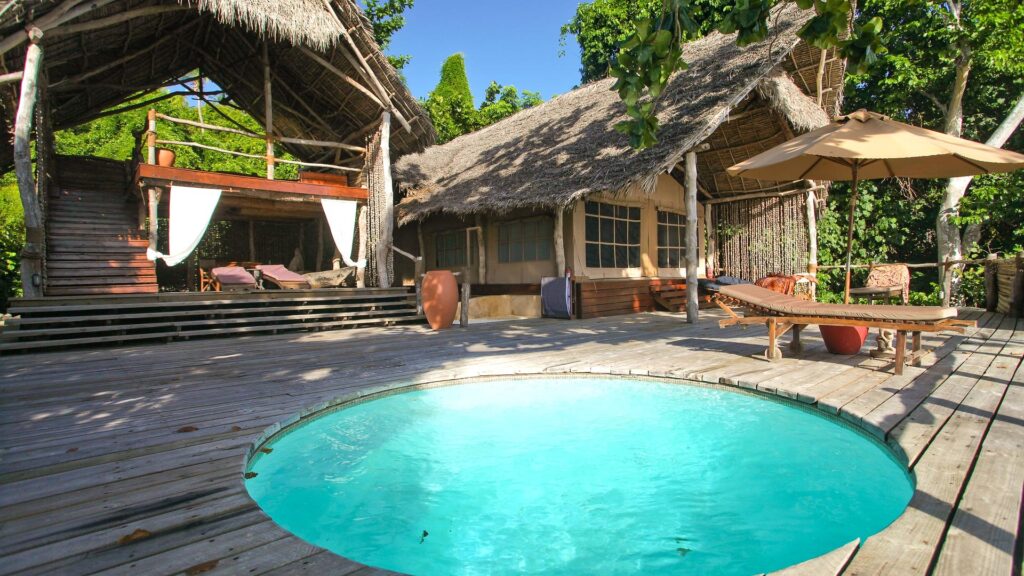
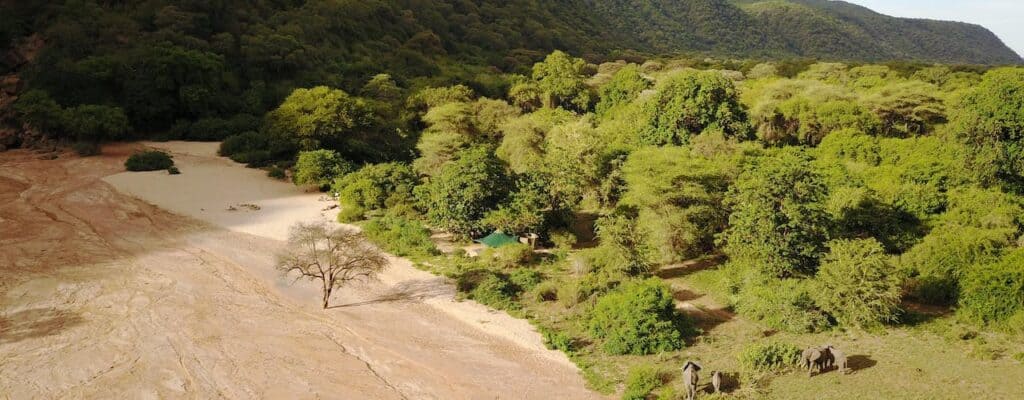
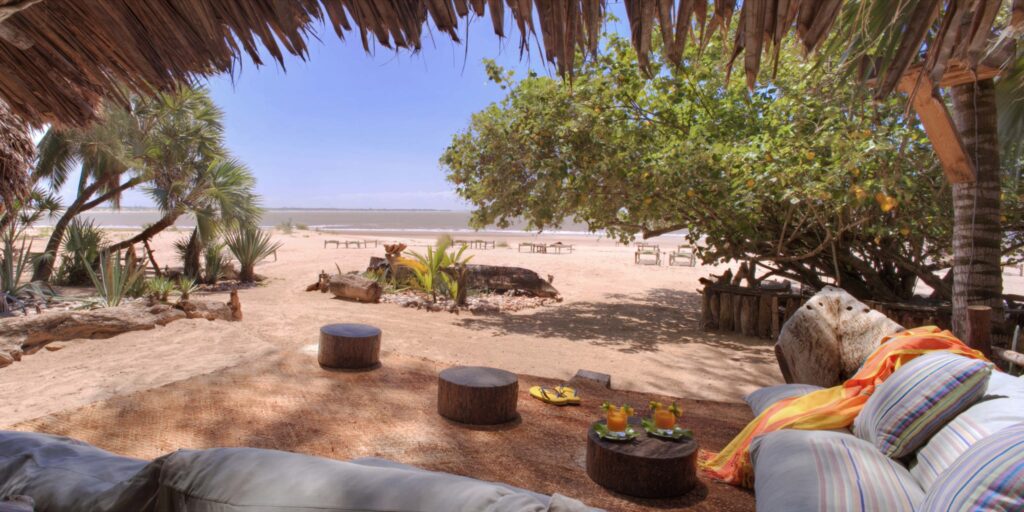
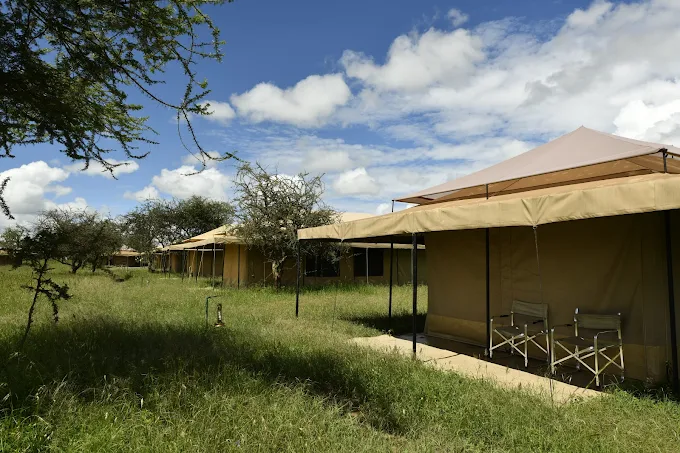
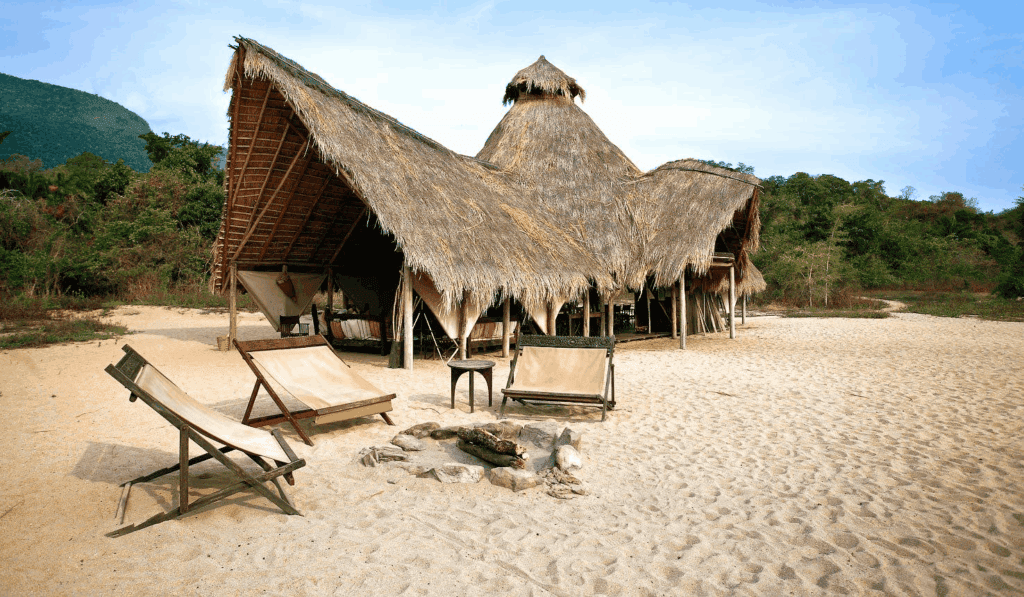
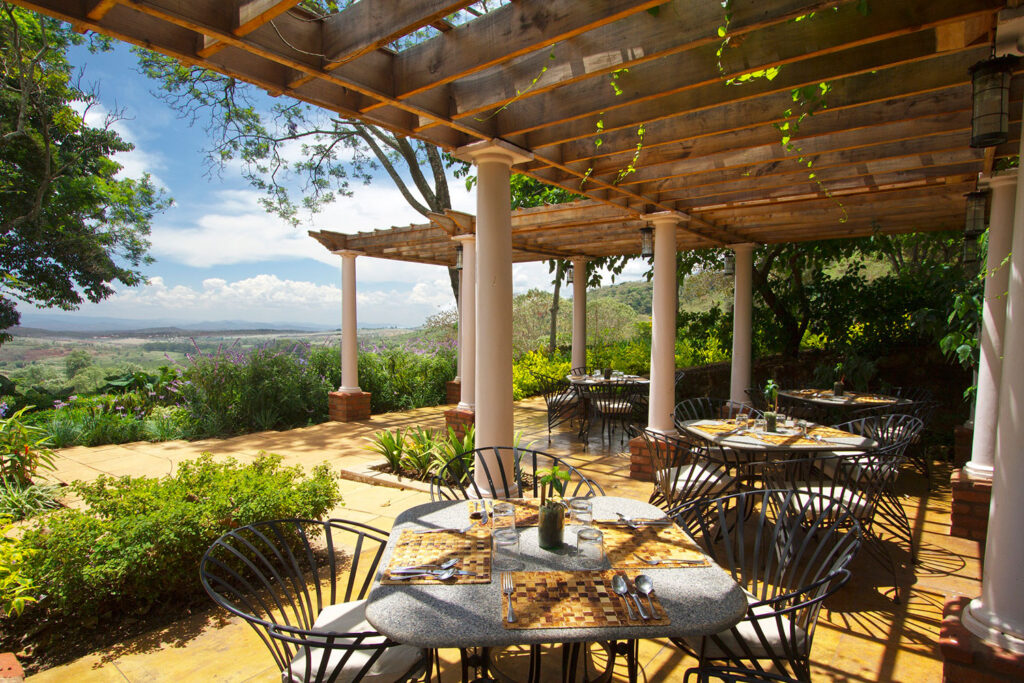
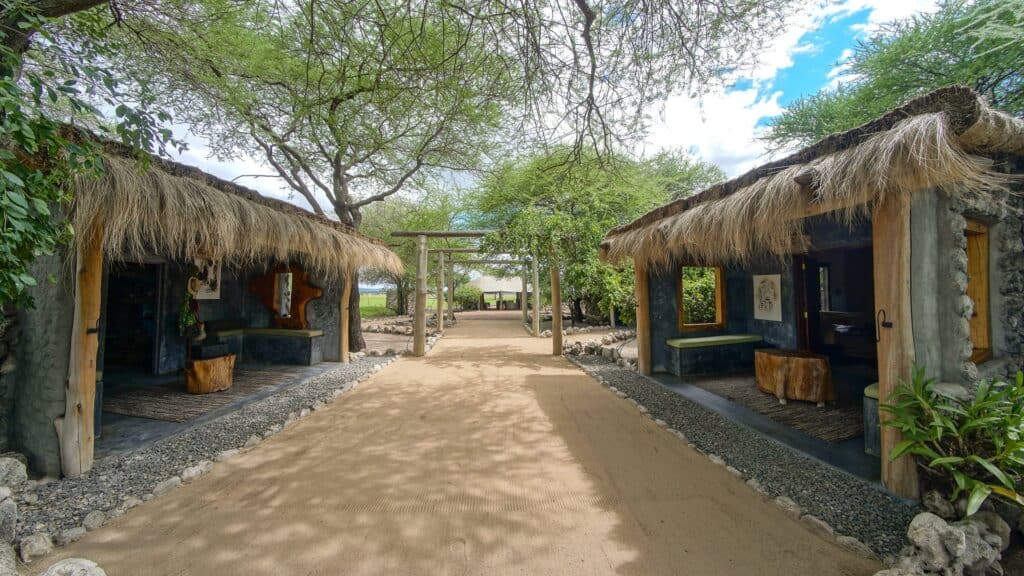
It is essential for lodges that claim to be environmentally friendly to transparently identify their third-party certifier, community land partner, and specific contributions to conservation efforts. If a lodge is unable to provide this information, it is likely using the term “eco” more as marketing language than as a genuine commitment.
In Tanzania, Responsible Tourism Tanzania (RTTZ) serves as the national accreditation body, adhering to the international standards set by the Global Sustainable Tourism Council. Additionally, Travelife is another reputable certification standard recognized in the region.
Before a lodge is included on our recommended list, we ensure it has one of these certifications. We also provide detailed information about which specific certification each property holds, rather than simply labeling them as “eco-friendly.” This approach promotes greater transparency and accountability in sustainable tourism.
Tanzania’s certified eco-lodges are predominantly found in the northern circuit, which includes iconic regions such as the Serengeti, Ngorongoro Crater, and Tarangire National Park. This area boasts established infrastructure and shorter transfer times, making it more feasible to operate sustainable tourism initiatives on a larger scale. The abundance of lodges and tour operators in the north facilitates a variety of eco-friendly accommodations, each committed to minimising their environmental impact while providing unforgettable wildlife experiences.
In contrast, the southern circuit encompasses Ruaha National Park and Nyerere National Park (formerly known as Selous), which features a more limited selection of genuinely community-run camps. These camps often operate under long-standing land-lease agreements that foster local engagement and support. Visitors to this region are likely to encounter fewer vehicles per sighting, allowing for a more intimate and less crowded wildlife viewing experience. The south demands a greater investment of time and travel, often requiring flights to reach the more remote lodges, but in return, it offers an environment that is significantly quieter and less commercialised.
Ultimately, neither the northern nor the southern circuit can be deemed superior to the other; rather, each presents its own unique advantages. The northern circuit is ideal for travellers seeking more convenient itineraries with access to a variety of well-known wildlife spectacles. Meanwhile, the southern circuit appeals to those willing to venture farther off the beaten path for a serene and immersive experience within nature. Each region has its own distinctive allure, catering to diverse preferences among adventure seekers and nature enthusiasts alike.
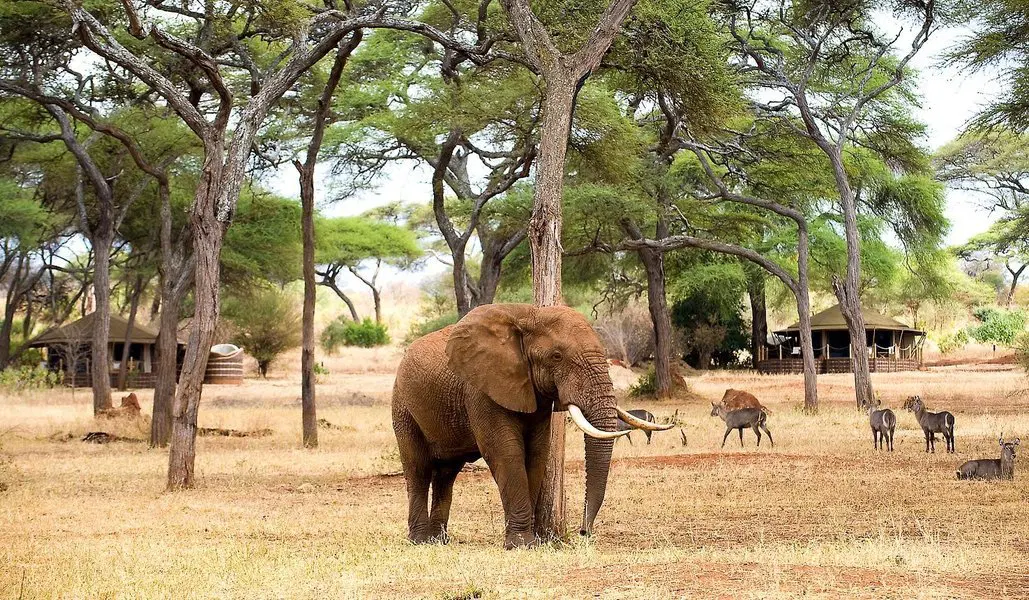
Camps located within a national park must adhere to specific government regulations, with all park fees being collected and managed by Tanzania’s centralized tourism authority. This system ensures that the national park can maintain its standards and conservation efforts but does not necessarily channel funds directly to local communities that surround the park.
In contrast, camps situated on community-owned conservancy land adjacent to a national park operate under a different financial model. Here, land-lease payments and revenue-sharing agreements are directly allocated to the Maasai and other local landowners. This arrangement allows for a more immediate economic benefit to the local communities, enabling them to fund essential services such as education, healthcare, and conservation initiatives that often go unsupported by a centralized fee structure. This approach not only assists in keeping the community engaged in conservation but also empowers them economically.
When we recommend lodges to our clients, we make it a priority to inquire about the percentage of their revenue that is allocated to the local community. We also emphasize the importance of transparency by asking whether this information is publicly available. Vague responses or reluctance to provide clear figures typically indicate a lack of genuine commitment to supporting local communities, which serves as a red flag for us to consider alternative options.
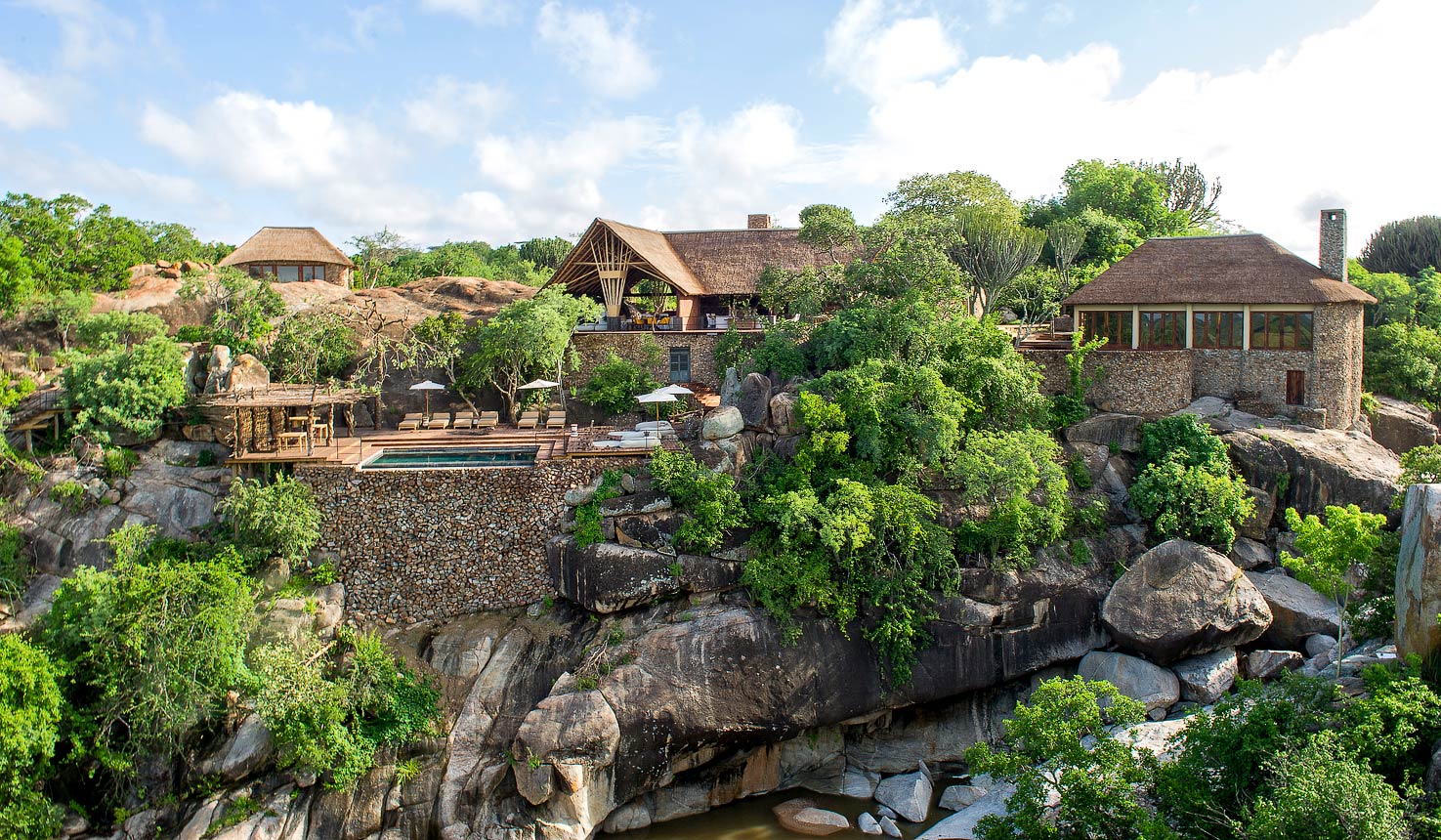
Responsible Tourism Tanzania offers a comprehensive certification program for properties, categorising them into four progressive levels. Each level represents a deeper commitment to environmental, social, and economic standards. The entry-level certification indicates that a lodge is actively working towards enhancing its sustainability practices; it’s not a sign of failure but rather an important step in a genuine journey of improvement. In contrast, lodges at the top tier have undergone rigorous independent verification, meeting the highest industry standards for responsible tourism.
When we recommend a property, we provide details about its certification level. This information is insightful and goes beyond the simple label of “eco,” allowing travelers to make more informed choices about their accommodations and their impact on the environment and local communities.
In Tanzania, genuinely sustainable camps often come with a price tag that is 20 to 40% higher than their mid-range lodge counterparts. This difference in cost is not simply a profit-driven markup; it represents the authentic expenses involved in maintaining a sustainable operation. For instance, these camps invest in community land-lease payments that support local populations, ensuring that the benefits of tourism are shared. Additionally, they prioritize fair wages for their staff, which contributes to the well-being of the community.
To further bolster their commitment to sustainability, these camps integrate renewable energy systems that reduce their carbon footprint and reliance on non-renewable sources. Furthermore, the design of these camps often means fewer guest accommodations, leading to a lower occupancy rate. While this results in a higher cost per bed, it significantly lessens the environmental impact, allowing for a more serene and immersive experience with nature.
By opting for a stay at these sustainable camps, guests are not just paying for a more comfortable room; they are actively funding specific, traceable initiatives that benefit both the environment and the local community. This ensures that their travel dollars contribute to a more sustainable and responsible tourism model.
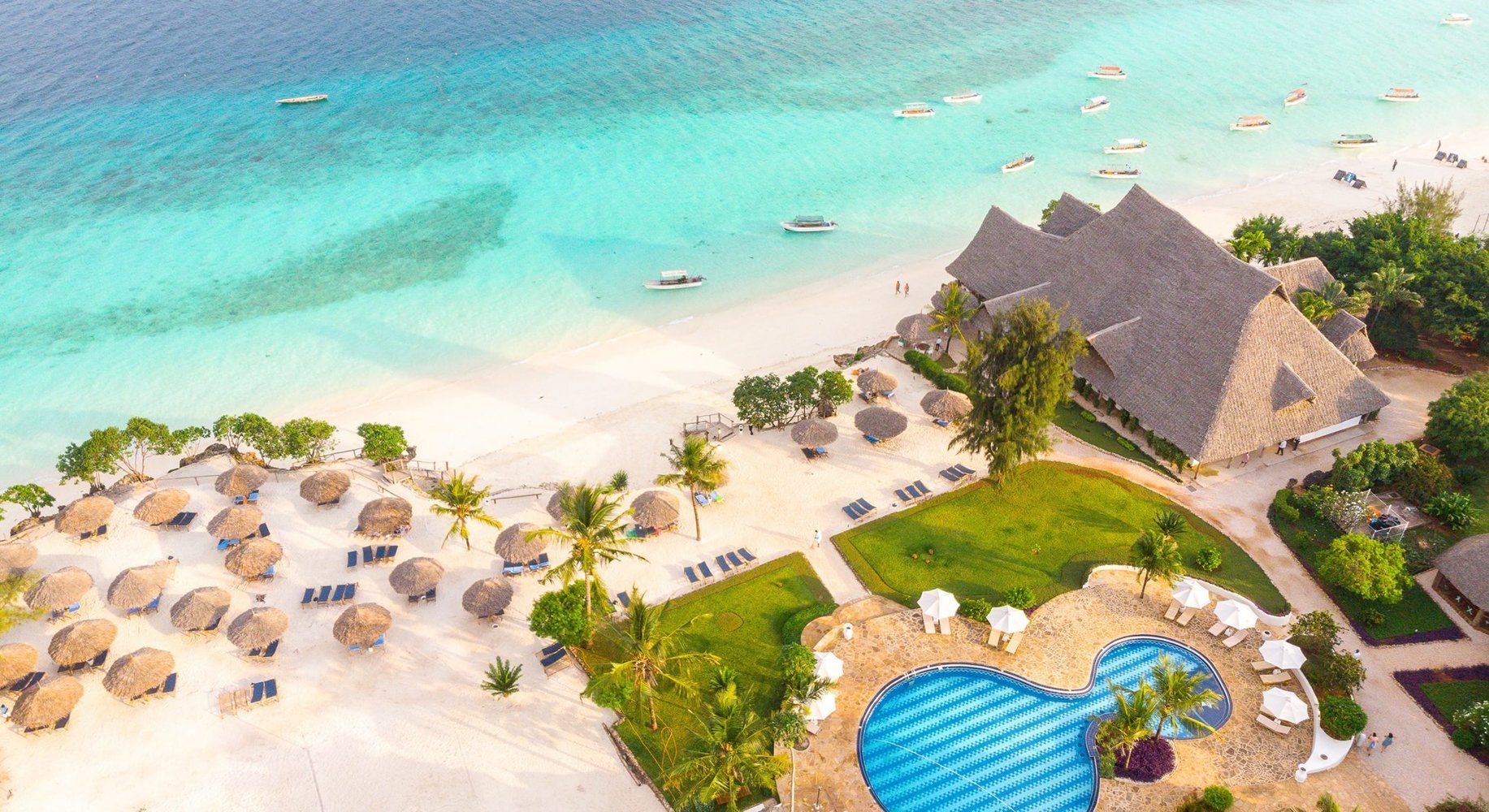
Zanzibar and Pemba are home to some of the most authentically rigorous eco-certified properties in Tanzania, showcasing a commitment to sustainable tourism. One standout example is Chumbe Island Coral Park, a unique blend of a marine park and an eco-lodge. This remarkable destination has gained international recognition for its innovative approach to marine conservation, serving as a model for community-led efforts.
At Chumbe Island, guest fees directly contribute to vital coral reef protection initiatives, effectively linking tourism revenue to environmental stewardship. This comprehensive funding model ensures that visitors not only enjoy the stunning natural beauty and biodiversity of the area but also play an active role in its conservation. Instead of viewing sustainability as a secondary goal, Chumbe Island seamlessly integrates it into the core of its operations, making it a leading example of responsible and impactful eco-tourism.
A stay here pairs naturally with a mainland safari, active days tracking wildlife, then a genuinely low-impact finish on the coast. See how these lodges fit into a full Tanzania itinerary →
This isn't a standard we apply to others from the outside.
George Nchau's team has visited these properties in person, not just reviewed their sustainability reports.
Community revenue-share percentage, published or not, is part of how we vet every property.
That access means better rates and more current availability than a booking platform can offer.
Tell us your budget and what matters most to you, whether that's community revenue-share, marine conservation, or simply verified certification. We will match you to lodges that genuinely qualify.
Tell us which lodges you're considering and when you'd like to travel. We reply within 24 hours with a private itinerary built around it.
Holiday offer · until 30 November
Selected private safaris from 8 to 21 days across Kenya and Tanzania. Book by 30 November and travel whenever you like.
$200 Discount on the total booking. Valid on bookings confirmed by 30 November 2026, for any travel date.