$ 52 Entry
Aberdare National Park
Nyeri County
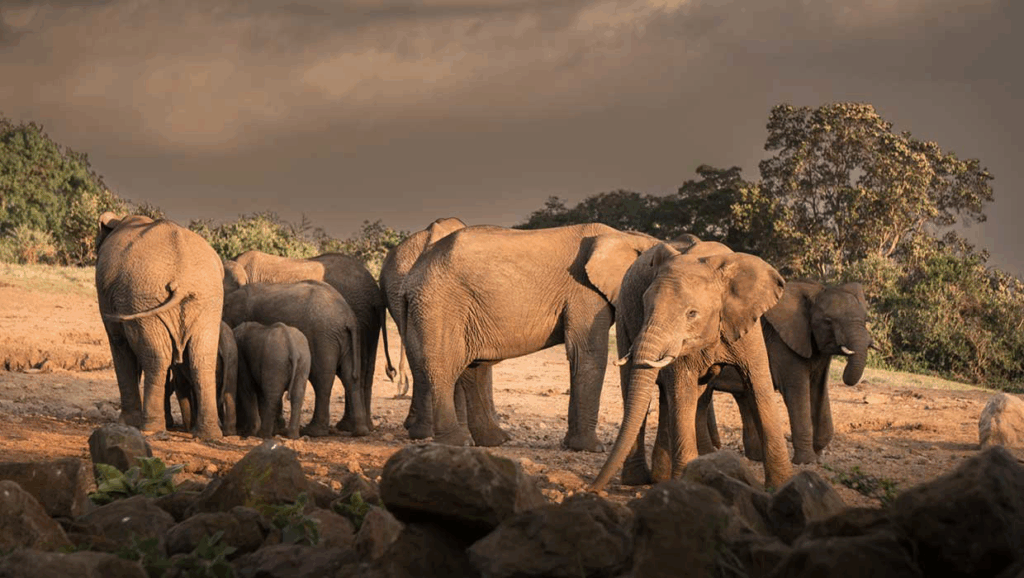
Aberdare National Park offers more than a traditional safari, drawing nature lovers with its vast elephant herds, black rhinos, and...
Discover Park

Kenya · East Africa
All 23 national parks, reserves and conservancies in Kenya, mapped and explained by a team that has been to every one of them.




Kenya is renowned for its commitment to wildlife conservation, allocating approximately 8% of its landmass to protected areas. This vast expanse includes 23 national parks, as well as numerous reserves, conservancies, and marine parks, making it a premier destination for wildlife enthusiasts. The diversity of these protected areas means that there isn’t a singular “best national park” for every visitor; instead, each park offers unique experiences tailored to different interests.
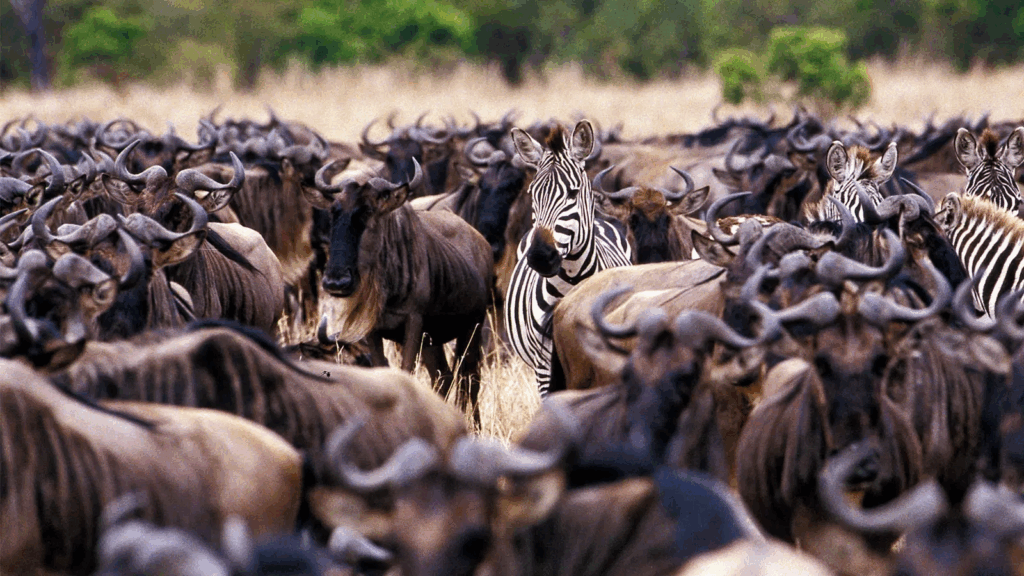
For those embarking on their first safari, the Maasai Mara is an ideal choice, especially famous for its dramatic Great Migration, where millions of wildebeest and other animals traverse the plains. This annual spectacle typically occurs between July and October and provides spectacular viewing opportunities.
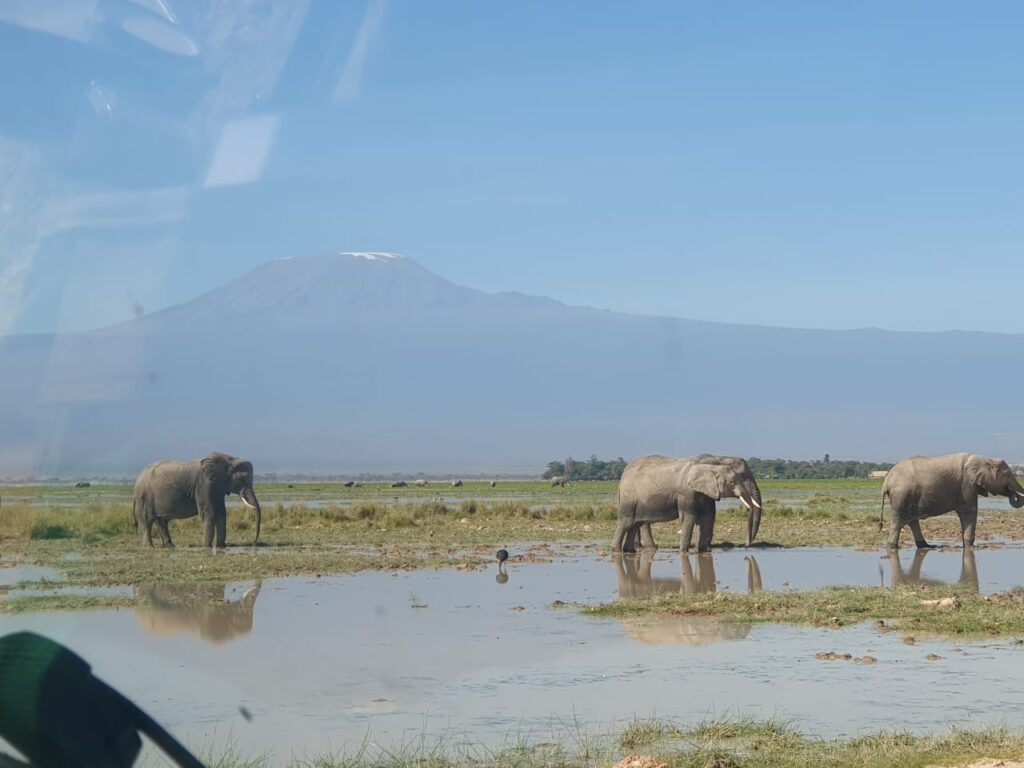
Alternatively, Amboseli National Park is perfect for those yearning to see elephants in their natural habitat, set against the breathtaking backdrop of Mount Kilimanjaro. The park’s striking landscapes and abundant wildlife make it a favorite for photographers and nature lovers alike.
Samburu National Reserve, on the other hand, offers a more off-the-beaten-path experience. Known for its unique wildlife species, such as the reticulated giraffe and Grevy’s zebra, Samburu is particularly appealing to seasoned travelers who have explored the more popular parks and are looking for something distinct and less crowded.
We have personally driven through each of these parks, allowing us to offer firsthand insights, not just theoretical knowledge. Below, you’ll find details on what each park has to offer, including entry fees and the best times to visit. This information will help you make informed comparisons as you plan your safari itinerary.
Explore our full portfolio of parks, reserves and conservancies.
11 parks in this collection
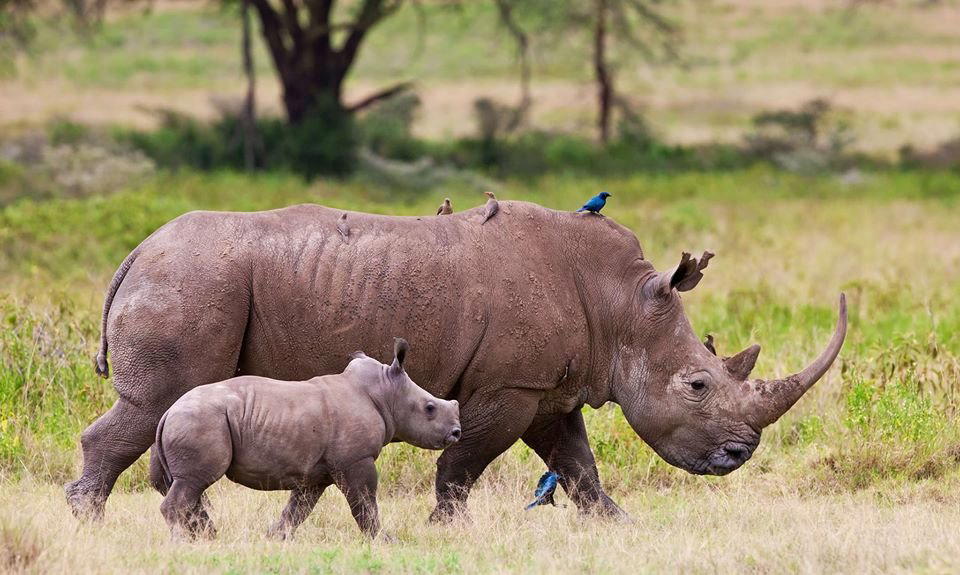
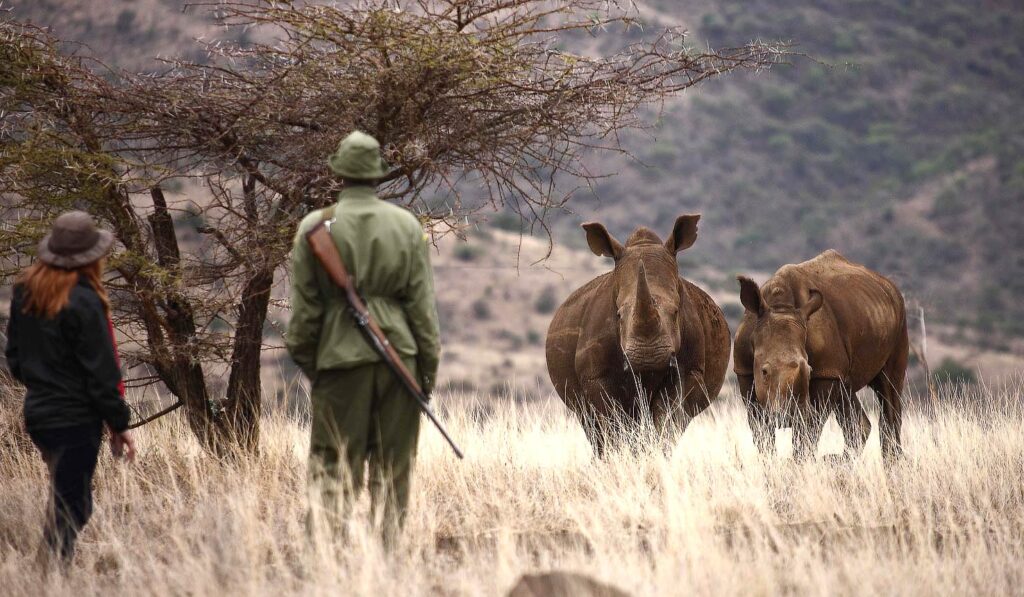
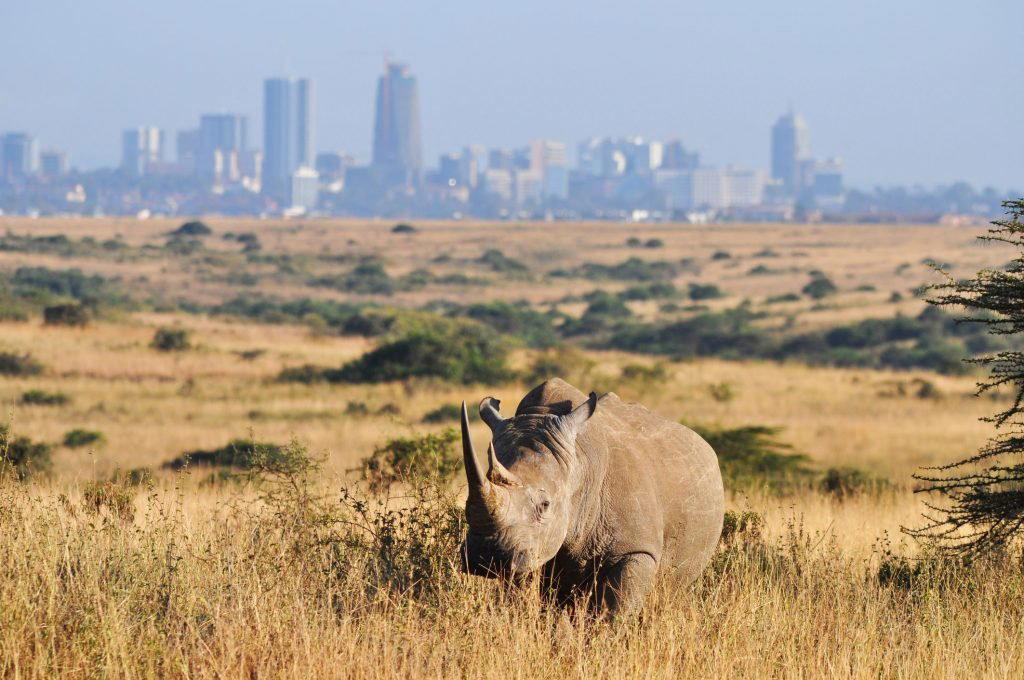
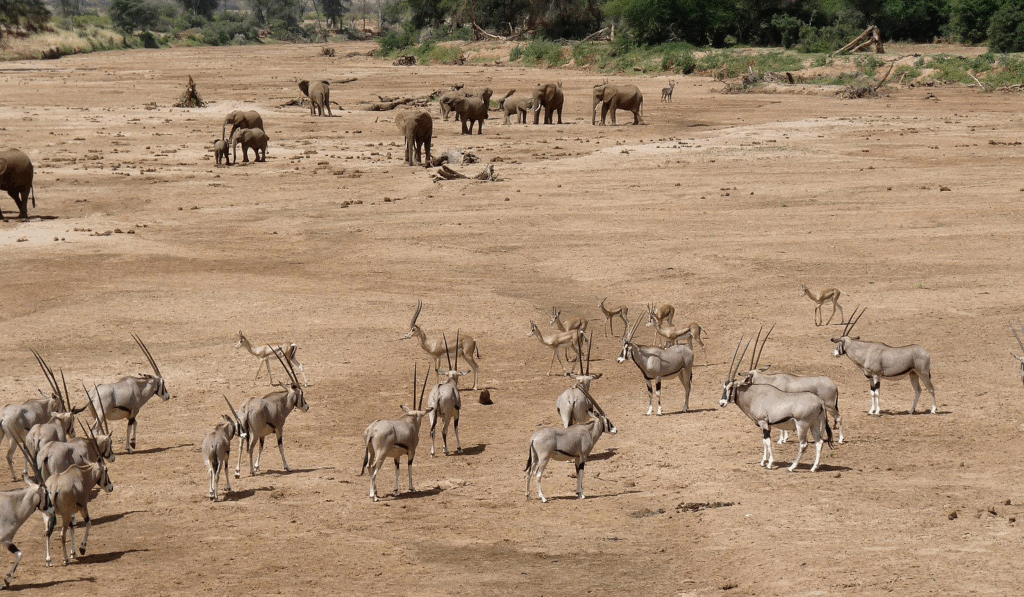
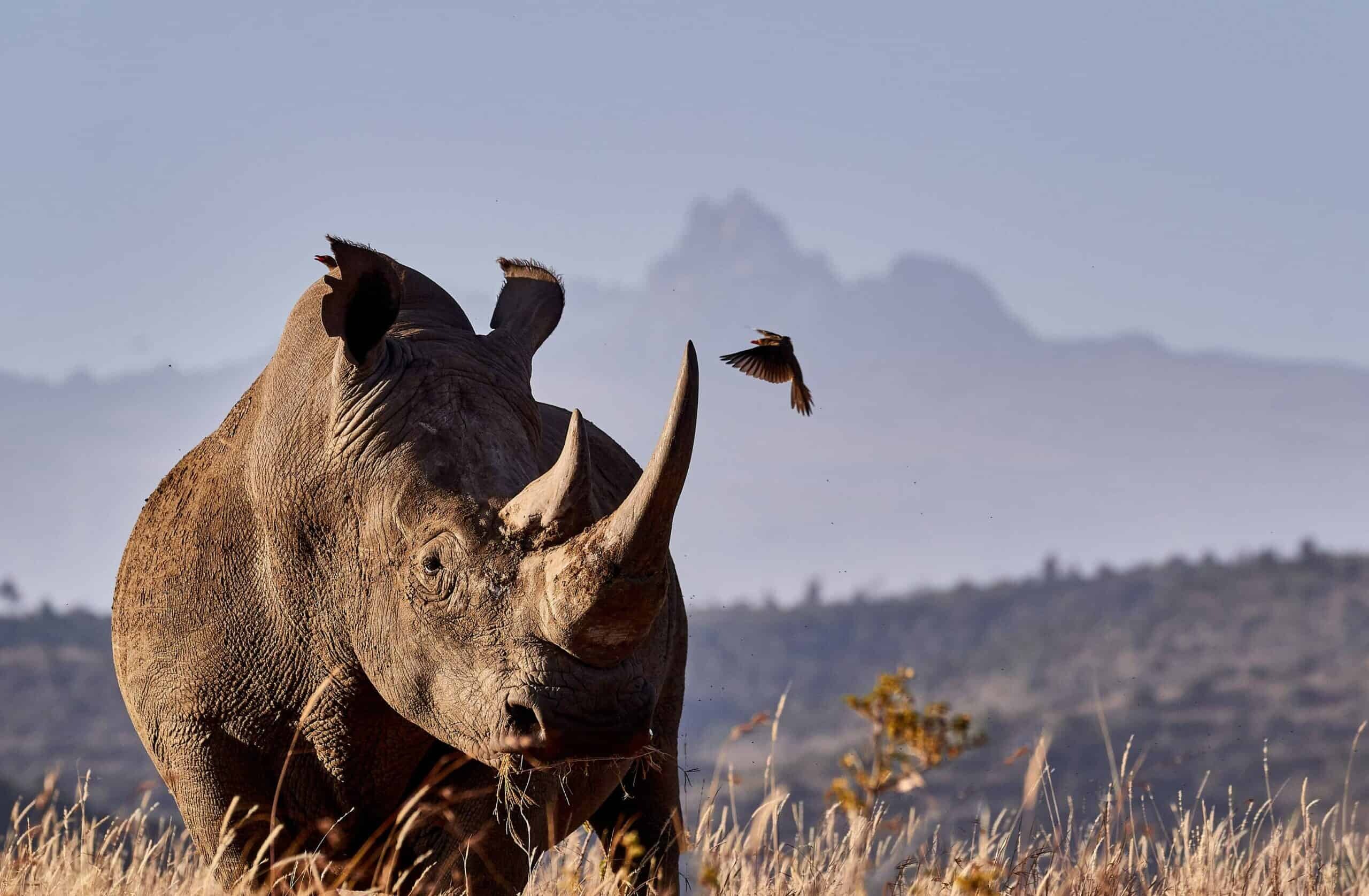
The Maasai Mara, Amboseli, and Tsavo are renowned for hosting the richest diversity of Kenya’s iconic wildlife, including lion, elephant, leopard, buffalo, and rhino. Each of these remarkable parks showcases these majestic creatures in unique and captivating ways.
In the Maasai Mara, the vast open grasslands provide a stunning canvas where predators can be easily spotted as they prowl for prey under the expansive African sky. The scene is alive with the thrill of the hunt, offering visitors breathtaking views of nature’s drama unfolding.
Amboseli, on the other hand, is a picturesque sanctuary where sprawling wetlands serve as a magnet for large herds of elephants. These gentle giants can often be seen wandering against the backdrop of the magnificent Mount Kilimanjaro, creating one of the most iconic and breathtaking vistas in the world.
Tsavo, the largest protected ecosystem in Kenya, offers a different kind of experience. Its immense size ensures that wildlife sightings are relatively exclusive, with fewer vehicles on the roads, allowing for a more tranquil and intimate connection with the environment.
If the Big Five is the priority, we typically build an itinerary combining two of these three rather than trying to fit all of them into one trip. See how we structure a Big Five safari →
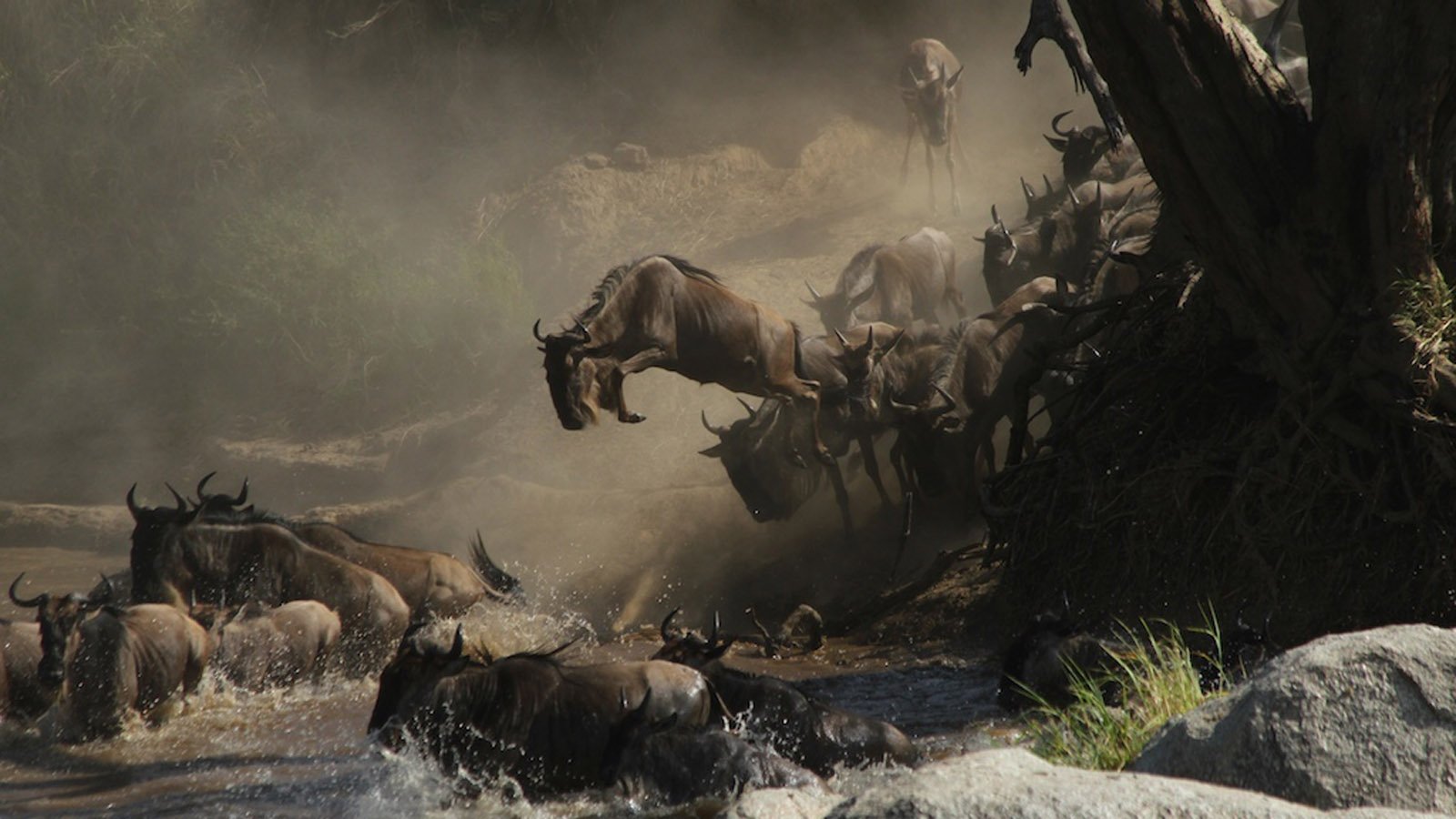
The Great Migration is a dynamic and ongoing spectacle that unfolds throughout the year, peaking in the Maasai Mara between July and October. During this exhilarating period, over a million wildebeest embark on a treacherous journey, dramatically crossing the Mara River in search of fresh grazing grounds. This season marks the park’s most vibrant and bustling time, attracting countless travellers eager to witness this natural phenomenon; however, it also brings higher costs and larger crowds.
Conversely, during the off-peak migration season, the Maasai Mara still offers remarkable wildlife experiences. Visitors can revel in the thrill of spotting the formidable Big Five—lions, leopards, elephants, buffaloes, and rhinoceroses—while enjoying a more serene atmosphere with fewer vehicles competing for the same view. Our approach is tailored to your specific interests, ensuring that your adventure focuses on the wildlife experiences that truly captivate you, beyond just the well-known migration event.
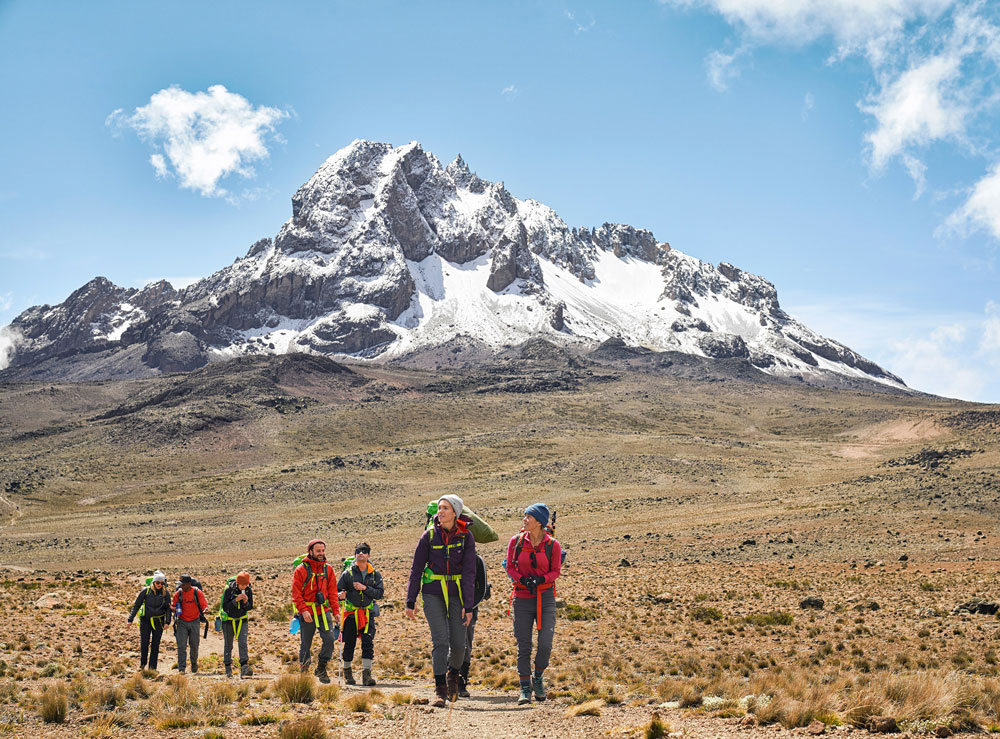
The vast, open plains of Amboseli National Park lie in the shadow of Mount Kilimanjaro, which boasts a stunning, permanent snow cap that creates a striking contrast to the surrounding landscape. This region is famous for its wide vistas and diverse wildlife, including large herds of elephants that roam freely against the backdrop of the majestic mountain.
Traveling southeast, one encounters Tsavo National Park, characterized by its unique red volcanic soil and ancient lava flows. The rugged terrain and arid environment here evoke a landscape that feels almost otherworldly, reminiscent of Mars rather than a typical savannah.
Further north, the experience shifts again in the regions of Samburu and Laikipia, where the landscape transforms into a semi-arid expanse. The rocky formations and scattered acacia woodlands in this area provide a habitat for an array of wildlife that is distinct from the southern parks.
This remarkable variety of ecosystems means that a two-week itinerary in Kenya can showcase three or four truly different landscapes, allowing travelers to immerse themselves in the rich biodiversity and unique geographical features without ever crossing the borders of this vibrant country. Each region offers its own distinct charm, promising unforgettable wildlife encounters and breathtaking views at every turn.
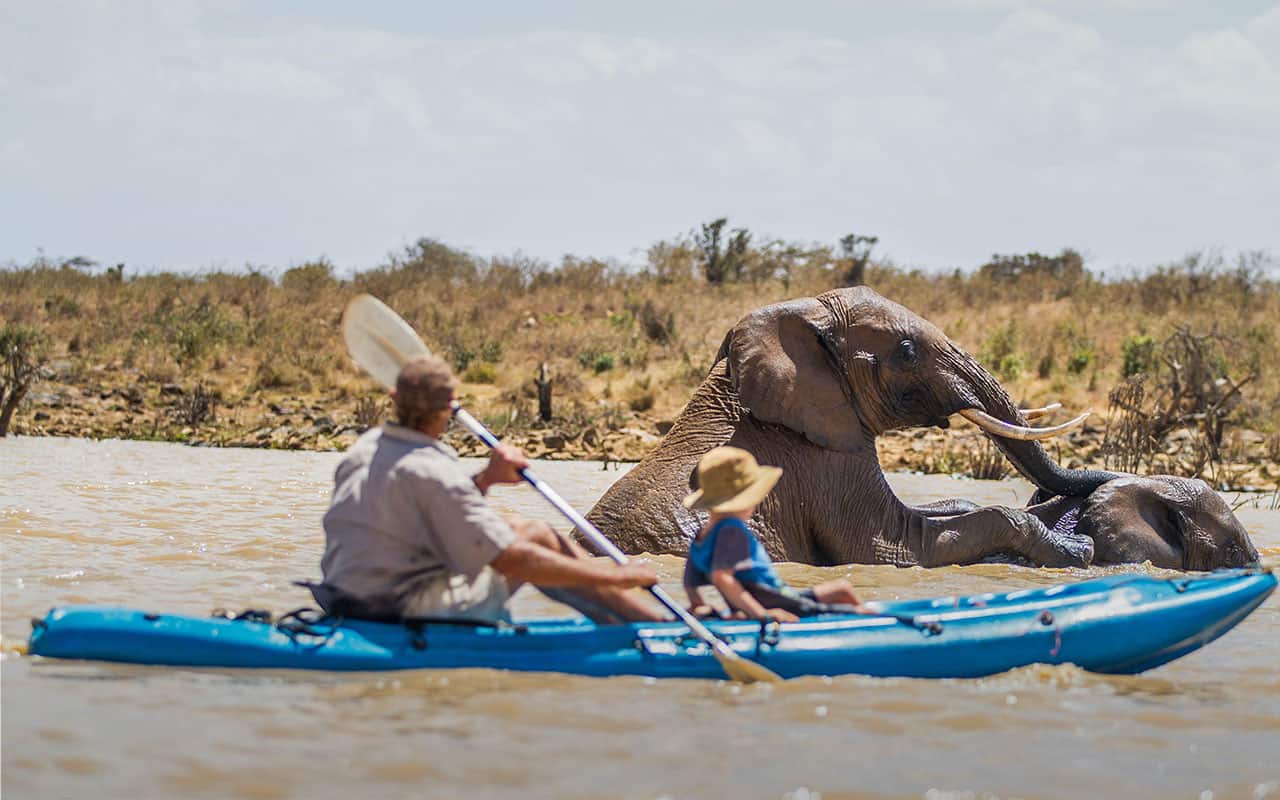
Lake Nakuru and Lake Bogoria are renowned for their breathtaking displays of flamingos, with their massive flocks often transforming the shoreline into a stunning pink panorama. These lakes provide a crucial habitat for these magnificent birds, attracting both tourists and avid birdwatchers alike. Meanwhile, Kakamega Forest and the Aberdare mountain range are home to unique forest species that cannot be found in any other part of the country. These areas are vital for the conservation of biodiversity and offer a glimpse into the rich avian life that thrives in the dense forests of Kenya.
For dedicated birders, planning an itinerary typically revolves around two or three specific parks, allowing for a focused exploration of the species they are most passionate about. This targeted approach is often dictated by the time of year and the specific species one hopes to observe, as different parks host different birds at various times throughout the seasons.
If you share your interests regarding particular bird species, we can provide tailored recommendations on which parks to visit and the best months for your experience. Knowing what you are looking for will help ensure that you make the most of your birdwatching adventure in Kenya.
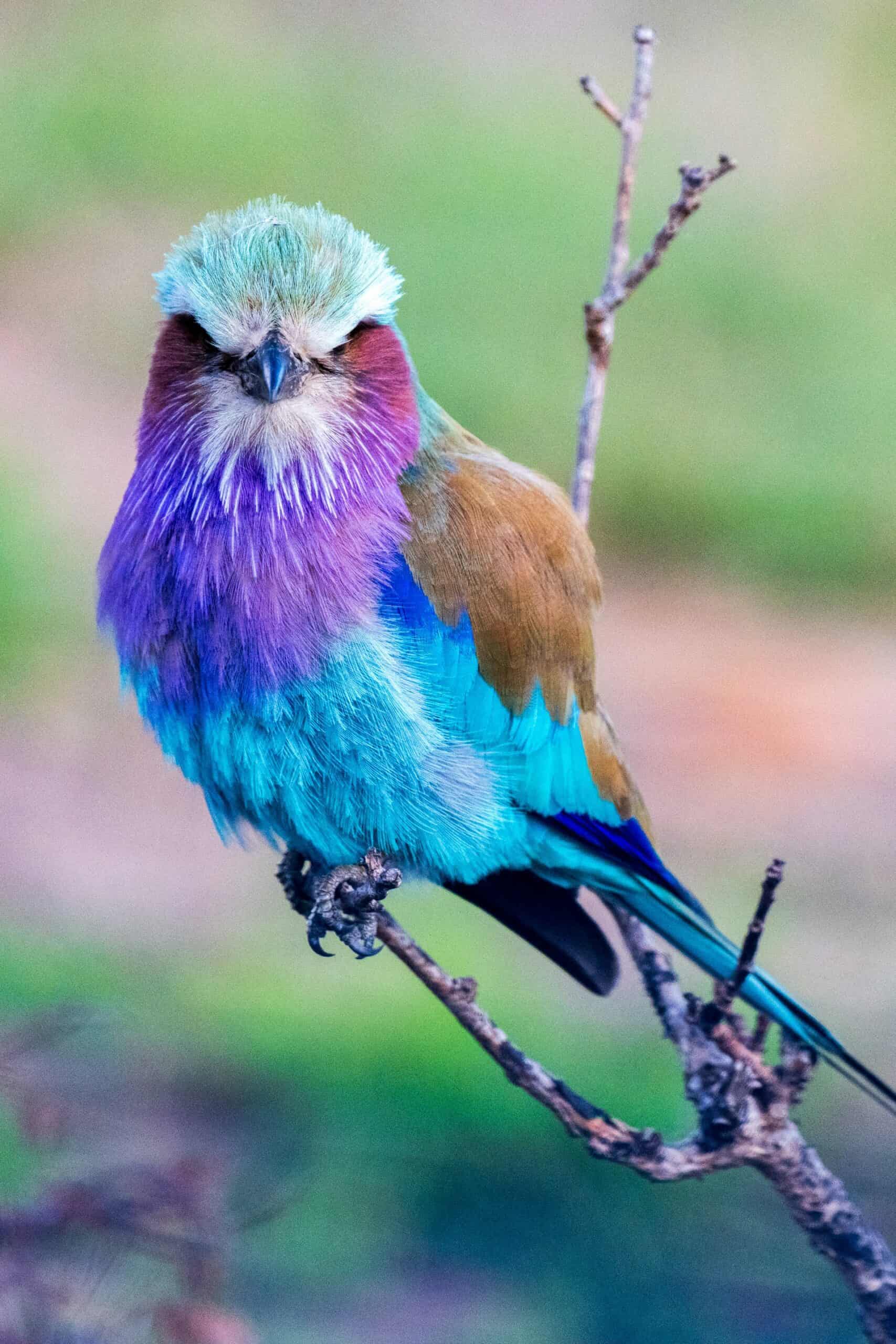
Ol Pejeta Conservancy stands as a vital sanctuary, sheltering the last two northern white rhinos on the planet. This remarkable conservancy not only protects these majestic creatures but also serves as a beacon of hope for wildlife preservation. The innovative model employed by the Lewa and Laikipia conservancies, which involves community-owned land leased for conservation purposes, has captured the attention of conservationists around the globe, becoming a valuable reference point beyond the borders of Kenya.
Visitors to these remarkable parks contribute directly to the fight against poaching and the restoration of habitats, as entry fees are funneled straight into anti-poaching patrols and community development programs. This ensures that the initiatives supporting long-term conservation efforts are both sustainable and effective. Journeying through these parks is not merely an opportunity to take in breathtaking natural scenery; it represents a meaningful and impactful way to support wildlife conservation and local communities, making each visit both purposeful and memorable.
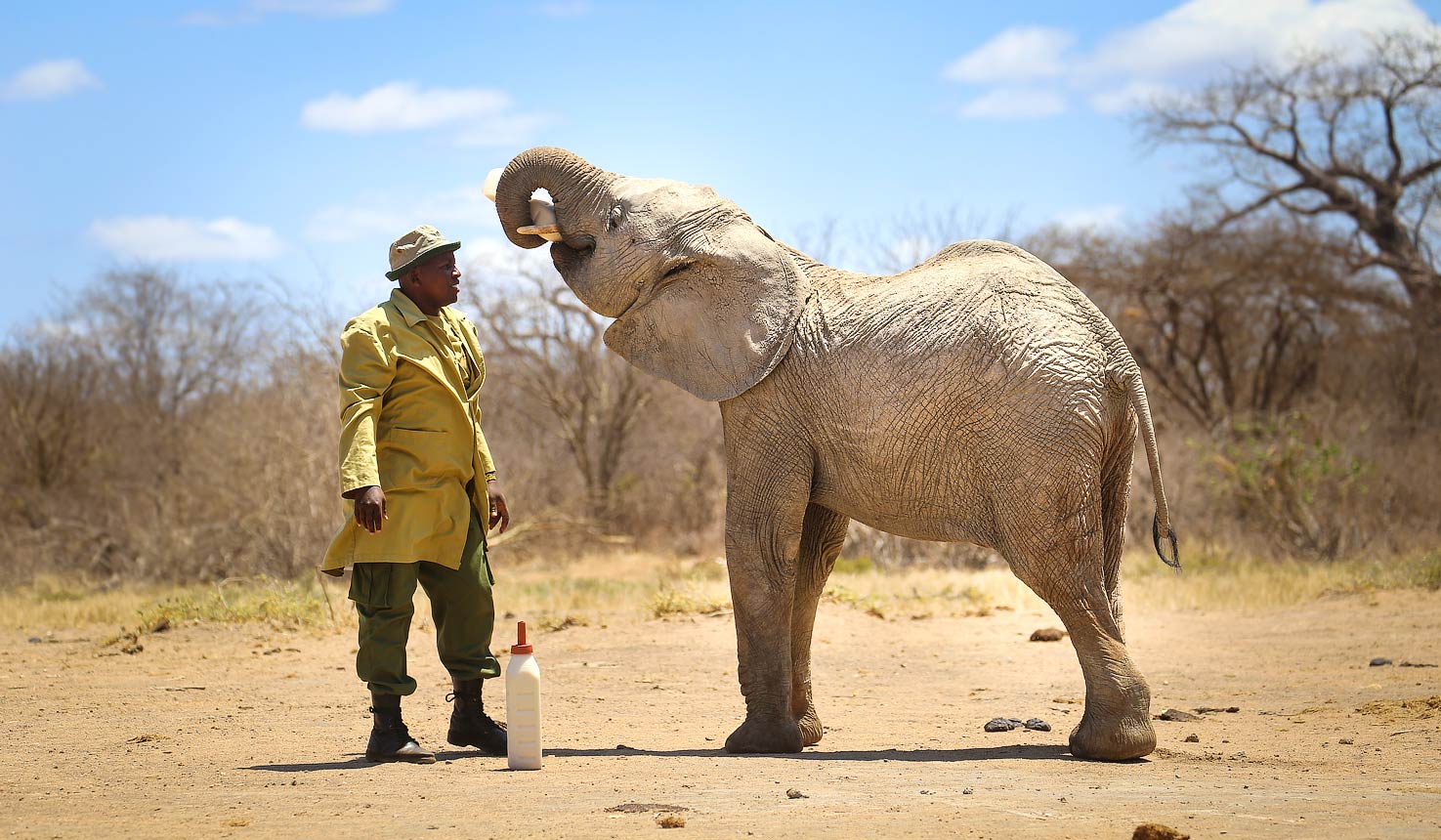
Nairobi National Park sits twenty minutes from the international airport, meaning your safari can start the same day you land. From there, short flights or a half-day’s drive connect you to the Mara, Amboseli, Tsavo or Samburu, so a well-planned two-week trip can realistically cover three or four parks without exhausting travel days.
Not researched from a desk. George Nchau's team has driven each of these parks and can tell you what a listing can't.
Every park visit we arrange uses your own vehicle and guide, at your own pace, not a fixed group schedule.
If a park doesn't fit what you're after, we say so, rather than filling an itinerary with everything on the list.
That access means better timing and more current information than a static guide can offer.
Tell us which parks interest you most and how much time you have. We will tell you which combination actually works, and build a private itinerary around it.
Tell us which parks you want to see and when you can travel. We reply within 24 hours with a private itinerary built around it.