$ 800 Entry
Bwindi Impenetrable National Park
Bwindi Forest
Experience Bwindi gorilla trekking in Uganda's UNESCO forest: intimate encounters with mountain gorillas
Discover Park


Uganda · East Africa
All 10 national parks in Uganda, mapped and explained by a team that has been to every one of them.



Uganda is home to ten national parks, each offering a unique glimpse into the country’s diverse ecosystems. While the total area of these parks may be smaller than that of Kenya or Tanzania, the variety of landscapes and wildlife is just as impressive. In Uganda, you can explore dense rainforests that provide refuge for the elusive mountain gorillas, encounter the expansive savannahs where tree-climbing lions can be spotted lounging in the branches of acacia trees, and witness the mighty Nile River creating a spectacular seven-meter drop at Murchison Falls, a breathtaking display of nature’s power.
One of the most compelling reasons tourists are drawn to Uganda is its population of mountain gorillas, of which more than half of the world’s remaining numbers reside here. This makes it a prime destination for wildlife enthusiasts and researchers alike. For anyone planning to visit, it’s essential to understand the costs associated with each of these national parks, the best times to visit for optimal wildlife viewing, and the logistics involved in planning your trip—especially regarding gorilla permits. These permits, which allow access to see the gorillas in their natural habitat, often need to be booked well in advance due to their popularity and limited availability.
We have personally explored each of these stunning parks, allowing us to provide firsthand insights into the experiences they offer. Below, we detail the specific costs of entry to each park, advise on the ideal seasons for visiting, and explain the logistics surrounding gorilla trekking permits, ensuring you have the necessary information to plan your adventure smoothly.
Explore our full portfolio of parks, reserves and conservancies.
7 parks in this collection
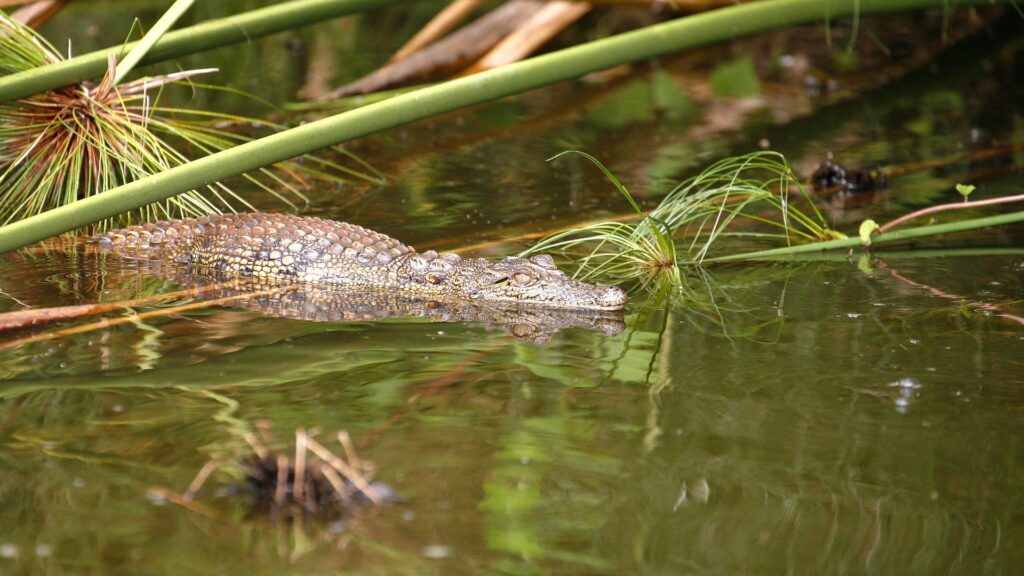
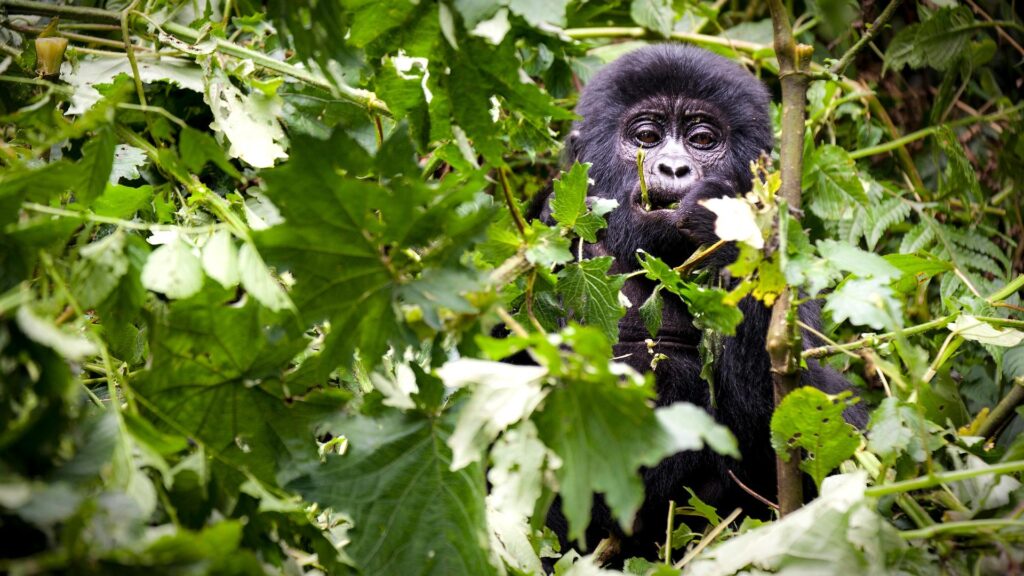
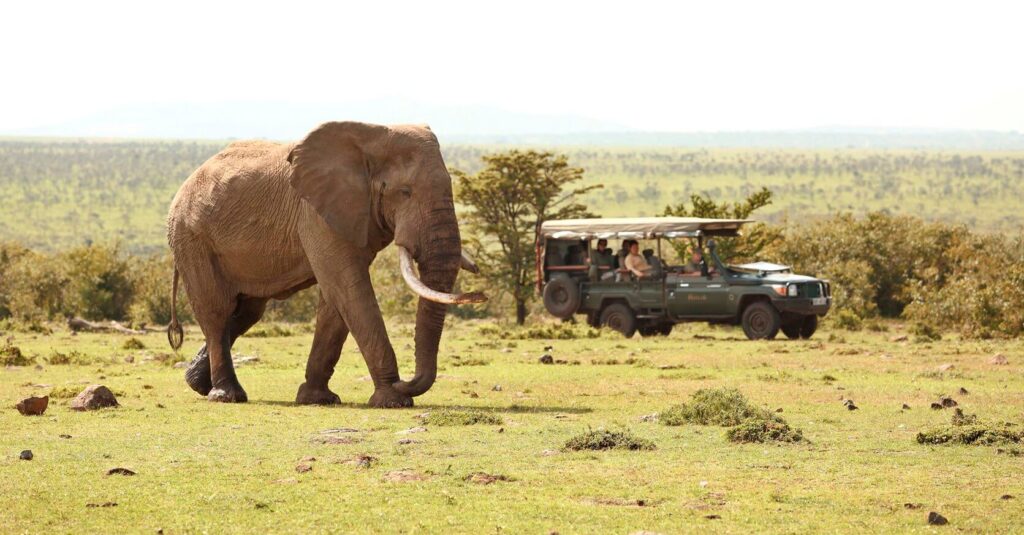
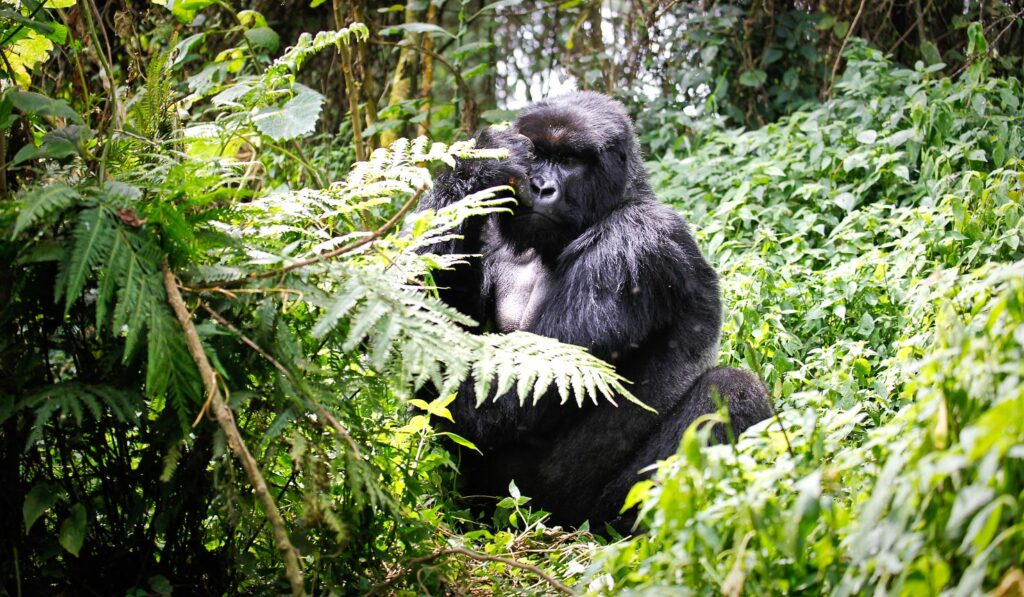
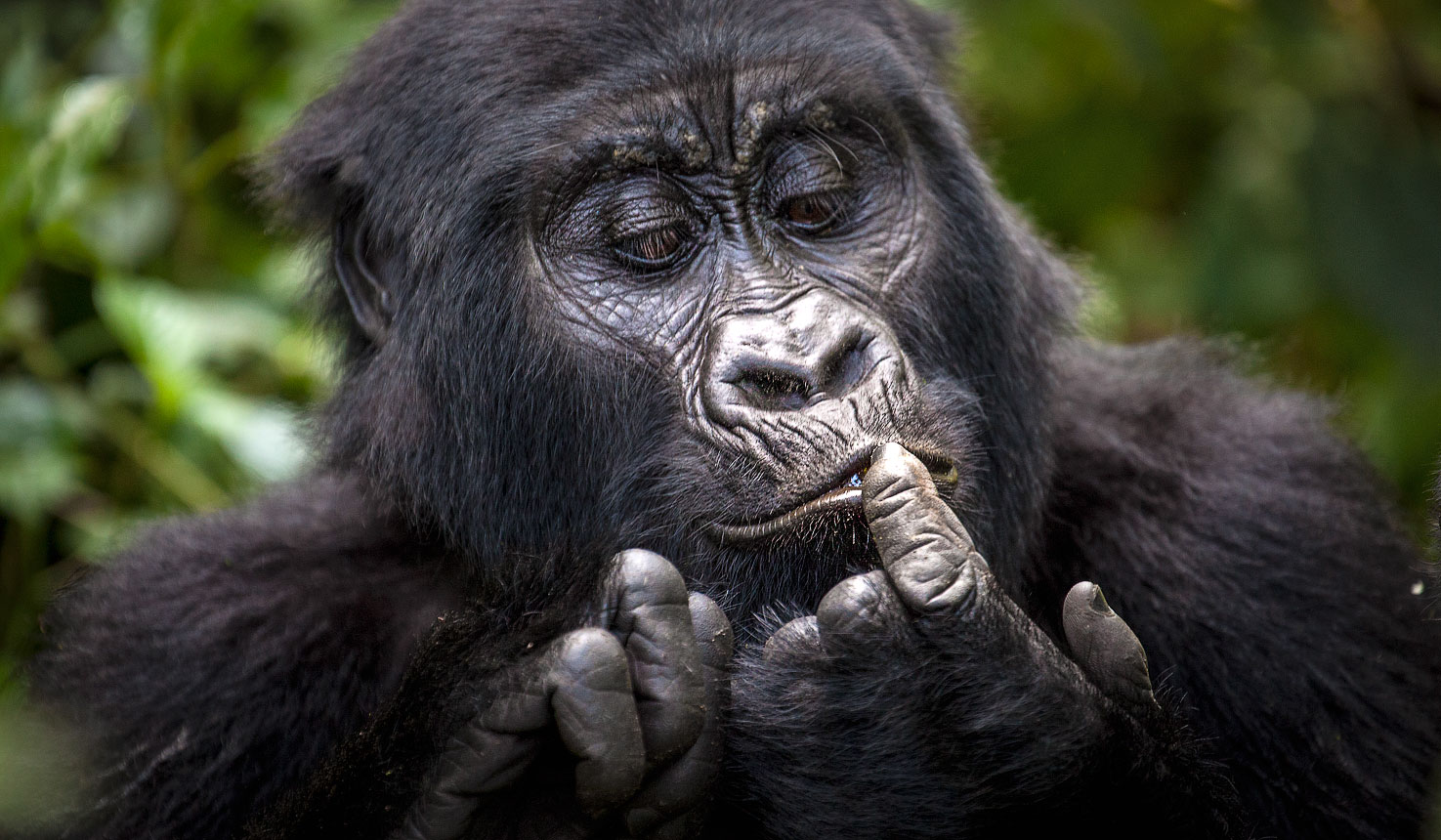
Bwindi Impenetrable National Park is a UNESCO World Heritage Site that plays a crucial role in the conservation of one of the planet’s most endangered species: the mountain gorilla. This park is home to more than half of the world’s remaining mountain gorillas, with 21 distinct families that have been habituated for trekking. Visitors to Bwindi can engage in unforgettable encounters with these magnificent creatures in their natural habitat, allowing for both educational and exhilarating experiences.
On the other hand, Mgahinga Gorilla National Park, while smaller in size, offers a unique appeal with its breathtaking mountainous landscapes. In addition to mountain gorilla trekking, the park provides an opportunity for golden monkey tracking, adding an exciting dimension for wildlife enthusiasts and adventurers alike.
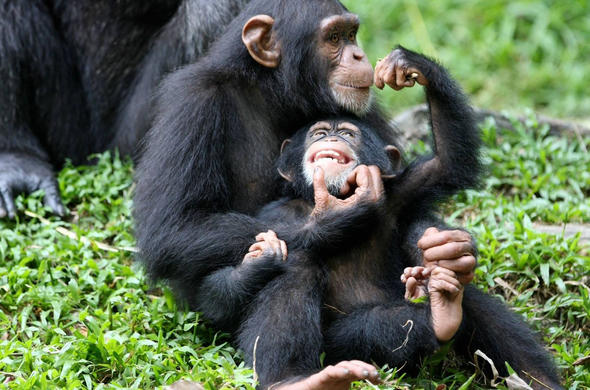
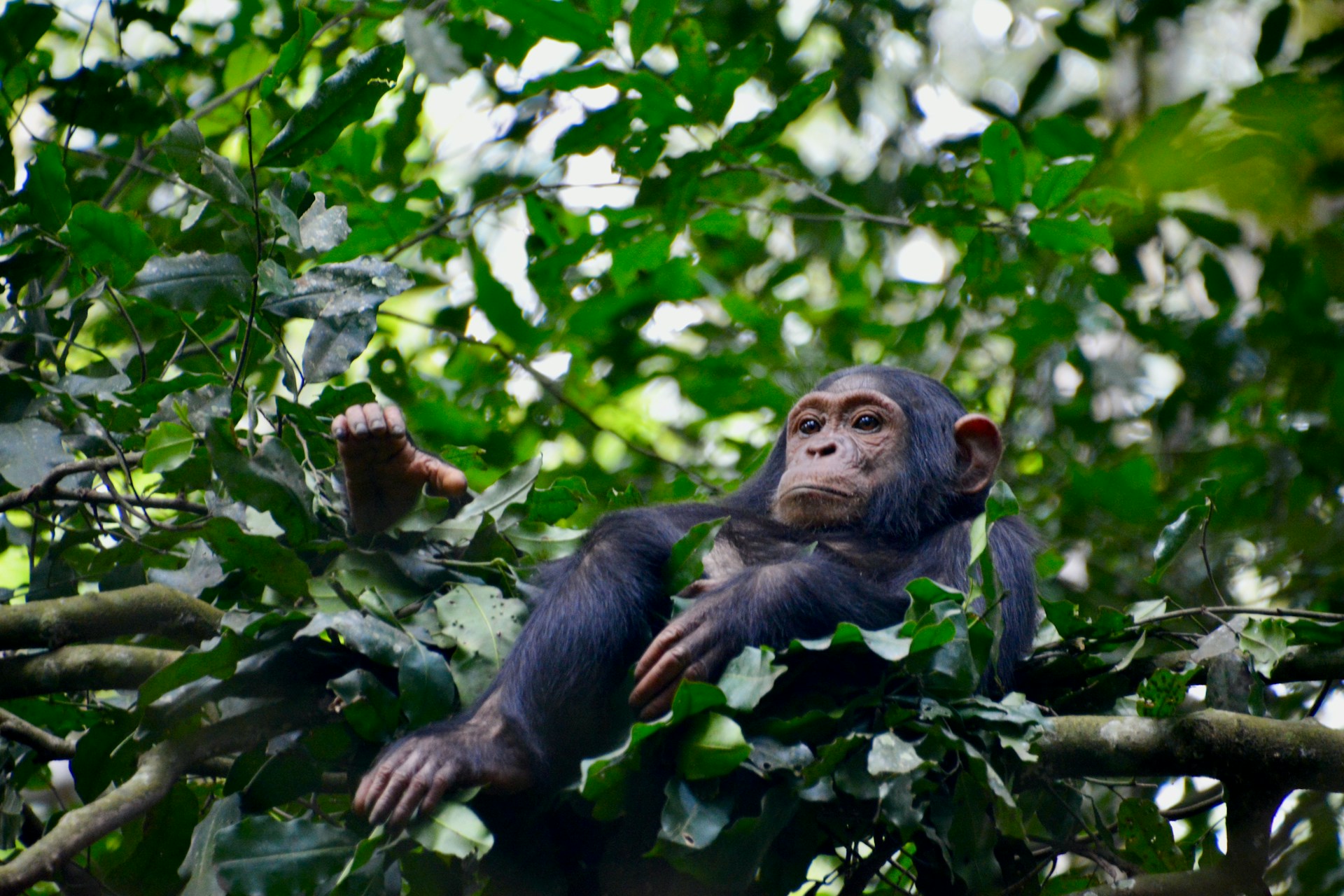
Kibale National Park, often referred to as the “primate capital of the world,” presents a different but equally enchanting experience. This park boasts the highest concentration of chimpanzees in Africa, with an impressive population exceeding 1,500 individuals. Alongside these intelligent apes, Kibale is home to 12 other primate species, making it a vibrant sanctuary for biodiversity. Visitors can embark on guided walks to observe these fascinating creatures, experience their social behaviors, and immerse themselves in the lush tropical rainforest ecosystem that supports such a rich variety of wildlife.
Most itineraries combine Bwindi’s gorillas with either Kibale’s chimps or Queen Elizabeth’s savannah wildlife, rather than trying to fit all three into one trip. See how we build a gorilla trekking itinerary →
Gorilla trekking permits in Uganda are priced at $800 per person and are in high demand due to their limited availability. There are only 21 habituated gorilla families throughout the country, which means that the permits can sell out quickly. Therefore, it’s essential to book your permits several months in advance. This isn’t just a recommendation; securing your permits well ahead of time can mean the difference between trekking on your desired dates and missing out altogether.
While gorilla trekking is available year-round, it’s important to note that the best trekking conditions occur during two primary seasons: from June to September and from December to February. During these months, the trails tend to be drier, making for a more enjoyable and easier hiking experience.
As part of our planning services, we take care of the permit booking process directly. Given the importance of timing in organizing a successful Uganda itinerary, we prioritize this step to ensure you have the best chance to trek with the gorillas on dates that suit your travel plans.
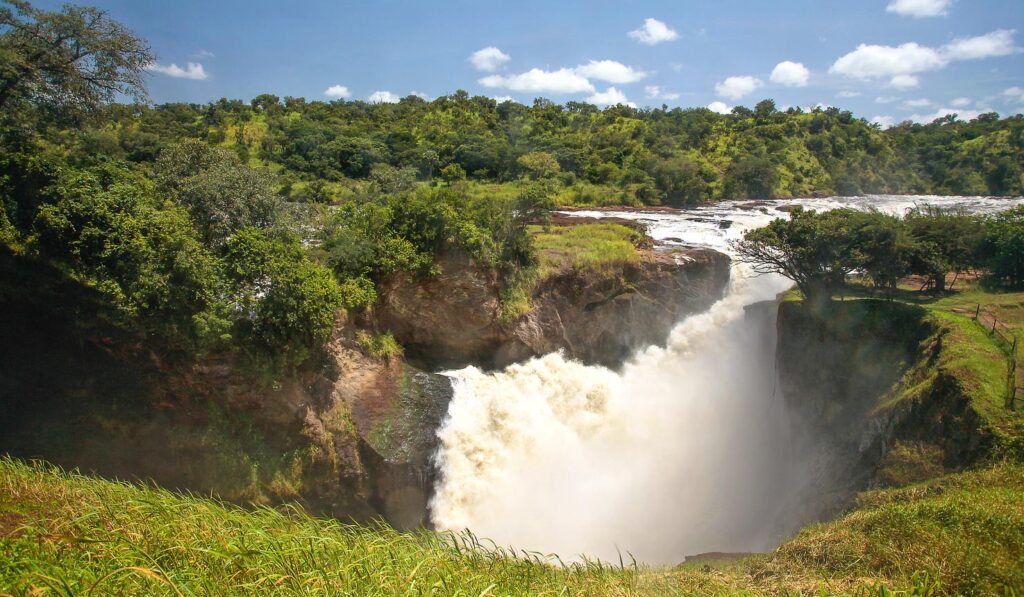
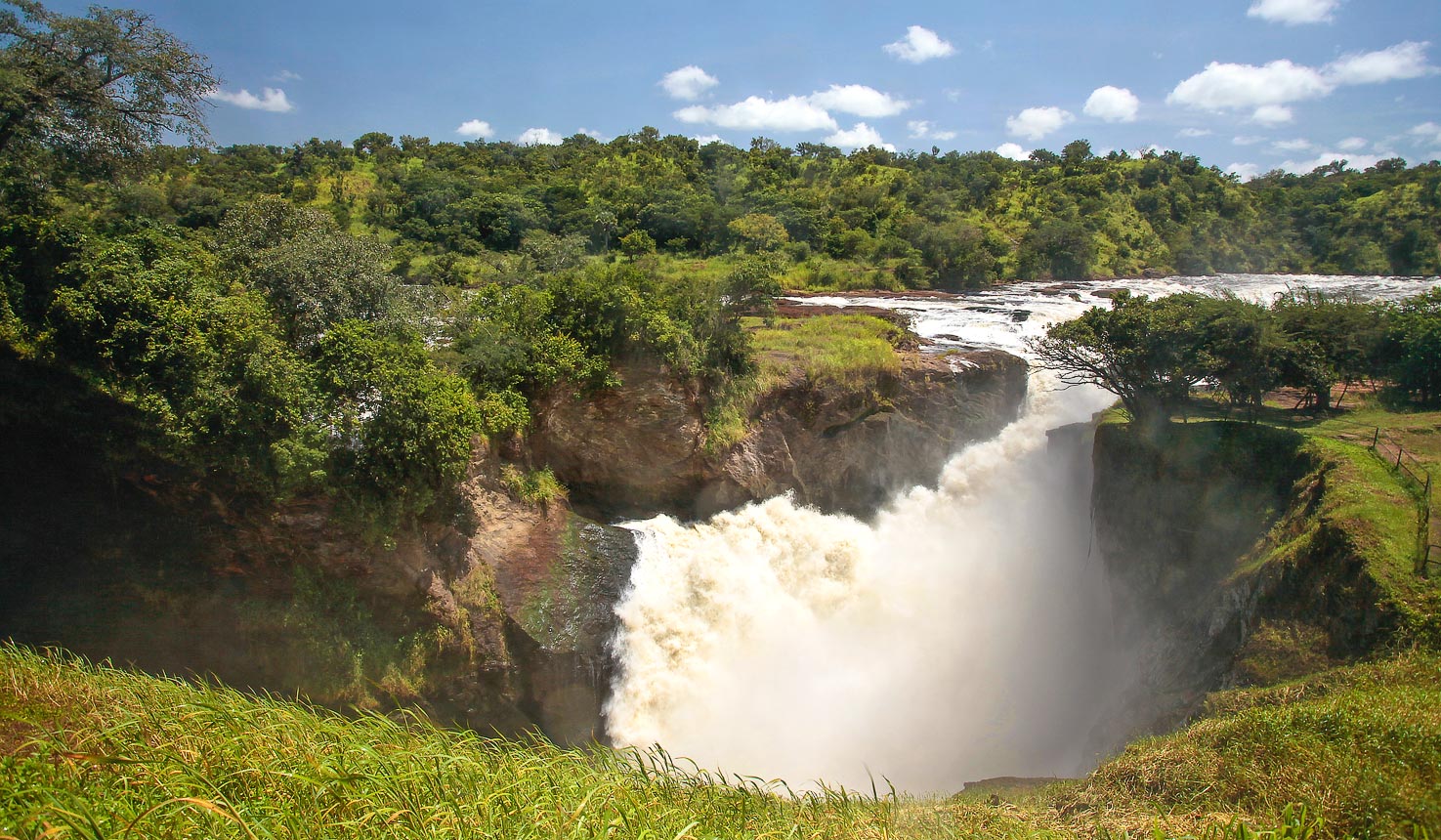
Murchison Falls National Park is renowned for its striking and awe-inspiring feature: the Nile River, forcefully compressed through a narrow seven-metre gorge, creating a dramatic waterfall that captivates all who visit. As the river plunges down, it produces a thunderous roar, creating a breathtaking spectacle that sets the stage for an unforgettable experience. Following the falls, visitors can embark on a serene boat safari along the calmer waters of the Nile downstream. This tranquil journey offers the opportunity to observe an array of wildlife along the banks, including majestic elephants ambling to drink, playful hippos lounging in the shallows, and the elusive shoebill stork, a rare bird that wades gracefully in search of fish.
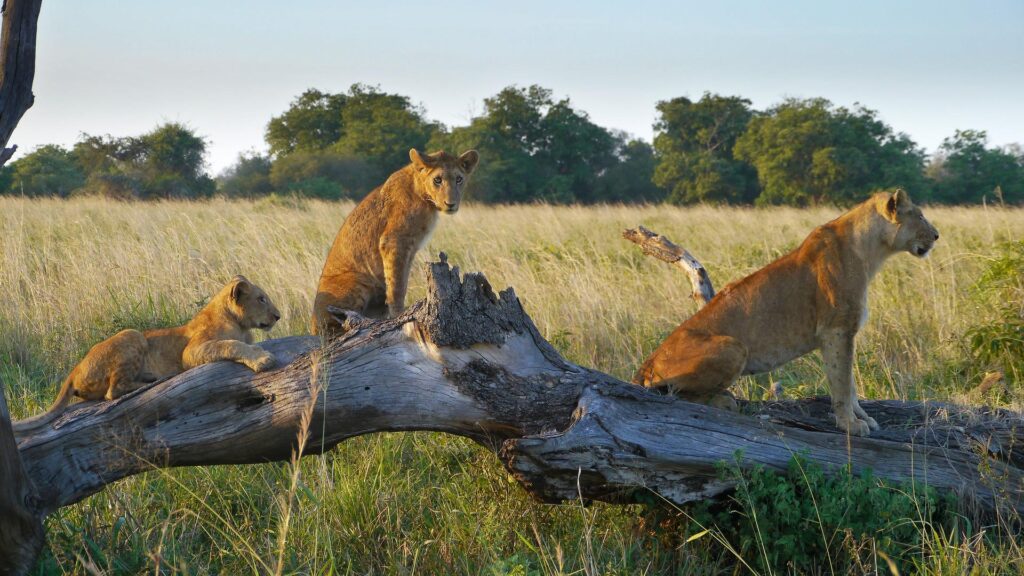
In contrast, Queen Elizabeth National Park presents a different kind of allure, most famously showcasing its unique population of tree-climbing lions. Found in the Ishasha sector of the park, these remarkable big cats exhibit a rare and fascinating behavior, lazily draped over the branches of fig trees—an adaptation seen in only two regions worldwide. As you explore the park, don’t miss the opportunity to embark on a boat cruise along the Kazinga Channel, which boasts the highest concentration of hippos in Africa. Here, you’ll be treated to a vibrant scene filled with the sounds of grunting hippos, while numerous water birds, including elegant pelicans and wading herons, flit about in the rich ecosystem.
Both Murchison Falls and Queen Elizabeth National Parks naturally complement an adventurous gorilla trek in the nearby Bwindi Impenetrable Forest. Unlike gorilla treks in Bwindi, which require advance permitting, visiting these two parks offers a more flexible itinerary, allowing wildlife enthusiasts to easily enjoy a diverse array of experiences without the lead time constraints.
Uganda is a stunning hub of avian diversity, boasting over half of Africa’s total bird species within its relatively small borders. The country’s varied ecosystems create a rich tapestry for birdwatchers and nature enthusiasts alike. Among the most notable locations is Murchison Falls National Park, where the expansive papyrus wetlands provide a unique habitat for a myriad of species, creating opportunities for exciting birdwatching experiences.
In the southwestern region, Bwindi Impenetrable National Park is renowned not only for its mountain gorillas but also for its montane forests that are home to a diverse range of bird species, including the striking African green broadbill and the elusive Rwenzori turaco.
Another fantastic birding site is Mabamba Swamp, located near Entebbe, which is famous for its population of shoebills, a prehistoric-looking bird that captivates birdwatchers with its imposing stature and unique appearance.
Queen Elizabeth National Park is a remarkable destination in its own right, boasting nearly 600 recorded bird species, offering a feast for the eyes of any bird lover.
If there are specific bird species that interest you, please let us know, as the choice of park and the best time to visit can vary significantly depending on your target species.
Entebbe International Airport, conveniently located just 45 minutes from the bustling capital city of Kampala, serves as the gateway to Uganda’s stunning natural wonders. From Entebbe, travelers can embark on an unforgettable journey to Queen Elizabeth National Park, which lies approximately 6 to 7 hours away by road. For those looking to save time, a scheduled flight can whisk you to this remarkable destination in about 90 minutes.
Alternatively, Murchison Falls National Park is just a picturesque 5 to 6-hour drive from the airport, or you can opt for a quick flight that will get you there in under 2 hours. Kibale National Park, known for its incredible primate biodiversity, is situated about 5 hours away by road, making it quite accessible for visitors.
To truly experience the magic of Uganda, a thoughtfully planned itinerary spanning 10 to 14 days allows for a rewarding combination of thrilling gorilla trekking adventures alongside explorations of two or three of these captivating parks. Each destination offers its unique blend of wildlife, landscapes, and unforgettable experiences.
Not researched from a desk. George Nchau's team has trekked, driven and boated through each of these parks.
Booking months ahead, on the right dates, for the right family. This is the detail that makes or breaks a Uganda trip.
Every park visit we arrange uses your own vehicle and guide, at your own pace.
That access means better timing and more current information than a static guide can offer
Tell us which parks interest you most, especially if gorilla trekking is on the list, and how much time you have. We will build a private itinerary around it, permits included.
Tell us which parks you want to see and when you can travel. We reply within 24 hours with a private itinerary built around it.
Holiday offer · until 30 November
Selected private safaris from 8 to 21 days across Kenya and Tanzania. Book by 30 November and travel whenever you like.
$200 Discount on the total booking. Valid on bookings confirmed by 30 November 2026, for any travel date.