
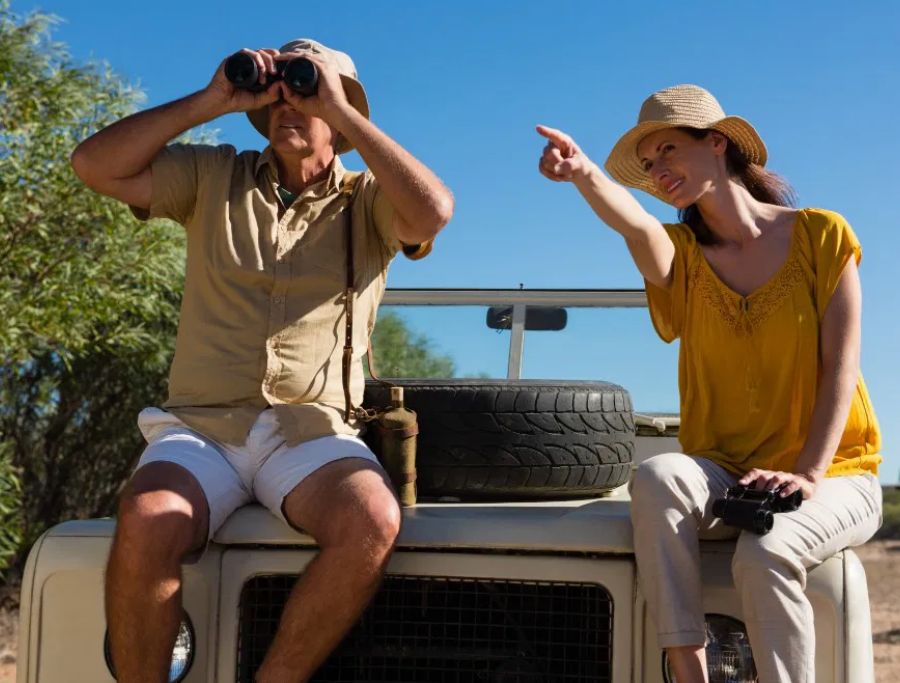
What to Wear on a Kenya Safari: Your Complete Clothing & Packing Guide
Kenya stands as one of Africa’s most iconic safari destinations, offering an extraordinary blend of dramatic landscapes, abundant wildlife, and vibrant cultures. Whether you’re traversing the vast plains of the Maasai Mara during the Great Migration, trekking through the misty Aberdare Mountains, or photographing flamingos at Lake Nakuru, what you wear can significantly enhance your safari experience.
The right safari clothing protects you from intense sun, biting insects, temperature fluctuations, and dusty conditions while keeping you comfortable during long game drives. This comprehensive guide reveals exactly what to wear on safari Kenya adventures, ensuring you stay protected, comfortable, and ready for unforgettable wildlife encounters.
Let’s explore the essential items for your Kenya safari packing list and help you prepare for the adventure of a lifetime.
Essential Safari Clothing: Build Your Perfect Wardrobe
Lightweight, Breathable Fabrics for All-Day Comfort
The Kenyan climate varies dramatically from sweltering midday heat exceeding 30°C (86°F) to surprisingly chilly evenings that can drop to 10°C (50°F), especially at higher elevations. Smart layering with lightweight, breathable fabrics forms the foundation of successful safari clothing.
Safari Shirts - Your Daily Staple
Long-sleeved shirts serve multiple purposes on safari, protecting you from harsh sun exposure, tsetse flies, mosquitoes, and thorny vegetation during bush walks. Choose moisture-wicking fabrics that keep you cool while providing coverage.
Color matters: Stick to neutral tones like khaki, olive green, beige, and light brown. These earth tones blend naturally with the environment, avoiding bright colors that can disturb wildlife or attract insects. White and black should be avoided; white shows dust immediately, while black absorbs heat and attracts tsetse flies.
Safari Pants and Shorts - Versatility is Key
Cargo pants with multiple pockets prove invaluable for storing small items like memory cards, sunscreen, or field guides without constantly accessing your bag. The pockets keep essentials accessible during game drives when movement is restricted.
Pro tip: Convertible pants (zip-off legs transform into shorts) offer maximum versatility for Kenya’s changing weather conditions. Wear them as full-length pants during cool morning drives, then convert to shorts as temperatures rise.
Bring 2-3 pairs of long pants and 1-2 pairs of shorts for a week-long safari. Quick-dry fabrics allow for easy hand washing and overnight drying.
Footwear Essentials: Comfort and Protection
Closed-Toe Shoes Are Non-Negotiable
Proper footwear protects your feet from rough terrain, thorny acacia branches, rocky paths, and potential wildlife encounters during walking safaris. Never wear open-toed shoes on game drives or bush walks.
Hiking Boots - Foundation of Safari Footwear
Sturdy, comfortable hiking boots with ankle support prove essential for walking safaris, nature treks, and exploring lodge grounds. Break them in thoroughly before your trip—blisters can ruin safari experiences.
Features to prioritize:
- Breathable materials (Gore-Tex or similar)
- Good tread for varied terrain
- Ankle support for uneven ground
- Lightweight construction to reduce fatigue
Comfortable Walking Shoes
For game drives where you remain seated in vehicles, lighter trail shoes or supportive sneakers work well and prove more comfortable than heavy boots during long sitting periods.
Camp Sandals - Evening Relaxation
Bring comfortable sandals or slip-on shoes for relaxing around camp or lodge after game drives. These allow your feet to breathe and recover from daytime footwear.
Layering for Temperature Changes
Outerwear That Adapts to Safari Conditions
Early morning game drives begin before sunrise when temperatures can be surprisingly cold, especially during Kenya’s dry seasons (June-October and January-February). Vehicle movement creates additional wind chill.
Lightweight Windproof Jacket - Essential Layer
A packable, windproof jacket protects against morning chill and evening breezes without taking excessive luggage space. Water-resistant options provide bonus protection during unexpected showers in shoulder seasons.
Fleece or Down Vest - Extra Warmth
A fleece jacket, pullover, or lightweight down vest adds crucial warmth during predawn starts and high-altitude destinations like the Aberdare Mountains. These layer easily under your windproof jacket for maximum warmth.
Temperature guide:
- 5:30 AM game drive: 10-15°C (50-59°F) – jacket + fleece needed
- 10:00 AM: 20-25°C (68-77°F) – shirt sleeves comfortable
- 6:00 PM return: 15-18°C (59-64°F) – light jacket recommended
Safari Accessories: Small Items, Big Impact
Protection from Sun, Dust, and Insects
The right accessories transform your safari experience from endurable to enjoyable. These items protect you from Kenya’s intense equatorial sun, ubiquitous dust, and persistent insects.
Wide-Brimmed Hat - Sun Protection Essential
A quality safari hat with broad brim (at least 7-10cm) protects your face, ears, and neck from intense African sun. Choose hats with chin straps to prevent loss during windy game drives or when leaning out for photographs.
Hat options:
- Classic bush hat with ventilation
- Legionnaire-style with neck flap
- Packable crushable hat for easy packing
Quality Sunglasses - Eye Protection
Invest in polarized sunglasses with UV400 protection. The bright African sun reflecting off light-colored grasslands can cause eye strain and headaches. Polarized lenses also reduce glare when photographing wildlife.
Scarf, Buff, or Bandana - Multi-Purpose Essential
This versatile item serves multiple purposes on safari: keeping dust from your mouth and nose during dry season drives, protecting your neck from sun, and providing warmth during chilly mornings. Lightweight, breathable fabrics work best.
High SPF Sunscreen - Non-Negotiable
Kenya sits on the equator, meaning intense sun exposure year-round. Apply broad-spectrum SPF 50+ sunscreen liberally and reopen frequently. Reef-safe formulas are environmentally responsible for lake and coastal safari combinations.
Effective Insect Repellent - Disease Prevention
DEET-based repellents (30-50% concentration) provide best protection against mosquitoes that carry malaria. Apply to exposed skin and consider treating clothing with permethrin before your trip for added protection.
Safari Gear: Enhance Your Wildlife Experience
Equipment That Elevates Your Adventure
Beyond clothing, specific gear enhances wildlife viewing, photography, and overall safari enjoyment.
Quality Binoculars - Spot Wildlife from Distance
Binoculars transform your safari experience, allowing you to observe distant wildlife behavior, identify bird species, and appreciate details invisible to the naked eye. Aim for 8×42 or 10×42 magnification for optimal safari viewing.
Camera Equipment - Capture Unforgettable Moments
Whether using a smartphone or professional DSLR, protect your equipment from dust with camera bags or protective covers. Bring extra batteries and memory cards—Kenya’s incredible wildlife will fill storage quickly.
Photography tips:
- Telephoto lens (200-400mm) for wildlife
- Dust-proof camera bag
- Lens cleaning kit for dusty conditions
- Spare batteries (charging opportunities vary)
Comfortable Daypack - Organize Your Essentials
A small backpack (20-30L) keeps water bottles, snacks, cameras, sunscreen, and layers organized and accessible during game drives. Choose dust-resistant materials with multiple compartments.
Headlamp or Flashlight - Navigate After Dark
Safari camps often minimize lighting to preserve the natural atmosphere. A headlamp proves invaluable for navigating to your tent after dinner, late-night bathroom visits, or early morning preparation before dawn drives.
What NOT to Wear on Safari
Avoid These Common Mistakes
Certain clothing choices can diminish your safari experience or even pose safety risks:
Bright Colors and White
Bright colors (red, yellow, orange) may disturb wildlife
White shows every speck of dust within minutes
Dark colors attract tsetse flies in some regions
Camouflage Patterns
Military-style camouflage is illegal in some African countries
Can be confiscated at airports or borders
Kenya Safari Highlights: Where Your Safari Wardrobe Takes You
Iconic Destinations Across Kenya
Your carefully chosen safari clothing will serve you well across Kenya’s diverse ecosystems and world-renowned national parks:
Maasai Mara National Reserve Known worldwide for the annual Great Migration, where millions of wildebeest and zebras traverse the plains in one of nature’s greatest spectacles. The Mara offers incredible predator viewing year-round.
Amboseli National Park Famous for massive elephant herds and stunning Mount Kilimanjaro views. The open terrain and dusty conditions make your hat and scarf essential accessories here.
Tsavo National Parks Tsavo East and Tsavo West together form one of the world’s largest game reserves, home to the famous red elephants of Tsavo, massive baobab trees, and diverse landscapes from volcanic hills to savanna plains.
Lake Nakuru National Park Renowned for vast flamingo flocks transforming the lake into a sea of pink, plus excellent rhino viewing. The lake’s alkaline environment makes sunglasses and sun protection particularly important.
Aberdare National Park Offers unique experiences exploring dense mountain forests and encountering wildlife like the elusive bongo antelope. Cooler temperatures at altitude make warm layers essential here.
Samburu National Reserve Known for the “Samburu Special Five”—species found only north of the equator, including Grevy’s zebra, reticulated giraffe, gerenuk, Beisa oryx, and Somali ostrich. Hot, dry conditions require excellent sun protection.
Laikipia Plateau Offers exceptional wildlife viewing combined with cultural experiences with local communities. Private conservancies here provide exclusive safari experiences with fewer crowds.
Explore our curated Kenya safari itineraries and destinations.
Ready for Your Kenya Safari Adventure
Going on a Kenyan safari represents an adventure of a lifetime. By choosing the right clothing and gear from this comprehensive Kenya safari packing list, you ensure your journey remains comfortable, safe, and truly memorable.
Whether you’re tracking the Big Five across the Maasai Mara, marveling at elephants against Kilimanjaro’s backdrop, or immersing yourself in local Samburu culture, being well-prepared allows you to fully embrace the wonders of Kenya’s wilderness without distraction or discomfort.
Your safari wardrobe is an investment in the quality of your African adventure. Choose wisely, pack smart, and prepare for experiences that will stay with you forever.