January: Fire and New Life
There is something quietly electric about Tanzania in January. The short rains have passed, the land is still green, and on the Ndutu Plains — that wide, golden bowl in the southern Serengeti — the greatest birth event on the planet is underway.
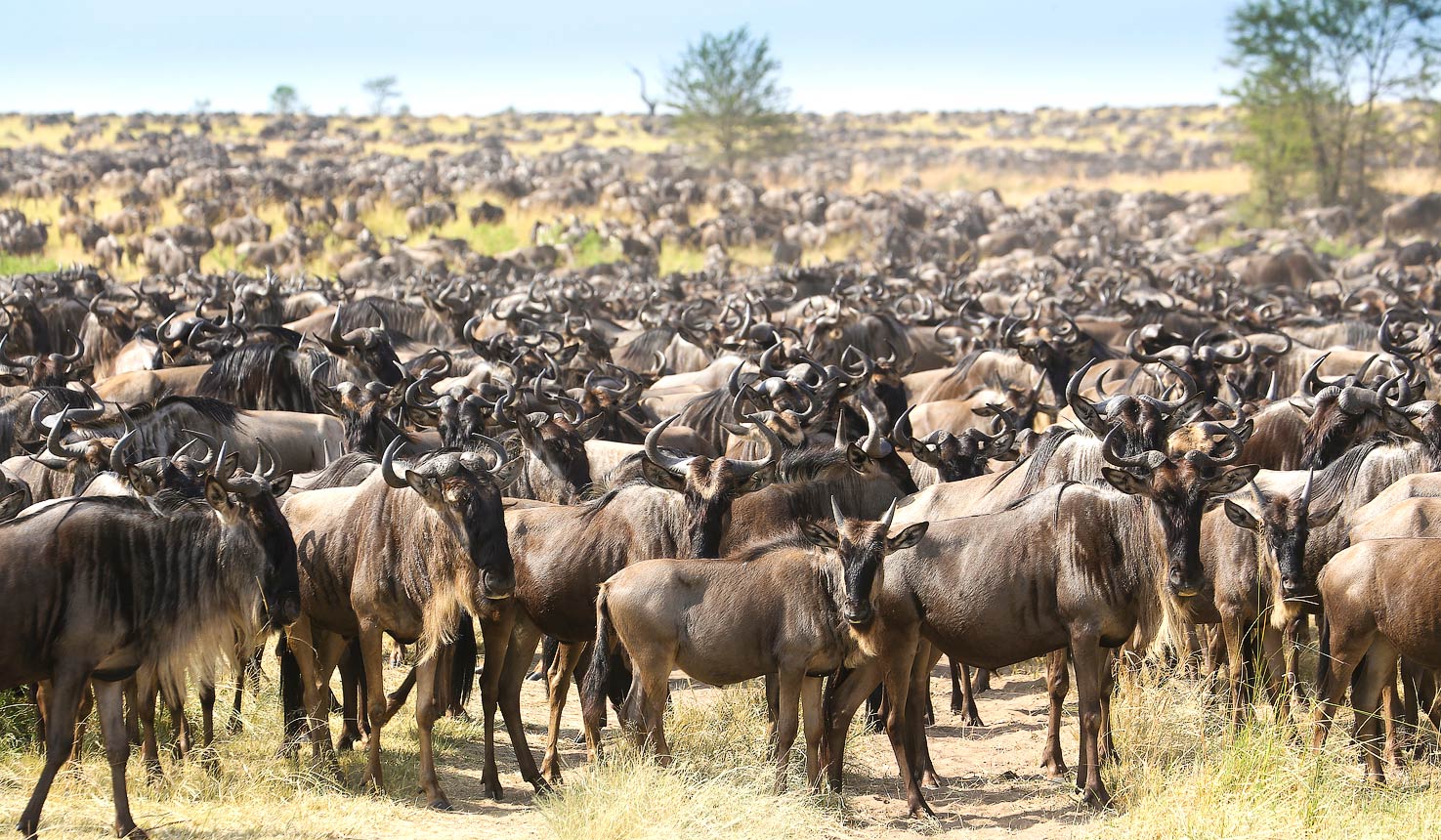
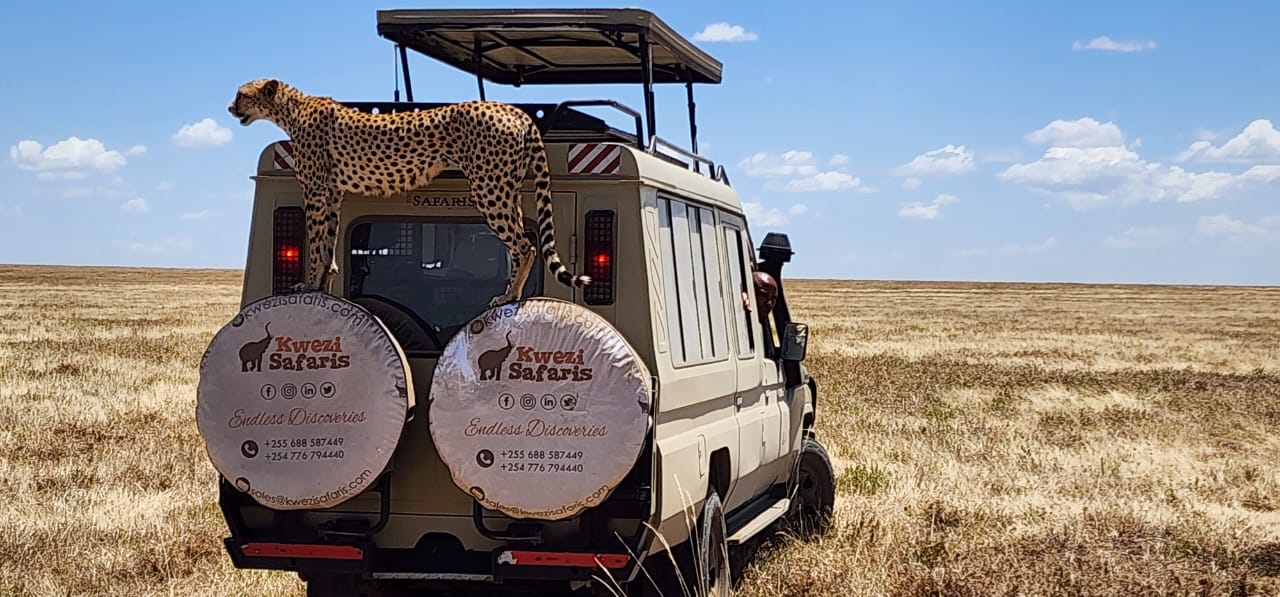
The wildebeest calving season peaks in January, with tens of thousands of calves entering the world in a matter of weeks. Predators gather at the edges. Cheetahs accelerate. Lions pace. And still the wildebeest give birth, because this is what life on the plains has always looked like — abundant, precarious, and utterly magnificent.
Up at altitude, the Ngorongoro Crater offers a different kind of reward: some of Africa’s last black rhinos move through the crater floor in the cool, high-altitude air, making this one of the continent’s finest places to tick off the rarest of the Big Five. Combine with Zanzibar for a perfect hot-and-wild January escape.
February: The Month of 500,000 Calves
If January is the opening act, February is the full spectacle. Around half a million wildebeest calves are born across the Ndutu and southern Serengeti plains in this single month — a number so staggering it reshapes the entire ecosystem around it.
Watch a calf stand for the first time, shaky-legged and blinking, then run within minutes of birth. This is the evolutionary miracle of prey animals — they have no time to be helpless. February is when it all plays out in full, surrounded by the focused attention of every predator in the region.
Flamingos gather at Lake Natron in extraordinary numbers during this period, adding flashes of impossible pink to Tanzania’s already vivid seasonal palette.
March: When the Rains Begin to Paint
The long rains arrive in March — tentatively at first, then with growing confidence. For photographers and naturalists, this is a quietly thrilling time. The Serengeti greens almost overnight. Flowers open. The air smells of damp red earth and new growth.
Early March still offers excellent safari conditions — game drives, trekking, beach time on Zanzibar’s calm northern shores. By month’s end, some roads soften and certain camps begin their low-season closures. But for those who come with open eyes, March offers some of Tanzania’s most dramatic and beautiful light.
April & May: The Rains, the Quiet, and the Value
April is Tanzania’s wettest month, and there is no gentle way around it. Afternoon thunderstorms roll in with commitment. Certain tracks become rivers. Some camps and lodges close entirely, particularly in the southern and western parks.
And yet — travel writers who know Tanzania whisper about April and May the way insiders whisper about anything they’d rather keep to themselves. The parks are near-empty. Accommodation prices fall dramatically. The Serengeti, draped in its deepest green, looks like a landscape painting no photographer has ever quite captured. The Great Migration begins its slow push northward through the western corridor, unhurried, uncrowded, undiscovered.
These are months for travellers who prefer their Africa without the crowds. They will not be disappointed.
June: The World Wakes Up
The rains retreat. The sun returns. And Tanzania remembers, with the ease of long practice, exactly how to dazzle.
June marks the beginning of the dry season — which means the beginning of peak safari season — but it carries the lingering lushness of the green months, giving it a particular beauty. Bird watchers are in heaven: migratory species fill the parks, and the southern circuit in particular buzzes with avian life.
At the Grumeti River, a quieter prologue to the famous Mara crossings is underway. Wildebeest gather in their thousands on the banks, building courage. Crocodiles wait below. The drama, when it comes, is as ancient and raw as the land itself.
July & August: The Peak — and Worth Every Penny
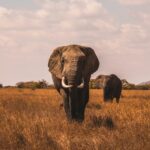
This is it. The dry season in full voice. The Great Migration in the northern Serengeti, with wildebeest and zebra pouring toward the Mara River in the Kenya-Tanzania borderlands. Lions sunning themselves on kopjes. Elephants herding into Tarangire in vast, sociable family groups. The air is clear, the skies are enormous, and the wildlife is everywhere.
July is technically the driest month of all — dust clouds rise from game-drive vehicles and the plains turn gold and amber. Pack sunglasses, a light scarf, and a camera battery that can keep up with what you’re going to see.
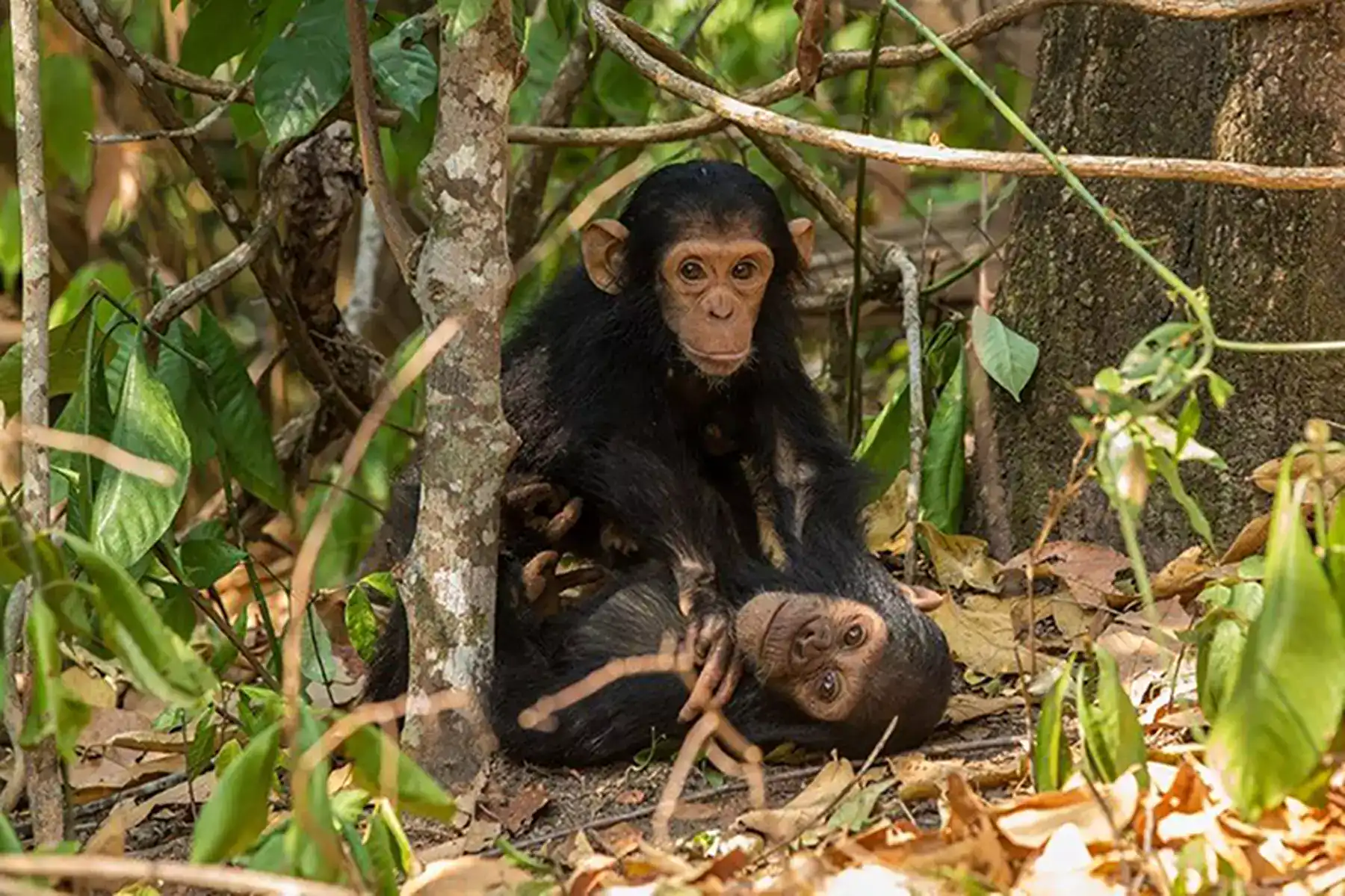
August brings chimpanzee tracking in the western parks — Mahale Mountains and Gombe are quieter than the northern circuit and offer one of Africa’s most intimate wildlife encounters. By late August, the coast of Zanzibar opens up for diving, with crystal-clear visibility and turtle hatchlings emerging from Indian Ocean beaches.
September: The Grand Finale of Dry Season
The last of the peak season months, September has the energy of a finale — busy, brilliant, and aware of its own brevity. The northern Serengeti still holds significant herds, with wildebeest spread across both sides of the Kenya border. Tarangire remains extraordinary, its elephant population swelling to some of the largest concentrations anywhere in East Africa.
For those seeking a quieter version of peak-season Tanzania, the southern parks offer superb game viewing without the northern circuit’s traffic. And along the Zanzibar coast, diving conditions are at their finest — clear waters, abundant marine life, and the particular peace of an Indian Ocean morning.
Mid-September also brings the Bagamoyo Arts Festival to the coast — a celebration of traditional Tanzanian dance, music, and art that offers a rare and beautiful window into the country’s cultural soul.
October: Chimpanzees, Craters, and the Last Dry Days
October is the shoulder month — prices beginning to ease, crowds thinning, and the landscape holding its breath before the rains return. It is, in its quiet way, one of the most rewarding months of all.
Mahale Mountains is fully accessible, and chimpanzee trekking here — through forest, on foot, in the company of an expert guide — is one of Tanzania’s most profoundly moving experiences. These are our closest relatives, and watching them move through the trees triggers something ancient and wordless.
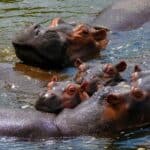
Around Katavi, the Katuma River draws elephants, hippos, and buffalo into spectacular concentrations as water sources dry up — a reminder that the end of the dry season is its own kind of dramatic peak.
November & December: The Return of Rain — and Magic
The short rains arrive in November, and with them comes a transformation that veteran safari travellers treasure: the crowds evaporate almost overnight. Suddenly, there are fewer vehicles at lion sightings. Fewer boats at hippo pools. Fewer voices disturbing the silence of the Serengeti at dusk.
Predators move with particular purpose as rains trigger the birth of newborn herbivores. Sightings are frequent, intimate, and thrillingly close. The parks green rapidly, wildflowers appear, and the kind of golden afternoon light that makes photographers weep begins to fall across the savannah in long, theatrical shafts.
December offers this same magic, with the added warmth of the festive season — ideal for families, for first-timers, and for anyone who wants a Tanzania safari that costs significantly less and delivers something memorably their own.
Choosing Your Perfect Tanzania Safari Season
For first-time visitors, the dry season — June through October — remains the gold standard. Wildlife is easier to track, roads are reliable, and the Great Migration offers one of nature’s truly unmissable spectacles.
For travellers who’ve been before, or who prioritise intimacy over volume, November through February opens up a quieter, greener, and often more emotionally powerful version of Tanzania. The calving season alone is worth building an entire trip around.
And for the genuinely curious — the birders, the chimpanzee trackers, the photographers who love dramatic skies — April, May, and June will give you something the high-season visitors rarely see: Tanzania entirely, beautifully, breathtakingly yours.
Every Month Has Its Moment
The best time to visit Tanzania is not a date on a calendar. It is the moment you decide to go — and then choose the time that matches what your soul is looking for. Whether that’s a wildebeest calf taking its first steps, a lion crossing a sunlit plain, or a cup of tea on a Zanzibar terrace as the Indian Ocean turns gold at sunset.
Tanzania is always ready. The only question is: when are you?