
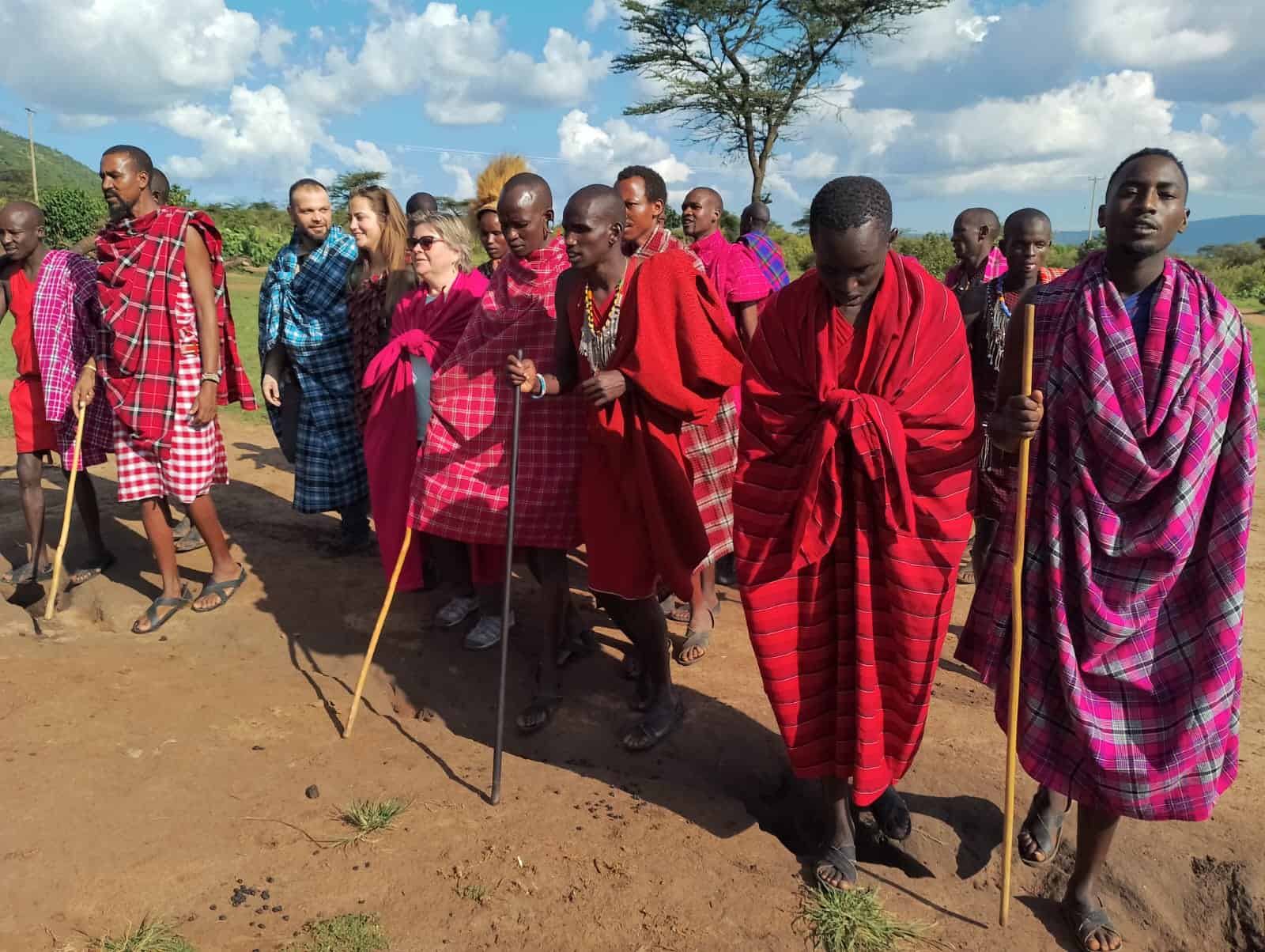
Most travelers come to Kenya chasing wildlife: lions, elephants, the Big Five. However, what truly makes Kenya extraordinary is that while these animals roam freely across national parks, over 40 distinct ethnic communities coexist alongside them, each preserving traditions that date back thousands of years.
They talk about the Maasai elder who explained — without any particular ceremony — that cattle are wealth, children are legacy, and the two are not so different. The Samburu woman whose beaded necklaces represented every year of her life, catalogued in colour and weight. The Swahili cook in Lamu who made a fish curry from a recipe older than Portugal’s arrival on the East African coast.
Kenya’s wildlife is exceptional. Kenya’s cultural heritage is irreplaceable.
Over 40 distinct ethnic communities call this country home, each preserving traditions that date back thousands of years — some into the archaeological record at Lake Turkana, where human ancestors walked this land over three million years ago. These are not heritage sites. They are living communities, navigating the balance between ancestral practice and modern life, and welcoming travellers who arrive with curiosity rather than a camera on continuous burst.
George Nchau, Kwezi Safaris’ director and lead guide, has spent 20+ years building itineraries that move between wildlife and culture rather than treating them as separate experiences. “The safari that stays with people,” he says, “is the one where the game drive ends at a Maasai manyatta and the guide can translate both directions.”
This guide covers Kenya’s major ethnic groups, their distinctive traditions, and how to experience them authentically. If you are planning a Kenya safari, the cultural layer is not optional — it is the difference between a trip and a story worth telling.
Quick Cultural Heritage Facts
Number of Ethnic Groups: 40+ distinct tribes
Major Language Families: Bantu, Nilotic, Cushitic
National Language: Swahili (Kiswahili)
Official Language: English
Urban Slang: Sheng (Swahili + English + indigenous languages)
UNESCO World Heritage Sites: 7 (including Lamu Old Town, Fort Jesus, Sacred Mijikenda Kaya Forests)
Population: Over 50 million
National Motto: Harambee (“Let’s pull together” in Swahili)
Understanding Kenya’s Ethnic Diversity
Kenya’s cultural landscape is organized into three main linguistic families, each with distinct origins and traditions:
Bantu-Speaking Communities (Majority)
The Bantu are Kenya’s largest ethnic grouping, having migrated into the region from Central and West Africa over 2,000 years ago. They brought agricultural practices and ironworking skills that transformed East Africa.
Central Bantu: Kikuyu, Embu, Meru, Tharaka, Kamba, Mbere
Western Bantu: Luhya, Gusii, Kuria
Coastal Bantu: Mijikenda, Swahili, Pokomo, Taita, Taveta
Bantu languages share similarities—sometimes you’ll find the same word means the same thing across multiple communities, reflecting their common ancestral roots.
Nilotic-Speaking Communities
Nilotic peoples migrated south from the Nile River valley, bringing pastoralist traditions focused on cattle herding. They’re generally taller and more slender than Bantu groups—a physical adaptation that’s contributed to Kenya’s dominance in long-distance running.
Plains Nilotic: Maasai, Samburu, Turkana, Teso, El Molo
Highland Nilotic: Kalenjin (Kipsigis, Nandi, Keiyo, Marakwet, Pokot, Tugen)
River-Lake Nilotic: Luo
Cushitic-Speaking Communities
Cushitic groups arrived from the Horn of Africa (Ethiopia and Somalia), bringing Islam and camel-herding traditions to Kenya’s arid northern regions.
Eastern Cushitic: Somali, Rendille, Boran, Gabbra, Orma
Southern Cushitic: Boni (also called Waata)
The Iconic Three: Kenya’s Most Famous Cultures
The Maasai: Warriors of the Savanna
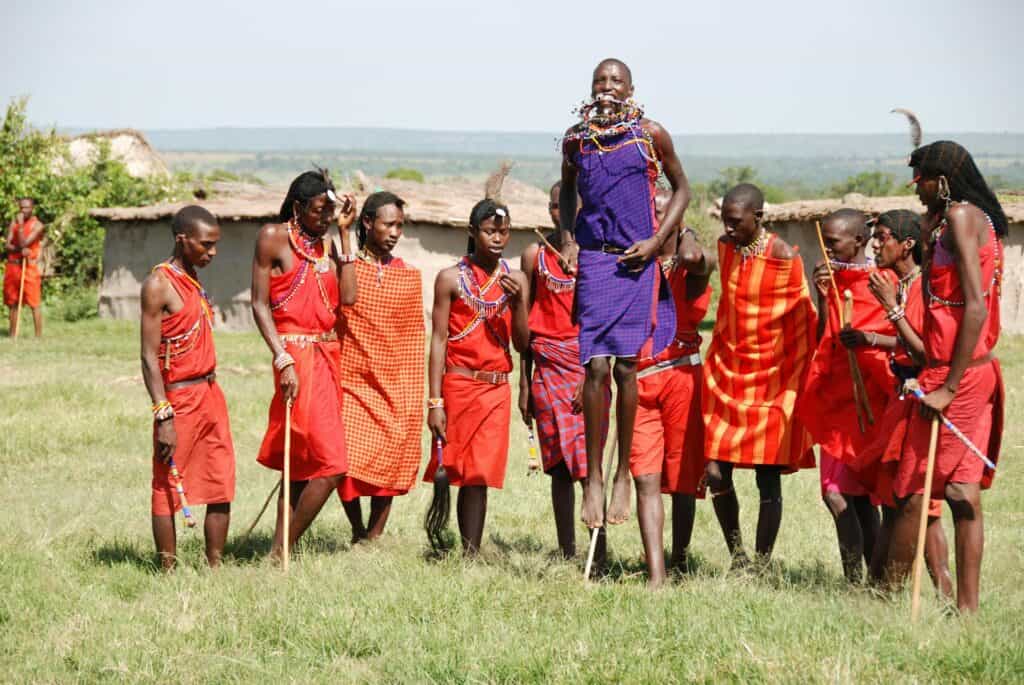
When most people picture traditional Africa, they’re probably imagining the Maasai. And for good reason, this internationally recognised community has become a symbol of East Africa while fiercely maintaining traditions that could easily have disappeared.
Where They Live:
Concentrated in southern Kenya around the Maasai Mara and Amboseli National Parks, extending into northern Tanzania. Their territories overlap with some of Africa’s most famous wildlife areas, a coexistence that’s lasted centuries.
Why They’re Famous:
The Maasai have simply refused to let Western influences erode their culture. While other communities adopted modern dress and urban lifestyles, the Maasai maintained their distinctive red shukas (cloth wraps), elaborate beadwork, and pastoral lifestyle. Their shield even appears on Kenya’s national flag.
The Warrior Tradition:
Maasai society revolves around age-sets and warrior culture. Young men (morans) undergo circumcision to become warriors, then spend years protecting the community and livestock before eventually graduating to elder status and marriage rights.
The famous Adumu dance, where warriors form a circle and take turns jumping as high as possible while maintaining a rigid posture, isn’t performance art. It’s a genuine display of strength and stamina, traditionally used to attract potential wives and establish social status.
Distinctive Features:
Dress: Red, black, and blue shukas with intricate beaded jewellery. Colours signify age and status, red for warriors, black after circumcision. Women wear even more elaborate beadwork than men.
Earlobes: Stretched earlobes symbolise wisdom and respect. The larger the hole, the greater the status.
Housing: Temporary manyattas (huts) built from mud, sticks, and cow dung, surrounded by acacia thorn fences to protect livestock from predators.
Diet: Traditionally milk, meat, and blood. Cattle blood is consumed during special ceremonies, given to the sick, and drunk by elders to cure hangovers (seriously). Modern Maasai increasingly supplement with ugali, cabbage, and potatoes.
Language: Maa is primarily oral, not written, maintaining Kenya’s oldest oral tradition system. Songs are led by an oluanyani (song leader) with the group providing choral harmonies.
Social Structure: Patriarchal and communal. Elders make decisions, morans defend the community, women build homes and manage households, children herd livestock.
Wealth: Measured in cattle and children. Large herds and many offspring equal high status.
Experience Maasai Culture on Safari
Maasai community visits near Amboseli and the Maasai Mara are among the most requested additions to Kwezi Safaris Kenya itineraries. The visits we arrange are not staged performances, they are conversations with families who have chosen to engage with tourism on their own terms, guided by community-appointed hosts.
What a genuine visit includes: a walk through a working manyatta, an explanation of the age-set system from an elder or moran who lives it, and time to purchase beadwork directly from the women who made it. The price you pay goes to the community, not an intermediary.
George designs these visits as part of multi-day Amboseli or Mara itineraries rather than standalone half-days. The context of arriving by safari vehicle after a morning game drive, when you have already seen the landscape these communities have managed for centuries, changes the quality of the encounter entirely.
Add a Maasai cultural visit to your Kenya itinerary
The Samburu: “Butterfly People” of the North
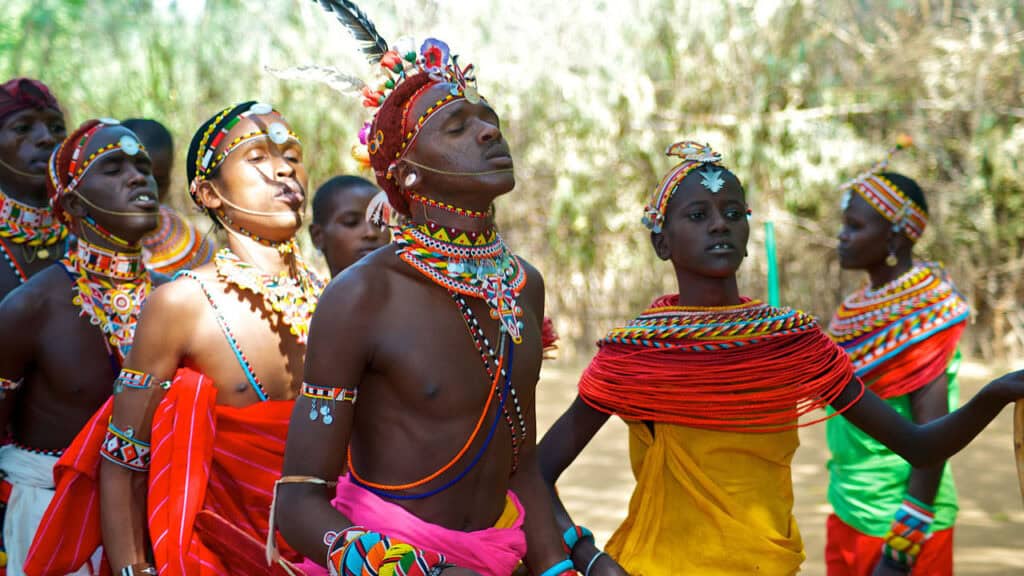
Close relatives of the Maasai, the Samburu inhabit the arid northern regions south of Lake Turkana. They speak Maa and share many Maasai traditions, but with distinctive variations that make them culturally unique.
The “Butterfly” Nickname:
The Samburu earned this poetic name from their brilliantly colored traditional dress. Their clothing is even more vibrant than the Maasai, with each color carrying specific meaning:
- White: Purity and cleanliness
- Yellow and Orange: Hospitality and warmth
- Red: Courage, danger, and unity
- Blue: Energy and the sky
Jewelry as Identity:
Samburu adorn themselves with stunning beadwork, anklets, necklaces, armbands, and bracelets in intricate patterns. For women especially, jewelry indicates beauty and wealth. The more necklaces a girl wears, the more beautiful and marriageable she’s considered.
Distinctive Practices:
Hair: Warriors grow their hair long and coat it with red ochre and animal fat, creating elaborate hairstyles. Elder men and most women shave their heads completely.
Housing: Similar to Maasai, they live in semi-permanent manyattas housing 4-10 families. These are dismantled and rebuilt as the community migrates seeking pasture.
Diet: Primarily milk and blood, supplemented by soup made from tubers. Meat is reserved for ceremonies. Unlike many communities, Samburu consider fish sacred and don’t eat them.
Religion: Believe in Nkai (God) and consult two types of spiritual leaders:
- The Loibon (community wizard) for illness, infertility, and livestock disease
- The Soothsayer for rainmaking and dream interpretation
Ceremonies: The imugit warrior graduation ceremony marks warriors’ transition to elderhood after 10 years of service, finally allowing them to marry.
The Turkana: People of the Caves
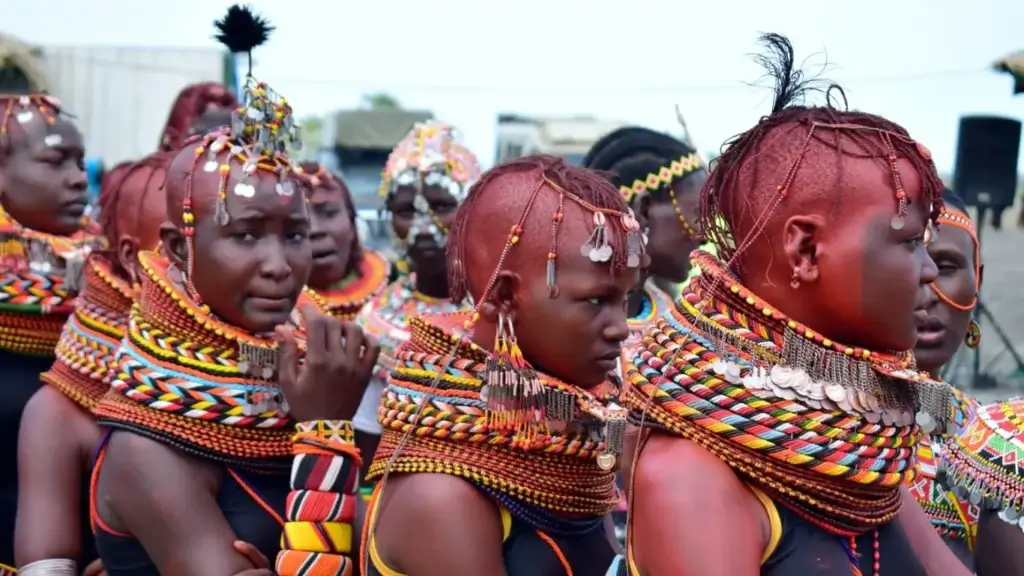
Native to the harsh landscapes of northwestern Kenya around Lake Turkana (the “Jade Sea”), the Turkana have adapted to one of Africa’s most challenging environments—a region so archaeologically significant it’s called the “Cradle of Mankind.”
Origin of the Name:
“Turkana” comes from “Turkwen”—meaning “people of the caves”—referring to their ancestors’ use of natural rock shelters in the region’s volcanic landscape.
Adaptation to Harsh Conditions:
The Turkana region is extremely arid, characterized by sandy plains, volcanic rocks, and temperatures regularly exceeding 40°C (104°F). Water is so scarce that the Turkana have developed unique conservation practices, using animal fat for cleaning rather than precious water.
Distinctive Cultural Features:
No Circumcision: Unlike most neighboring pastoralist communities, Turkana don’t practice circumcision as a rite of passage—a significant cultural difference.
Remarkable Jewelry: Turkana women wear incredibly heavy necklaces—some weighing up to 10 kilograms (22 pounds)! These aren’t just decoration; they’re wealth, status symbols, and art.
Hair and Adornment: Women shave the sides of their heads and wear elaborate beaded “hats” in the center. Warriors create distinctive bun-shaped hairstyles using clay and ochre, decorated with ostrich feathers.
Metalwork: Turkana men are skilled metalworkers, creating necklaces and earrings for various ceremonial and daily purposes.
Housing: Huts constructed from wood, palm leaves, and animal skin—materials suited to their semi-nomadic lifestyle.
Clothing: Simple but distinctive. Men wear cloth tied on one shoulder; women wear two pieces wrapped around chest and waist. Women create decorated leather skirts through skilled leatherwork.
Skin Care: Mix animal fat with red ochre and scented leaves to protect skin from sun and insects—essential in the harsh climate.
Livelihood: Primarily pastoralists, but also farm, hunt, and collect honey. They trade these goods with neighbors for corn flour and other products.
Religious Beliefs: Worship Akuj (God). The Council of Elders makes decisions and presides over rituals. Diviners called “emuruon” provide spiritual guidance during calamities and blessings.
The Kalenjin: Kenya’s Running Champions
The Kalenjin people of the Rift Valley have achieved something remarkable: dominance in global long-distance running. This Highland Nilotic group produces more Olympic and world champion runners than virtually any other population on Earth.
Who Are They?
The Kalenjin aren’t a single tribe but 11 culturally and linguistically related sub-groups: Kipsigis, Nandi, Keiyo, Marakwet, Sabaot, Pokot, Tugen, Terik, Sengwer, Lembus, and Ogiek.
Why So Many Champions?
Several factors contribute:
- High-altitude training: Living at 2,000+ meters elevation
- Body morphology: Generally slim build with slender, efficient legs
- Cultural tradition: Running was historically essential for communication and cattle herding
- Economic motivation: Athletics offers path out of poverty
Traditional Diet:
Kimyet: Ugali made from maize or millet flour, sometimes mixed with sorghum
Mursik: Fermented milk with a unique twist—it’s prepared in a calabash gourd (sotet) lined with soot from specific trees (itet), giving it distinctive smoky flavor
Native vegetables: Various indigenous greens
Economic Life:
Traditionally raised cattle, sheep, and goats while cultivating maize, sorghum, and pearl millet. Modern Kalenjin have diversified into agribusiness, athletics, and various professional fields.
Religion:
Traditional belief centers on Asis or Cheptalel (supreme god), represented by the sun. Beneath Asis is Elat, who controls thunder and lightning. Christianity has widely been adopted, though traditional beliefs persist.
Coastal Culture: The Swahili Heritage
Kenya’s coast tells a different cultural story—one of trade, Islam, and cultural fusion spanning over 1,000 years.
The Swahili People:
Not a single tribe but a cultural identity formed from centuries of interaction between African, Arab, Persian, and Indian Ocean traders. The Swahili language (Kiswahili) became East Africa’s lingua franca—a Bantu language with heavy Arabic influence.
UNESCO World Heritage Sites:
Lamu Old Town: A 14th-century Swahili settlement with intact traditional architecture, narrow coral stone streets, and no motor vehicles. It’s the oldest and best-preserved Swahili settlement in East Africa.
Fort Jesus, Mombasa: A 16th-century Portuguese fortress showcasing Renaissance military architecture and the complex colonial history of East Africa’s coast.
Sacred Mijikenda Kaya Forests: 11 sacred forest sites containing fortified villages (kayas) established by Mijikenda people in the 16th century. Though abandoned by the 1940s, they remain spiritually significant, maintained by councils of elders.
Coastal Arts:
- Architecture: Distinctive coral stone buildings with carved wooden doors, inner courtyards, and Arabic influences
- Cuisine: Blend of African, Arabian, and Indian flavors—coconut, spices, rice, and seafood
- Music: Taarab—poetic songs with Arabic and Indian musical influences
Crafts: Intricate woodcarving, especially the famous Zanzibar doors
Experiencing Swahili Heritage in Lamu and Mombasa
Kwezi Safaris includes coastal extensions in several Kenya itineraries — particularly the 12-day Kenya Wildlife and Beach Safari, which ends with three nights on the Kenyan coast. Lamu Old Town, a UNESCO World Heritage Site and the oldest continuously inhabited Swahili settlement in East Africa, is accessible by short flight from Nairobi and requires a full day minimum to walk properly.
Fort Jesus in Mombasa is an hour from most south coast beach properties and provides the clearest single-site window into the layered colonial and pre-colonial history of the East African coast. Paul Kimiri, who leads our eco and cultural itineraries, guides Mombasa Old Town walks on request.
Explore our Kenya coast and cultural itineraries
Kenya’s Endangered Cultures
The El Molo: Africa’s Smallest Tribe
With fewer than 5,000 members, the El Molo of Lake Turkana are critically endangered. Traditionally fishermen in one of Africa’s harshest environments, they’re rapidly assimilating into surrounding communities, putting their unique language and practices at risk.
The Suba of Rusinga Island
Their language is on UNESCO’s endangered list. The annual Rusinga Island Festival works to preserve Suba traditions through cultural performances and youth education—a race against time to maintain linguistic diversity.
Living Culture: More Than Museums
Kenya’s cultural heritage isn’t relegated to museums (though the National Museums of Kenya in Nairobi are excellent). It’s vibrantly alive in:
Bomas of Kenya
Located in Nairobi, this cultural center showcases traditional homesteads (bomas) from various tribes. You can experience different architectural styles, watch cultural performances, and see how diverse communities traditionally lived, all in one location.
Best Tourism Villages
Kenya participates in UN Tourism’s “Best Tourism Villages” initiative, recognizing rural communities that preserve authentic cultural experiences:
- Olorgesailie Prehistoric Site (Magadi Road)
- Majimoto Village (Narok County)
- Loropio Village (Turkana County)
- Kampi ya Samaki Village (Baringo County)
- Marafa Hell’s Kitchen & Robinson Island (Malindi)
These villages maintain traditional architecture, cuisine, clothing, music, dance, and lifestyles while welcoming visitors for ethical cultural tourism.
Common Elements Across Cultures
Despite remarkable diversity, certain values unite Kenyans:
Harambee Spirit: “Pulling together”—communal cooperation and mutual support
Respect for Elders: Age brings wisdom; elders make important decisions across nearly all communities
Kinship Ties: Extended family remains central to identity and social organization
Oral Traditions: Storytelling, proverbs, and songs preserve history and teach values
Rites of Passage: Birth, circumcision/initiation, marriage, and death remain heavily influenced by traditional practices
Entrepreneurship: From city markets to rural villages, Kenyans demonstrate remarkable business acumen and resilience
Kenyan Arts, Crafts & Cuisine
Traditional Arts & Crafts
Kenya’s cultural heritage is beautifully expressed through artisan crafts:
- Maasai beaded jewelry: Intricate necklaces, bracelets, and earrings in traditional patterns
- Kamba wood carvings: Elaborate animal sculptures and masks
- Sisal baskets: Woven by various communities for storage and sale
- Soapstone sculptures: From Kisii, featuring animals, people, and abstract forms
- Musical instruments: Drums, nyatiti (Luo lyre), flutes
- Kangas: Women’s wraparound cloths with Swahili proverbs printed on borders
- Kikois: Colorful cotton sarongs
Batik art: Hand-dyed fabrics with traditional and contemporary designs
Common Kenyan Foods
Staples:
- Ugali: Stiff maize or millet porridge (the national staple)
- Chapati: Indian-influenced flatbread
- Rice and pilau: Often with coastal spices
Proteins:
- Nyama choma: Grilled meat (especially goat)—Kenya’s unofficial national dish
- Samaki: Fish, especially tilapia and omena (sardines) near lakes
- Beef and chicken
Vegetables:
- Sukuma wiki: Collard greens (literally “stretch the week”)
- Managu, terere, kunde: Various indigenous greens
Coastal Specialties:
- Mahamri: Slightly sweet fried bread
- Bhajia: Spiced fritters
Biryani and pilau: Rice dishes with Arabic-Indian influences
Language Diversity
Kenya is incredibly linguistically diverse:
National Language: Swahili (Kiswahili)—spoken by nearly all Kenyans
Official Language: English—used for business, education, government
Tribal Languages: 40+ distinct indigenous languages
Urban Slang: Sheng—a dynamic mix of Swahili, English, and tribal languages popular among youth and increasingly used in advertising and politics
Average Kenyan: Speaks 3+ languages fluently
How to Experience Kenya’s Cultural Heritage
Cultural Village Visits: Many communities welcome visitors to authentic experiences (book through reputable operators)
Attend Festivals: From Lamu Cultural Festival to Lake Turkana Cultural Festival (see our complete festivals guide)
Visit Museums: National Museums of Kenya, Lamu Museum, Fort Jesus
Stay in Cultural Homestays: Some communities offer overnight experiences
Support Local Artisans: Buy directly from craftspeople when possible
Learn Basic Swahili: Even a few phrases open doors to deeper connections
Hire Cultural Guides: Local guides provide context you’ll miss otherwise
Respectful Cultural Tourism
Do:
- Ask permission before photographing
- Dress modestly, especially in Muslim coastal areas
- Remove shoes when entering homes
- Accept offered hospitality graciously
- Buy crafts at fair prices
- Show genuine interest in learning
Don’t:
- Assume all Kenyans are the same
- Treat communities as tourist attractions
- Give money or gifts directly to children
- Wear revealing clothing in rural/traditional areas
- Bargain aggressively with artisans
- Expect everyone to speak English
Frequently Asked Questions About Kenya’s Cultural Heritage
Which tribes are most famous in Kenya? The Maasai are Kenya’s most internationally recognised community, known for their distinctive red shukas, warrior tradition, and territory across southern Kenya and northern Tanzania. The Samburu, Turkana, Kalenjin, Kikuyu, Luo, and Swahili coastal communities are equally significant — each with distinct traditions, languages, and histories. Kenya has over 40 recognised ethnic groups.
Can tourists visit Maasai villages in Kenya? Yes, and many do as part of safari itineraries near Amboseli and the Maasai Mara. The most meaningful visits are arranged through tour operators who work directly with community-appointed hosts rather than commercial village displays. Kwezi Safaris coordinates community visits as part of multi-day Kenya itineraries, ensuring visits are mutually beneficial and culturally respectful.
What is Kenya’s most important cultural festival? The Lake Turkana Cultural Festival, held annually in Loiyangalani, brings together over 14 ethnic communities from Kenya’s northern region — including Turkana, Samburu, El Molo, and Rendille peoples. The Lamu Cultural Festival on the coast celebrates Swahili heritage with donkey races, dhow sailing, and traditional music. A full calendar of Kenya’s cultural festivals is covered in our dedicated guide.
What languages are spoken in Kenya? Swahili (Kiswahili) is Kenya’s national language and is spoken by nearly all Kenyans. English is the official language used in business, education, and government. Beyond these, Kenya has over 40 indigenous languages across Bantu, Nilotic, and Cushitic language families. Most urban Kenyans also speak Sheng, a fluid mix of Swahili, English, and tribal languages that evolves continuously.
Is Kenya’s cultural heritage UNESCO recognised? Yes. Kenya has seven UNESCO World Heritage Sites, three of which are primarily cultural: Lamu Old Town (the oldest and best-preserved Swahili settlement in East Africa), Fort Jesus in Mombasa (a 16th-century Portuguese fortress), and the Sacred Mijikenda Kaya Forests (11 sacred forest sites maintained by councils of Mijikenda elders).
How do I respectfully engage with Kenyan communities as a tourist? Ask permission before photographing anyone. Dress modestly in rural and coastal areas. Accept offered hospitality graciously — refusing tea or food is considered impolite in most communities. Buy crafts directly from the artisans who made them. Hire local cultural guides rather than relying solely on your safari guide for cultural context. Avoid giving money or sweets directly to children.
Final Thoughts
Kenya’s wildlife safaris earn the headlines. The cultural encounters are what people describe when they get home.
Forty ethnic communities. Three thousand years of documented tradition. A coast shaped by Arab traders, Portuguese navigators, and Swahili merchants. A northern frontier where the human archaeological record extends further back than anywhere else on Earth. A running culture that has produced more world champions than any equivalent population in history.
None of this requires a separate itinerary. George Nchau and the Kwezi Safaris team build cultural encounters directly into safari routes — a Maasai community visit before the afternoon game drive, a Lamu extension after the wildlife circuit, a Samburu cultural briefing from guides who know the community personally rather than professionally.
If you are planning a Kenya safari, tell us which communities interest you most. We will build the cultural layer into your itinerary from the start rather than adding it as an afterthought.
Contact Kwezi Safaris to plan your Kenya cultural safari
Kwezi Safaris is licensed by the Kenya Tourism Regulatory Authority, a Travelife Partner, and a member of Eco-Tourism Kenya. Cultural visits are coordinated with community consent and benefit-sharing arrangements.