Breathtaking Tanzania Safari Secrets
That Will Absolutely Transform Your Soul
A storytelling journey through the Serengeti, Ngorongoro Crater & beyond
There is a moment — and every safari traveller knows it — when the engine cuts out, the dust settles, and the African savannah holds its breath around you. The sun hangs low and amber.
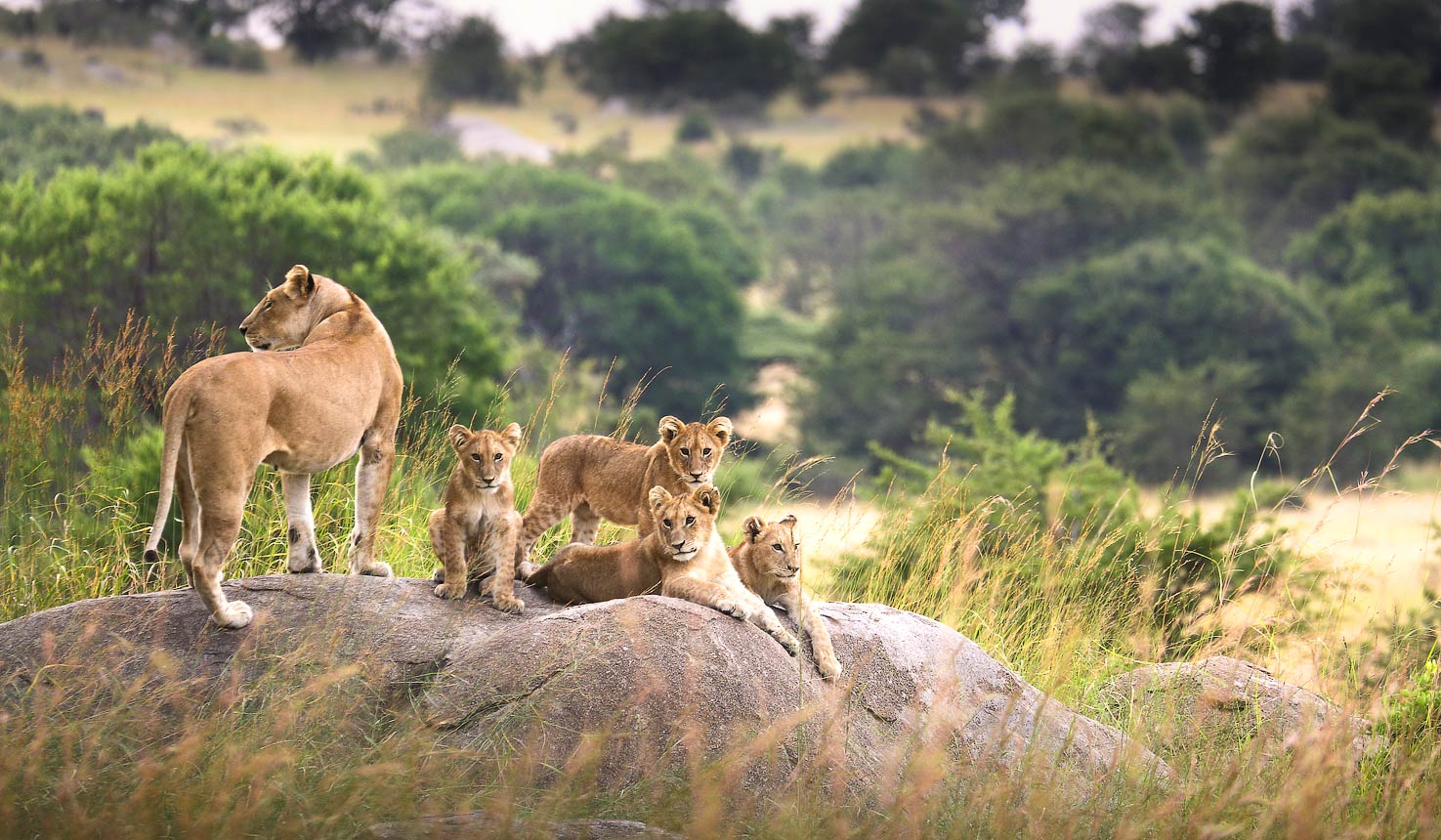
Somewhere in the tall grass, a lion exhales. And you realise, in the quiet thunder of that instant, that you have never truly been still before now.
That moment lives in Tanzania. Africa’s most celebrated safari destination is not just a place on a map. It is a feeling — ancient and alive, humbling and electrifying in the same breath. From the endless golden plains of the Serengeti to the impossible perfection of the Ngorongoro Crater, a Tanzania safari is, quite simply, one of the most extraordinary experiences a human being can have on this earth.
Here are 7 breathtaking secrets of Tanzania’s wild heart — and why every single one deserves a place on your bucket list.
The Serengeti: Where the Earth Moves
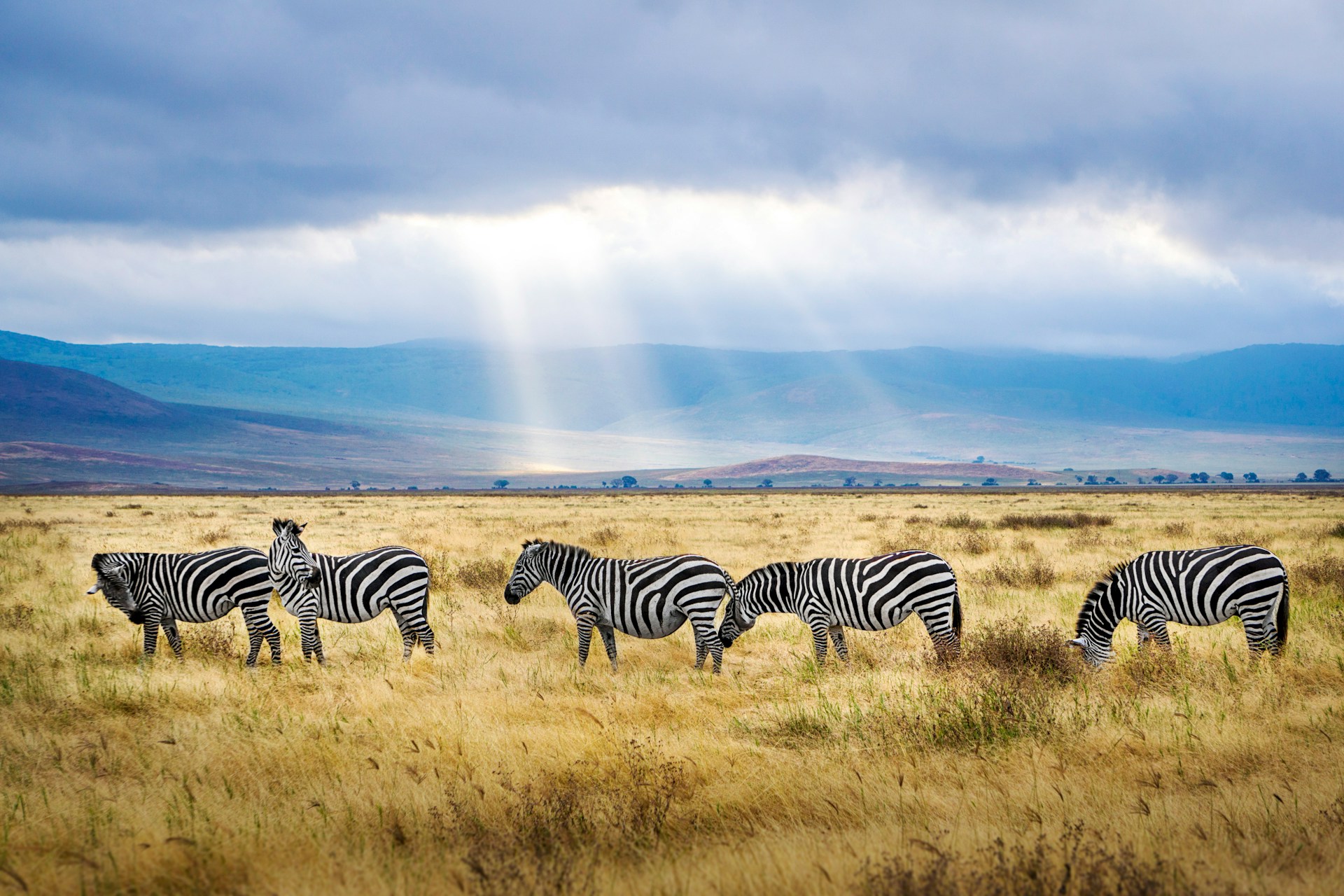
Most people come to the Serengeti for the Great Migration — and the Great Migration delivers. Every year, more than 1.5 million wildebeest, joined by hundreds of thousands of zebras and gazelles, pour across Tanzania’s northern plains in one of nature’s most astonishing annual spectacles. They cross crocodile-thick rivers. They brave open plains where predators wait with patient eyes. They move as one breathing, breathing thing.
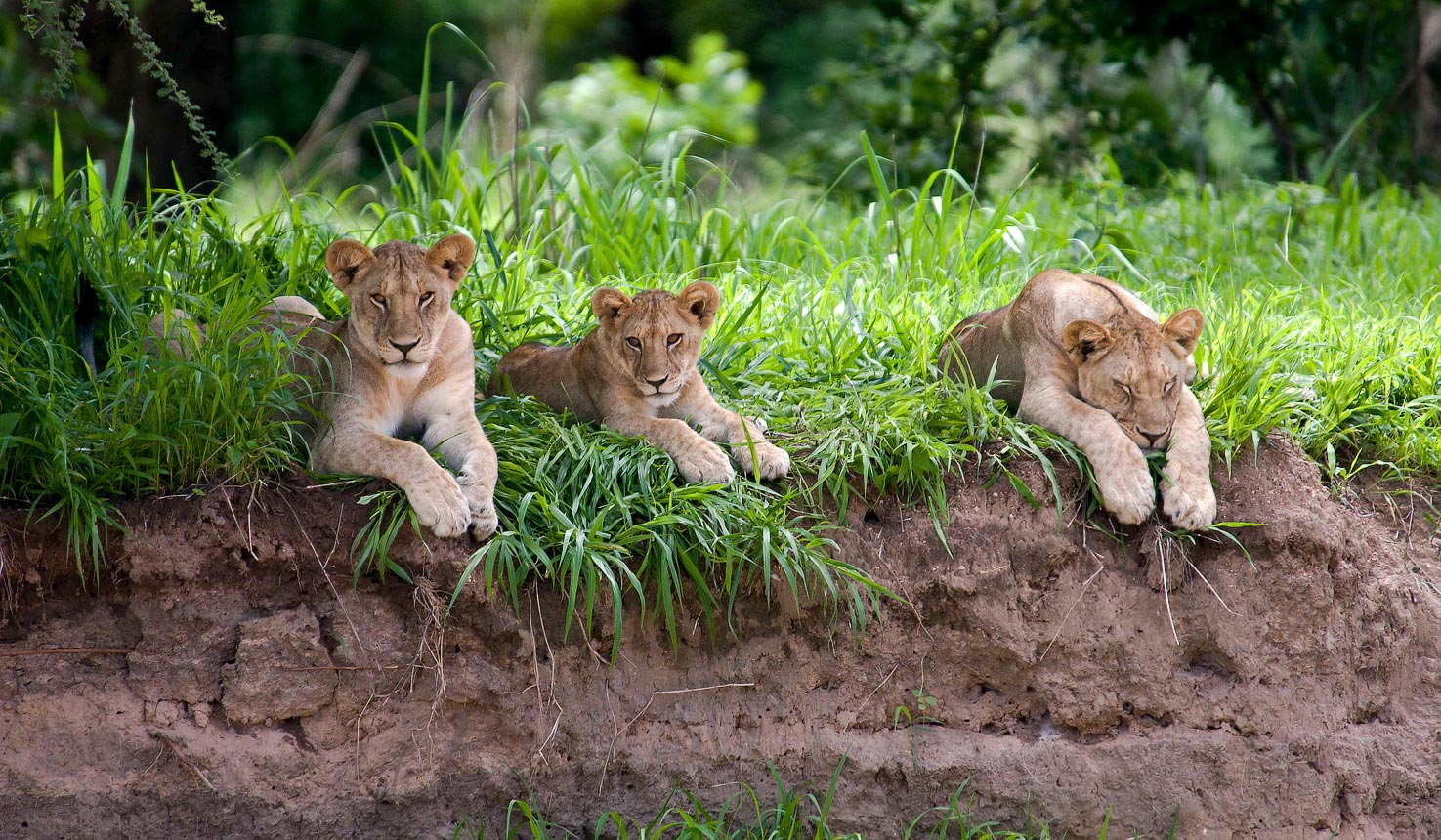
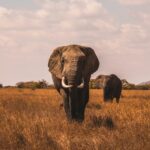
But the Serengeti’s greatest secret is what happens when the migration moves on. The park breathes differently in the quiet months. Lions sprawl under fever trees with the confidence of royalty. Cheetahs ghost through the golden grass. Bull elephants stride at dusk like ancient kings returning home. The Serengeti is not a destination with a single season — it is a living story, rewritten every morning at sunrise.
Ngorongoro Crater: The Garden That Time Forgot
Imagine descending into a world that exists entirely on its own terms. The Ngorongoro Crater — a UNESCO World Heritage Site and one of Africa’s most breathtaking African wildlife safari destinations — is a volcanic caldera so vast, so lush, and so teeming with life that it feels less like a place and more like a myth you’ve walked into.
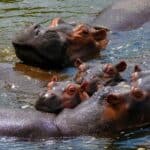
Inside its ancient walls live roughly 25,000 large mammals, including some of Africa’s last remaining black rhinos. Elephants move through acacia woodland with slow, deliberate grace. Flamingos paint the soda lake pink. Hippos grunt and wallow. And the predators — lions, hyenas, cheetahs — live here in extraordinary concentration, making Ngorongoro one of the finest big cat viewing spots on the continent.
Come at dawn, when mist rolls across the crater floor and the whole world looks newly made. You will not forget it.
Tarangire: The Land of Elephant Cathedrals
If the Serengeti is Tanzania’s headline act, Tarangire National Park is its best-kept open secret — and devotees of this park will tell you it rivals anything else in Africa. The defining image here is the baobab tree: immense, otherworldly, some of them thousands of years old, rising from the red earth like something between a sculpture and a cathedral.
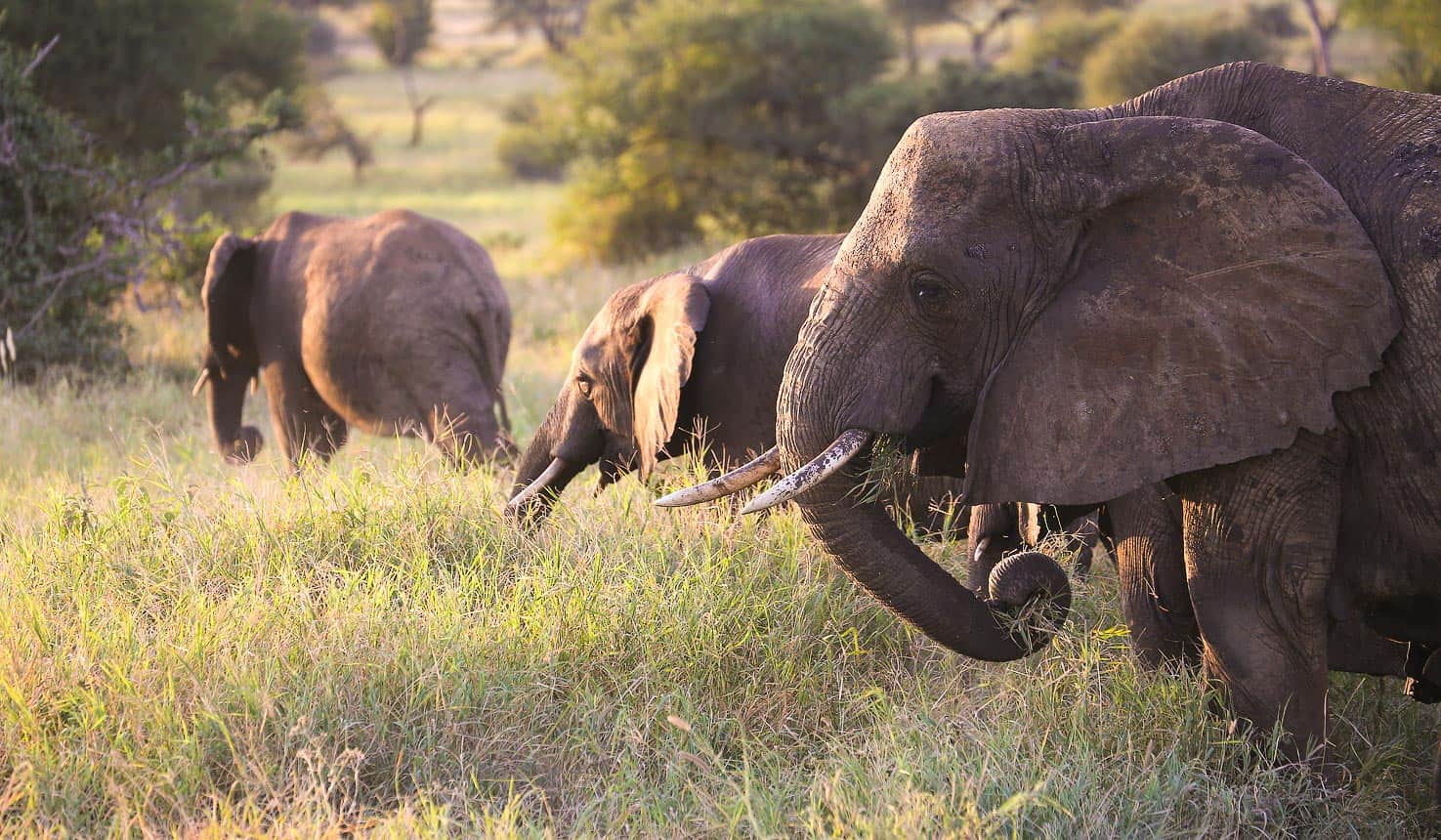
Beneath them wander Tanzania’s largest elephant herds outside of peak migration season. Tarangire’s elephants are legend — massive, bold, undisturbed. Watch them gather at the Tarangire River at dusk and you will understand why people return here year after year, quieter and more grateful each time.
Lake Manyara: The Miracle of the Flamingos
Tucked into the crease of the Great Rift Valley, Lake Manyara is the kind of place that stops conversations mid-sentence. Over 400 bird species call this small park home, and when the flamingos are in residence — thousands of them, painting the lake’s edge in impossible pink — it is one of East Africa’s most photogenic sights.
Lake Manyara also carries one of Tanzania’s most wonderful rumours: tree-climbing lions. These big cats, known nowhere else on earth to behave this way quite so consistently, drape themselves lazily across the branches of fig and acacia trees, watching the world go by from above. Whether science fully explains it or not, encountering one is pure magic.
Selous & Ruaha: The Wild, Unscripted South
For travellers who want to leave the tourist trail entirely behind, southern Tanzania is the answer. The Selous Game Reserve — one of Africa’s largest protected areas — offers a version of safari that feels genuinely wild. Walking safaris. Boat rides along the Rufiji River, where crocodiles sunbathe and hippos submerge like slow, grey submarines. No crowds. Just you, your guide, and the unedited African bush.
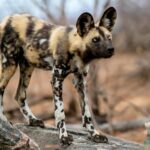
Further inland, Ruaha National Park is Tanzania’s great undiscovered masterpiece. Vast. Remote. Abundant with lion prides, wild dogs, and elephant herds moving through rugged baobab-scattered landscapes that look like they belong in another century. If you’ve seen the famous parks and hunger for something rawer, Ruaha will answer that call completely.
Kilimanjaro: Africa's Crown on the Horizon
You do not have to climb it to be moved by it. Mount Kilimanjaro, Africa’s highest peak, appears above the savannah on clear mornings like something from a dream — snow-capped, impossible, ancient. Whether glimpsed from a game drive vehicle or approached on foot along its forested lower slopes, Kilimanjaro lends every Tanzania safari a sense of scale and wonder that is entirely its own.
For those drawn to the summit, the climb is a profound physical and emotional journey — a story of altitude, perseverance, and the reward of standing above the clouds on the roof of Africa.
The Maasai: Where Culture Is the Safari
A Tanzania safari is not only a story of animals. It is a story of people. The Maasai — proud, vibrant, fiercely connected to their land — have lived alongside Tanzania’s wildlife for centuries, and a visit to a traditional Maasai village is one of the most genuinely moving experiences the country offers.
Watch the warriors leap in the adamu, the jumping dance. Listen to elders whose stories carry the weight of generations. Understand, in that red-earth courtyard, that conservation in Tanzania has always been a human story as much as a wildlife one. End in Zanzibar, where the spice-scented streets of Stone Town wind between Arabic arches and ocean light, and let the island ease you gently back into the world.
When to Go & How to Plan Your Tanzania Safari
The dry season — June through October — is widely considered the best time for a Tanzania safari, offering excellent wildlife visibility and prime Great Migration river crossing action in the northern Serengeti. However, the short rains of November and the green season (January to March) bring their own beauty: fewer crowds, lush landscapes, and extraordinary birdlife.
Allocate at least 8–10 days to do Tanzania justice, combining two or three parks for the richest experience. Pack neutral-toned layers for game drives, a quality camera, and a spirit of patience. The bush does not perform on demand — but it always, always rewards those who wait.
The Moment Finds You
That stillness — the cut engine, the amber light, the lion’s exhale — is not something you find on a Tanzania safari. It is something that finds you. Every single traveller who has sat in the quiet of the Serengeti at dusk will tell you the same thing: they went looking for the wildlife, and found themselves instead.
Tanzania is waiting. It has been waiting, in its patient, ancient way, for a very long time. And it is absolutely worth every step of the journey to get there.