There is a particular quality to the silence of the Serengeti just after dawn. Not emptiness, the opposite. It is the silence of a landscape that is fully, quietly alive. A lion lifts her head in the long grass. A herd of zebras moves slowly across the plain, their stripes catching the low morning light. Somewhere in the distance, a hyena calls.
Tanzania has this effect on people. It pulls something loose. For over twenty years, our team at Kwezi Safaris has been guiding travellers through some of the most extraordinary wild country in the world, and Tanzania remains, without question, the destination that takes the breath away most consistently. Our Tanzania safari tours are designed to showcase this beauty.
Why Tanzania Belongs on Your Safari List
Tanzania holds a rare distinction: it is home to some of the largest intact wild ecosystems remaining on earth. The Serengeti alone covers nearly 15,000 square kilometres of open grassland and woodland. The Selous, now known as the Nyerere National Park, is one of Africa’s largest protected areas. The Ngorongoro Conservation Area encompasses a volcanic caldera so rich in wildlife that it has been called the Garden of Eden, and for once, the hyperbole is earned.
What makes Tanzania particularly compelling in 2026 is not just what is there, but how you can experience it. The country has invested steadily in high-quality, low-impact tourism infrastructure. The camps and lodges that our team works with are smaller, more carefully positioned, and more genuinely immersive than the large-footprint operations you find in more heavily trafficked destinations. You are not looking at Tanzania through glass. You are in it.
The Serengeti: More Than a Name
Most people have heard of the Serengeti. Fewer understand just how different it can feel depending on when you go and where you are within it. If you’re looking to experience the best of this incredible destination, consider our Tanzania safari tours.
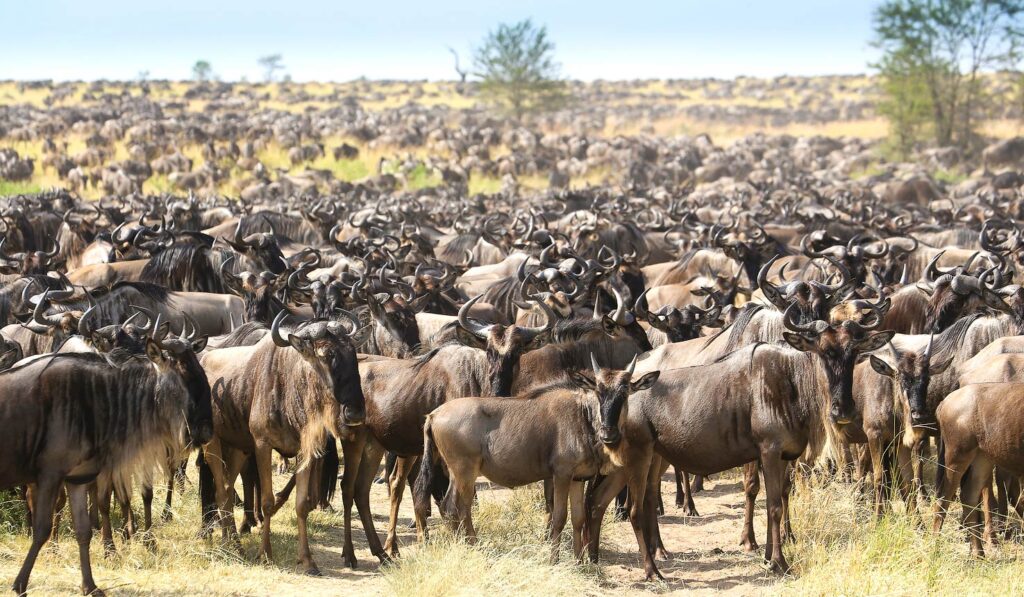
The southern Serengeti, around the Ndutu area, is where the calving season unfolds from late January through March. Hundreds of thousands of wildebeest give birth on these plains in a matter of weeks — an event that draws cheetahs, lions, and hyenas in extraordinary numbers. It is, in some ways, a more intimate spectacle than the famous river crossings: the drama is played out across a wide, open canvas, and the predator sightings during this period are among the best in East Africa.
By June and July, the herds have moved north, and the Grumeti and Mara River crossings begin. These are the images most people associate with the Great Migration — thousands of wildebeest plunging into crocodile-filled water, the chaos of hooves and spray, the crocodiles surging upward. Our Tanzania guide Laban Swai, who has spent years working the northern Serengeti, knows these crossing points the way a fisherman knows a river. He reads the movement of the herds days in advance, which matters enormously when you are deciding where to position yourself on any given morning.
The central Serengeti — the Seronera Valley — offers excellent year-round wildlife viewing, particularly for big cats. The resident lion prides here are well-studied and relatively easy to find. Leopards use the rocky outcrops as both resting spots and vantage points.
Best time to visit the Serengeti: January–March for calving; June–October for river crossings and dry-season predator viewing
Ngorongoro Crater: Wildlife in a World of Its Own
Twelve kilometres across and roughly 600 metres deep, the Ngorongoro Crater is a self-contained wildlife sanctuary unlike anything else in Africa. The walls of the caldera act as a natural enclosure — not a fence, but a geography. The animals that live here, largely, stay here. And what a collection they are.
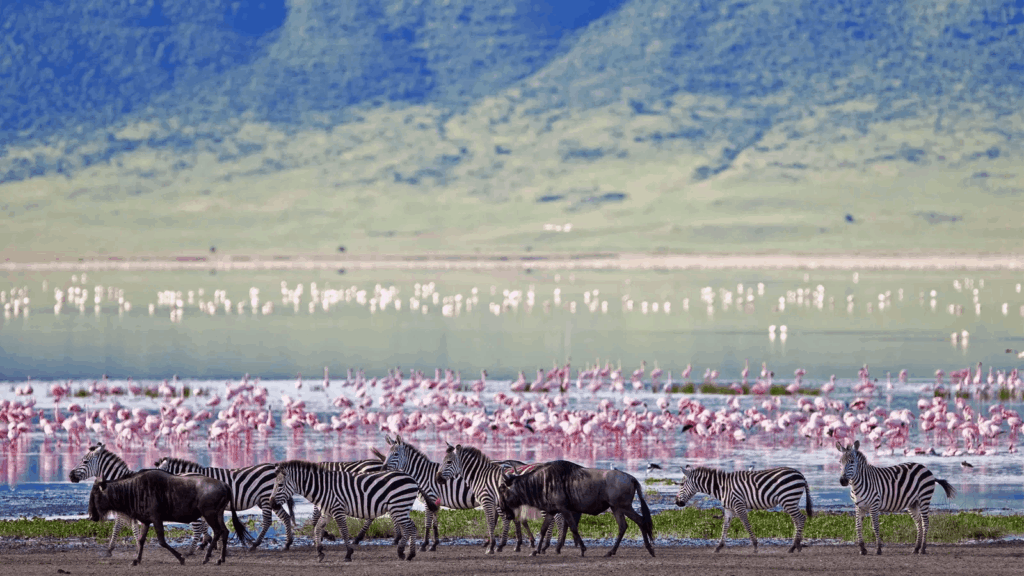
The Big Five are all present in Ngorongoro. The black rhino population, though small, represents one of Africa’s best opportunities to see this critically endangered animal in the wild. The lion prides are large and active. Elephants with tusks that approach the ground move through the crater floor in unhurried processions. Flamingos gather in pink clouds along the soda lake at the centre.
A morning in the crater is one of the most reliable wildlife experiences in Africa. You descend before the light builds, spend three or four hours moving through a landscape that feels like something from another time, and ascend back to the crater rim with your camera full and your perspective quietly shifted.
Ngorongoro pairs beautifully with the Serengeti on a Tanzania itinerary — the two sit less than two hours apart, and the contrast between the open plains of the Serengeti and the enclosed, lush world of the crater gives any trip a pleasing variety.
Tarangire: The Underrated Masterpiece
If you have not heard much about Tarangire National Park, that is partly what makes it worth knowing about.
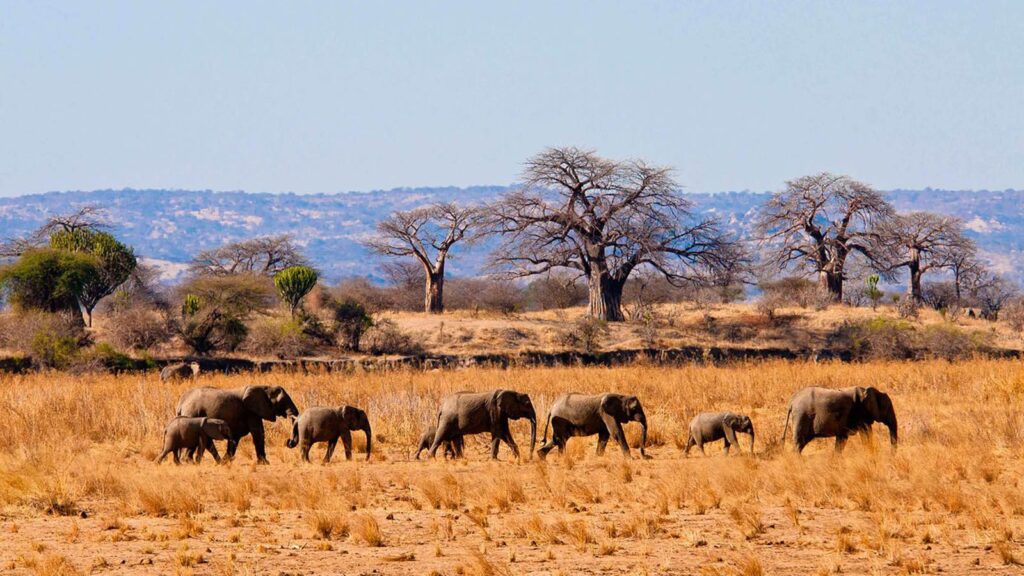
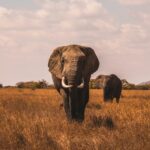
Tarangire does not carry the global name recognition of the Serengeti or Ngorongoro, but during the dry season — June through October — it may offer the finest elephant viewing in all of East Africa. The Tarangire River draws herds from miles around as other water sources dry up, and the concentrations of elephants you can see here — sometimes hundreds in a single afternoon — are extraordinary.
The landscape itself is distinctive: ancient baobab trees, some of them thousands of years old, rising from dry, golden grassland. It is a photographer’s environment. The light in the late afternoon turns everything amber, and the baobabs throw long, dramatic shadows across the plains.
Tarangire is also notable for its bird life — over 500 recorded species — and for the relative absence of the vehicle congestion that can affect the more famous parks during peak season. This is a park for travellers who want the wildlife without the crowds.
Lake Manyara: Where Lions Climb Trees
Lake Manyara National Park is compact, but it punches well above its size. The park is named for the alkaline lake that dominates much of its area — a lake that turns pink with flamingos during certain seasons and that creates a hauntingly beautiful backdrop to game drives along its shore.
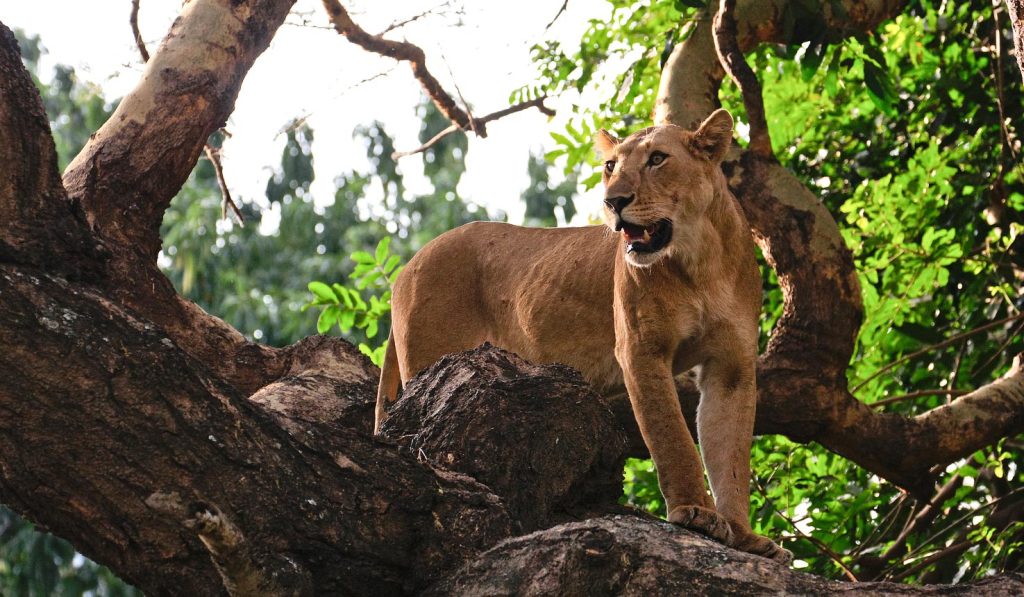
Manyara is most famous for its tree-climbing lions — a behaviour that is rare enough globally to be genuinely unusual. The lions here have long been observed resting in the branches of acacia and fig trees, an adaptation that researchers have linked to the thick bush and abundant insects at ground level. Watching a lion — an animal you associate entirely with the ground — recline in the fork of a tree ten feet above you is one of those moments that stays with you.
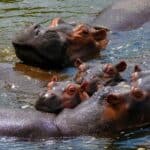
The park also offers excellent elephant viewing, large hippo pools, and some of the best birding in Tanzania.
The Cultural Thread: Travelling with Meaning
A Tanzania safari, at its best, is not only about wildlife. It is about understanding a place — its people, its history, its relationship between conservation and community.
The Maasai have lived alongside Tanzania’s wild country for centuries. Visiting a Maasai community — not as a staged performance, but as a genuine exchange — adds a layer to any safari itinerary that no game drive can replicate. You begin to understand that the wildlife you have come to see exists within a much larger human story.
Our eco-conscious consultant Paul Kimiri works with clients who want their travel to reflect their values — travellers who want to understand where their tourism spend goes and what it supports. Kwezi Safaris holds Travelife Partner status, and the camps and lodges we recommend are selected not only for the quality of the experience they offer, but for how they operate within their communities and environments. Conservation tourism, done properly, benefits the land and the people on it.
Zanzibar: The Natural End to Any Tanzania Journey
There is a satisfying logic to ending a Tanzania safari on the island of Zanzibar. After days of early mornings, long game drives, and landscapes that ask a great deal of your attention, the Indian Ocean has a way of absorbing it all.
Stone Town — Zanzibar’s historic capital and a UNESCO World Heritage Site — rewards a slow afternoon on foot. The narrow streets, carved wooden doors, and the scent of cloves and cardamom from the spice markets create an atmosphere that is unlike anywhere else in East Africa. It is a place with deep history, and it shows.
Beyond Stone Town, the beaches of the north and east coast offer calm, warm water and the kind of stillness that makes a good book and a cold drink feel like everything you need. For divers, the waters around Mnemba Atoll are home to a remarkable variety of marine life. For families, the calm lagoons of the east coast are ideal.
Zanzibar is not an add-on. It is a destination in its own right that, when placed after the Serengeti or Ngorongoro, completes something.
Planning Your 2026 Tanzania Safari Tourswith Kwezi Safaris
The best Tanzania safari itineraries are not assembled from fixed packages; they are built around you. Your travel dates, interests, pace, and what you most want to see all shape what the right trip looks like.
Our team — George, Laban, Diana, Paul, and the rest of the Kwezi family — brings genuine on-the-ground expertise to every itinerary we plan. We know these parks not from brochures but from time spent in them, in every season, across many years. That knowledge makes a real difference to the quality of your experience.
The best camps in Tanzania book out months in advance, particularly for peak season travel between June and October. If 2026 is when you want to go, the time to start planning is now.
Contact our team to begin building your Tanzania safari — we will handle every detail, from permits and logistics to the smaller touches that turn a good trip into an unforgettable one.