Why reducing emissions is only one part of protecting Africa’s wildlife, landscapes and communities.
Imagine planning an African safari: an itinerary built around your interests, elephants crossing the savannah at first light, and a memory card full of moments you will still be describing years from now. Now imagine learning that your journey was carbon neutral. Does that automatically make it a sustainable safari?
Not necessarily.
Carbon neutrality is an important ambition, but responsible safari travel asks for a wider view. The real question is not only how much carbon a journey emits or offsets. It is whether the whole experience leaves the places, wildlife and communities that make it possible better off than it found them.
At Kwezi Safaris, we believe sustainability begins long before a guest arrives in Africa and continues long after the journey ends. Here is what that looks like in practice, across seven stages of a safari.
1. Sustainability Begins With Your First Safari Enquiry
When a traveller sends that first enquiry email, sustainability is already part of the journey.
The decisions made while planning an itinerary shape transport, accommodation, activities, resource use and where tourism revenue ends up.
At Kwezi Safaris, we steer guests towards responsible choices: environmentally certified eco-lodges, community-based experiences and destinations with sound environmental management. We prioritise accommodation partners with credible sustainability commitments, including environmental certification where it exists.
We also plan for efficiency. Thoughtful routing cuts unnecessary driving and repeated transfers, and gives you more time to experience each destination properly rather than watching it pass from a vehicle window.
A safari should be designed around more than wildlife sightings. It should weigh the environmental and social consequences of every decision.
Five questions to ask any safari operator before you book:
- Which lodges on my itinerary hold an environmental certification, and which one?
- How is the route planned to avoid backtracking and long, empty transfers?
- How much of what I pay stays with the communities and conservancies on the ground?
- Is your company independently certified? (Kwezi is a Travelife Partner and a member of Eco-Tourism Kenya.)
- What do your guides do when a sighting becomes crowded or an animal shows signs of stress?
An operator who takes sustainability seriously will answer all five clearly.
2. Choosing Accommodation That Gives More Than Comfort
A lodge can be luxurious and environmentally responsible at the same time. The difference lies in how it manages energy, water, waste, food and its relationships with the communities around it.
Kwezi Safaris prioritises responsible accommodation partners and encourages every supplier to keep improving its sustainability practices.
Consider Emboo River Camp in Kenya’s Masai Mara. The camp runs entirely on solar power stored in batteries, with no back-up generator. Its game drives use electric safari vehicles charged on site, and food waste feeds biogas digesters that fuel the kitchen stoves. Even the decking is made from compressed cement bags and woven sugar sacks.
In northern Tanzania, Wondergarden shows another side of sustainability. Working with more than 1,500 smallholder farmers and Maasai communities across the Kilimanjaro region, it revives indigenous foods grown without synthetic fertilisers or pesticides, and supplies the kitchens of Hatari Lodge and Shu’mata Camp. The farmers own their gardens, their produce and their business relationships. Guests at Hatari can visit one of the gardens near Mount Meru for a tour and breakfast.
These examples show why sustainability cannot be measured through emissions alone. What happens to water, food, waste, land and community relationships matters just as much. You can see the properties we work with on our guides to eco-lodges in Tanzania and Tanzania safari lodges.
3. The Safari Vehicle: More Than a Carbon Calculation
Transport remains an important environmental consideration on any safari.
Kwezi Safaris uses customised 4×4 safari vehicles designed for comfort, safety and wildlife viewing. We maintain them regularly, monitor fuel consumption through Rubis Card systems and encourage fuel-efficient, responsible driving.
Efficient routing, the right vehicle for the group and good maintenance all reduce unnecessary fuel use.
We are also watching new technology closely. Electric safari vehicles, like those already running at Emboo River Camp, cut both emissions and engine noise in places where silence is part of the experience.
Responsible driving, though, is about more than fuel. Our guides keep a respectful distance, never chase animals and give them room to behave naturally. A sighting that costs an animal its hunt or its rest is not good.
4. Conservation: Does Your Safari Help Protect Wildlife?
A sustainable safari should help maintain the ecosystems that make wildlife tourism possible in the first place.
Kwezi Safaris supports conservation initiatives, community projects, tree planting and habitat restoration. Our team takes part in indigenous tree planting and national park clean-ups, and we create opportunities for guests to engage with conservation in ways that mean something.
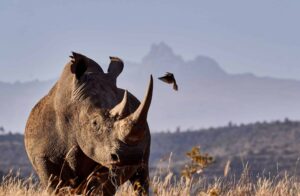
We also support work protecting elephants, rhinos, sea turtles and other wildlife across East Africa, from the Tarangire Elephant Project to Mkomazi’s black rhino sanctuary and Watamu Turtle Watch on the Kenyan coast.
Conservation, though, is not simply a matter of planting trees or buying carbon credits. Trees must suit their ecosystem, restoration should protect biodiversity, and every initiative should benefit the landscapes and people involved. That is why we favour indigenous species and community-led programmes such as the Green Belt Movement in Kenya.
Carbon offsetting can complement emissions reduction, but it should never replace the responsibility to cut avoidable emissions first. That principle sits at the heart of the University of Oxford’s Offsetting Principles, which put reduction before compensation.
5. Communities and Culture: The Human Side of Sustainability
What happens to the people who live alongside Africa’s wildlife?
Tourism becomes more meaningful when local communities help shape it and receive a fair share of what it earns.
At Kwezi Safaris, we encourage community-based experiences, respectful cultural encounters and tourism activities that benefit the people living closest to the parks. Our commitments also include supporting two community schools and a children’s home every year, alongside staff volunteering in environmental projects.
Wondergarden is a good example of tourism supporting culture without turning traditions into a performance for visitors. Its emphasis on locally owned gardens, indigenous knowledge and community participation shows that cultural continuity and ecological conservation can strengthen one another.
Responsible tourism should leave communities with opportunity, dignity and greater control over their own heritage.
6. Your Behaviour During the Safari Matters
Even the most responsibly organised safari can cause harm through careless visitor behaviour.
Avoid littering, feeding wildlife, asking for inappropriate animal encounters or encouraging your guide to chase animals for a photograph.
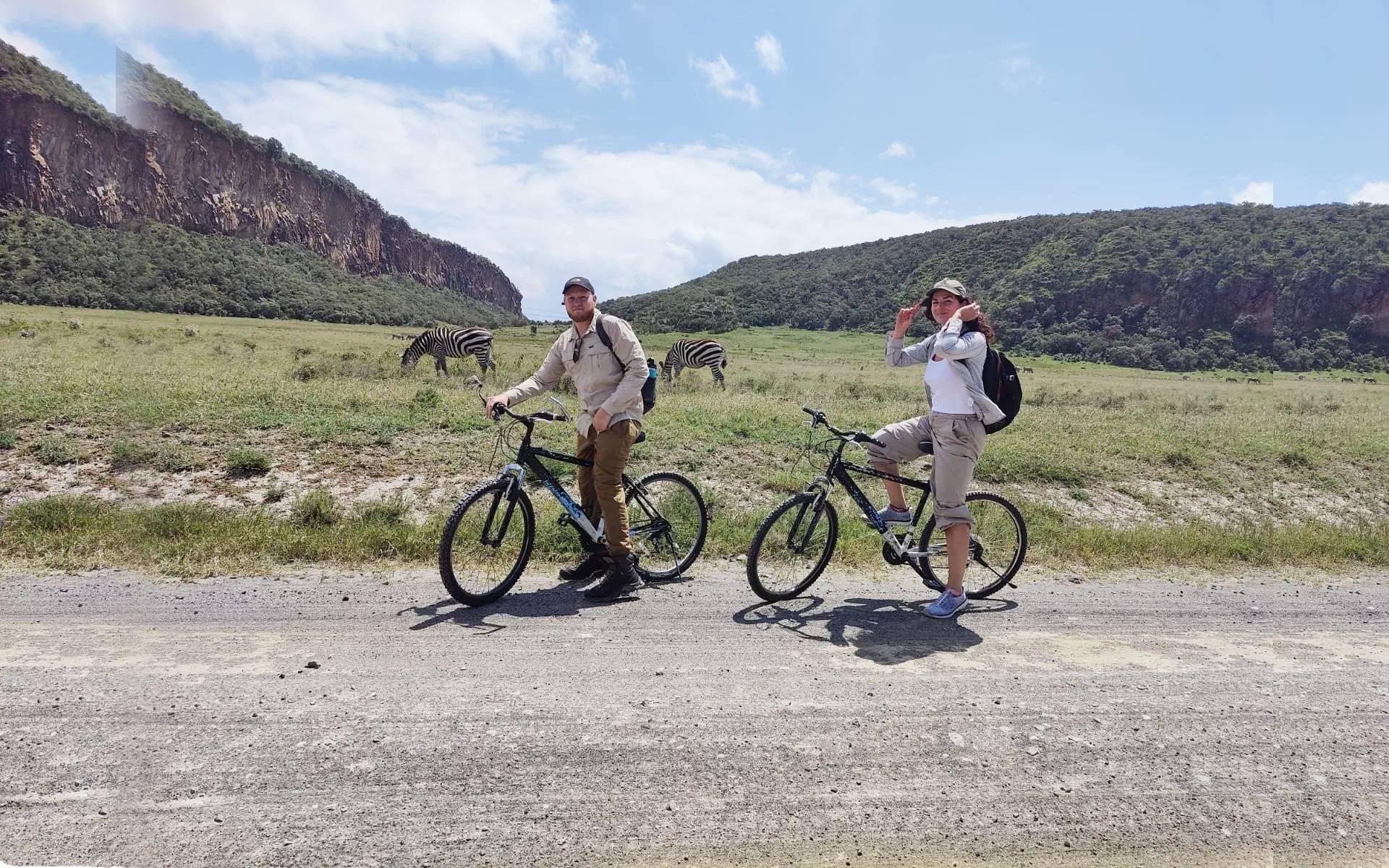
Respectful wildlife viewing means keeping an appropriate distance, staying quiet and letting animals move freely. Photography should document nature, not manipulate it.
When you visit communities, ask permission before photographing anyone, respect cultural boundaries and avoid sharing images that show people without dignity or context.
These small decisions protect both animal welfare and cultural integrity.
7. Sustainability Continues After Your Safari
When your safari ends, your responsibility does not end with it.
Before publishing wildlife photographs, consider whether they could reveal sensitive locations, particularly those of rhinos, nesting sites or other vulnerable species. Switch off geotagging and avoid posting locations in real time. In 2020, Kruger National Park asked visitors to turn off geotagging after warning that poachers use social media to track rhinos and elephants.
Share your photographs responsibly, celebrate the local conservation projects you saw and credit the people who made your experience possible.
Your stories can inspire other travellers to make more thoughtful choices.
Is Carbon Neutral Enough?
Carbon neutrality matters, but it is not the complete answer.
A sustainable safari reduces emissions, protects biodiversity, conserves resources, supports communities, respects cultures and promotes responsible wildlife encounters.
At Kwezi Safaris, sustainability is an ongoing commitment, not a destination reached through a single certificate or initiative. Our Travelife Partner certification, Eco-Tourism Kenya membership and sustainability policies guide how we improve our operations and our supply chain, year after year.
In the end, the most meaningful safari is not simply one that balances its carbon emissions. It helps Africa’s wildlife thrive, keeps its landscapes protected and lets its communities benefit from tourism for generations to come.
Because the true measure of a safari is not only what you experience, but what remains better because you travelled.
Plan a safari that leaves more behind. Tell us where you would like to go and what matters most to you, and our team will build a private itinerary around certified eco-lodges, efficient routes and real conservation experiences in Kenya or Tanzania. Start planning your sustainable safari.