Sustainable Tourism in Kenya: Protecting Kenya's Wild Heart
There’s a morning sound in the Maasai Mara that exists nowhere else on Earth, the collective breathing of a million wildebeest mingled with lion roars echoing across golden plains, overlaid with the haunting calls of fish eagles announcing dawn. This symphony, played out across Kenya’s magnificent landscapes for millennia, now faces threats that silence grows louder each year: water scarcity where rivers once flowed freely, air pollution dimming those legendary African sunsets, deforestation fragmenting wildlife corridors, and climate change disrupting the ancient rhythms that have sustained both wildlife and communities since time immemorial.
But here’s the beautiful truth that keeps hope alive: Kenya’s environmental challenges, while daunting, aren’t insurmountable. Each of us—whether running multinational corporations or small family businesses, teaching in classrooms or learning in them, guiding safaris or embarking on them—holds pieces of the solution. This isn’t about one hero saving the day. It’s about millions of small actions creating waves of positive change that together become tsunamis of transformation.
The Corporate Conscience: Business as a Force for Good
Imagine if every Kenyan company viewed environmental stewardship not as regulatory burden but as fundamental business strategy. Corporate environmental responsibility isn’t merely about compliance—it’s about recognizing that healthy ecosystems enable healthy economies, that the water we conserve today ensures operations continue tomorrow, that the air we protect sustains the workforce breathing it.
The path forward proves surprisingly straightforward: implement water conservation measures treating this precious resource with the respect scarcity demands. Install low-flow fixtures. Fix those “minor” leaks that collectively waste millions of liters annually. Treat wastewater before discharge rather than transferring pollution downstream to become someone else’s problem.
Transition to renewable energy—solar panels gleaming on warehouse roofs, wind turbines spinning in the highlands, geothermal power tapped from the Rift Valley’s volcanic heat. Kenya possesses abundant renewable resources; utilizing them reduces both carbon footprints and long-term energy costs while demonstrating that sustainability and profitability aren’t opposing forces but complementary strategies.
Digitize operations, reducing paper consumption while improving efficiency. Implement comprehensive recycling programs transforming waste from disposal problem into resource opportunity. These aren’t radical proposals—they’re common-sense practices that forward-thinking companies worldwide have proven both environmentally beneficial and economically advantageous.
Education: Planting Seeds of Environmental Stewardship
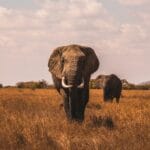
Walk into any Kenyan classroom and you’ll find our future—children whose decisions in coming decades will determine whether Kenya’s elephants still roam, whether the Mara’s lions still hunt, whether Kilimanjaro retains its snow cap. Environmental education isn’t optional curriculum addition; it’s essential preparation for the world these students will inherit and must protect.
Imagine learning institutions where every subject incorporates environmental awareness: mathematics calculating water conservation savings, literature exploring humanity’s relationship with nature, science investigating local ecosystem dynamics, and social studies examining how communities traditionally lived sustainably. This integrated approach embeds environmental consciousness across all learning rather than isolating it in occasional “environment day” celebrations.
Tree-planting campaigns transform abstract lessons into tangible action, students literally investing in their future with each seedling planted. Community conservation programs connect classroom theory to real-world practice, demonstrating that environmental protection isn’t distant abstraction but immediate necessity affecting their families, their communities, their futures.
Tourism: Loving Nature Without Destroying It
At Kwezi Safaris, we’ve witnessed firsthand tourism’s paradox: people travel to experience wild Africa, yet tourism itself can threaten the very wilderness they seek. Sustainable tourism in Kenya resolves this paradox by ensuring that visitor experiences enhance rather than degrade the environments and communities hosting them.
This means promoting eco-tourism programs developed collaboratively with local communities—ensuring that Maasai villages benefit directly from cultural visits, that conservancy revenues support both wildlife protection and community development, that tourism creates economic incentives for conservation and eco-tourism rather than exploitation.
It means educating tourists about responsible practices: respecting wildlife by maintaining appropriate distances, avoiding littering that mars pristine landscapes and threatens animals ingesting plastic, supporting local businesses rather than foreign-owned chains that extract wealth without leaving benefit, and choosing low-carbon transportation options like walking safaris and cycling tours over fuel-intensive activities.
Our sustainability policy details our commitment to these responsible practices, but policies mean nothing without implementation. We actively work with communities, train guides in conservation messaging, offset carbon emissions, support anti-poaching efforts, and constantly evaluate how we can minimize negative impacts while maximizing positive contributions.
Communities: Guardians of the Land
Kenya’s wildlife doesn’t survive despite local communities—it survives because of them. Community-based conservation recognizes that people living alongside wildlife must benefit from its presence, must have voices in management decisions, must be partners rather than adversaries in protection efforts.
Tree-planting campaigns restore degraded lands while creating carbon sinks. Waste management initiatives keep plastics from clogging waterways and littering landscapes. Water conservation efforts ensure precious resources sustain both human communities and wildlife populations. And critically, collaboration with wildlife authorities reporting illegal activities—poaching, trafficking, habitat destruction—creates networks of protection more effective than any government agency could achieve alone.
When communities prosper through conservation—through tourism employment, conservancy revenues, sustainable resource use—they become the most effective wildlife guardians imaginable. Their local knowledge, their constant presence, and their vested interest create protection that guards and fences never could.
Individual Actions: Small Steps, Giant Leaps
Every journey begins with single steps, and Kenya’s environmental transformation begins with individual choices multiplied across millions of people. Personal environmental responsibility isn’t about dramatic gestures—it’s about consistent small actions that collectively create massive impact.
Use public transportation, cycle, or walk instead of driving personal vehicles for every trip. Each car left parked reduces emissions, eases traffic congestion, and improves air quality marginally—but millions making this choice transforms cities.
Turn off lights and electronics when not in use. The electricity saved seems trivial individually but becomes significant collectively, reducing demand and enabling transition away from fossil fuel generation.
Adopt sustainable waste management: recycle everything possible, compost organic waste, refuse single-use plastics, repair rather than replace when feasible. Each piece of waste diverted from landfills extends their capacity while reducing resource extraction for replacements.
Tourists: Ambassadors for Change
Visitors to Kenya carry responsibilities extending beyond their holiday duration. Responsible tourism means respecting that you’re guests in ecosystems and cultures deserving reverence rather than casual disregard.
Never litter—carry out everything you carry in. Respect local cultures and traditions rather than treating communities as photo opportunities. Choose activities and operators prioritizing sustainability over profit maximization. Offset your flight’s carbon emissions. Support local businesses. And perhaps most importantly, return home as ambassador for conservation, sharing not just safari photos but commitment to protecting the magnificent places and wildlife that moved you.
Our Collective Future
Kenya’s environmental challenges—water scarcity, air pollution, deforestation, climate change—won’t resolve through wishful thinking or individual heroics. They require collective action: corporations investing in sustainability, schools teaching environmental stewardship, tourism promoting conservation, communities protecting their heritage, individuals making conscious choices, and tourists respecting the privilege of experiencing wild Africa.
At Kwezi Safaris, we’re committed to leading by example, but we can’t succeed alone. Join us in this crucial journey. Together, we ensure that morning symphony in the Mara continues playing for generations yet unborn.