How to Plan Your African Safari Vacation in 2026
Most people spend years thinking about an African safari before they actually book one. It lives in the background of their imagination, something they will do someday, when the timing is right, when they have figured out where exactly to go and what it will involve. And then one day, they go. And within hours of arriving, they wonder why they waited so long.
If you are in the planning stage right now, this guide is designed to make that process feel less overwhelming and more exciting. At Kwezi Safaris, we have been building East African itineraries for over two decades. What follows is the practical, honest advice we give our clients when they first come to us — the things that actually matter when planning a safari that delivers.
An African safari vacation is not just a trip; it is a journey into the heart of nature, where you can witness incredible wildlife and stunning landscapes. Many travelers find that their African safari vacation exceeds their dreams, providing unmatched experiences.
Why East Africa Belongs at the Top of Your List
Africa is a continent, not a country, and the range of safari experiences it offers is enormous. Southern Africa, West Africa, and the Horn each region has its own character. But for first-time safari travellers, and for many who return again and again, East Africa remains the benchmark.
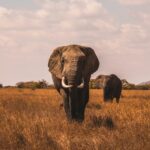
Kenya and Tanzania together offer something that is genuinely difficult to find elsewhere: a combination of sheer wildlife density, landscape variety, and cultural depth that consistently exceeds expectations. The Serengeti and the Maasai Mara share one of the world’s great wildlife spectacles, the Great Migration, across a single ecosystem that straddles both countries. Amboseli gives you elephants against Kilimanjaro. Ngorongoro gives you the Big Five in a volcanic crater. Rwanda and Uganda give you mountain gorillas in dense forest.
For travellers who want to extend their journey, Zanzibar and Diani Beach offer Indian Ocean coastline that makes for a natural, deeply satisfying end to any wildlife itinerary.
This is where we work, and where our expertise runs deepest.
Choosing the Right Destination
The single most important decision in planning an African safari is where to go, and that decision should be driven by what you most want to experience, not by what is most famous.
Kenya suits travellers who want a well-rounded introduction to East Africa. The Maasai Mara is world-class for big cat sightings. Amboseli is unmatched for elephant photography with Kilimanjaro as a backdrop. Samburu, in the north, offers a drier, more remote landscape and species you will not find further south. Our director George Nchau has guided Kenya safaris for over 20 years and builds itineraries that go well beyond the obvious routes.
Tanzania is the choice for travellers who want the full sweep — the Serengeti, Ngorongoro, Tarangire, and the coast. It is a bigger commitment in terms of distances, but the rewards match. Laban Swai, our Tanzania guide, brings a level of field knowledge to the Serengeti that transforms what you see and understand.
Uganda and Rwanda are for travellers who specifically want to track mountain gorillas, or who are returning to East Africa and looking for something that sits outside the traditional safari experience. These destinations are more logistically involved but deliver some of the most profound wildlife encounters available anywhere on earth.
If you are genuinely unsure where to start, tell us what moves you — whether that is a specific animal, a landscape, a cultural experience, or a feeling — and we will build from there.
For those seeking the perfect African safari vacation, knowing what to look for in a destination is crucial. Different regions offer unique experiences that cater to various interests.
The Best Time to Go
Planning your African safari vacation involves understanding the best times to visit. Each season has its own advantages that can enhance your wildlife viewing experience.
Timing matters on a safari, but the good news is that East Africa offers excellent wildlife viewing year-round. The question is not whether you will see animals — you will — but which experiences you want to prioritise.
June to October is the dry season across most of East Africa, and it is the period most experienced safari travellers prefer. Vegetation is lower, animals gather around permanent water sources, and the dust-gold light of the dry season makes for exceptional photography. This is also when the Great Migration river crossings occur in the northern Serengeti and Maasai Mara — roughly July through September, though the herds move on their own schedule.
January to March brings the short dry season, the calving season in the southern Serengeti, and some of the finest predator activity of the year. It is also a quieter period at many camps, which can mean more attentive service and slightly more competitive rates.
November and April through May are the two rainy periods. The landscape is extraordinarily green, the birdlife is at its most spectacular, and the parks are at their least busy. Some tracks become difficult, and a few remote camps close entirely — but for the right traveller, the wet season has a particular beauty that the dry season cannot offer.
For gorilla trekking in Rwanda or Uganda, the dry seasons — June to September and December to February — offer the easiest trekking conditions, though the permits are available year-round.
Types of Safari Experience
Your choice of safari experience will shape your African safari vacation. Whether you prefer game drives or walking safaris, each option offers a unique perspective of the wildlife.
Not all safaris look the same, and the experience you have is shaped significantly by the format you choose.
Game drives remain the foundation of most East African safaris, and for good reason. A well-guided game drive in a properly equipped 4×4, with an experienced guide who knows the terrain and the animals, is simply the most effective way to see wildlife. The difference between a good guide and a great one is not just what you see — it is what you understand about what you are seeing.
Walking safaris offer a completely different relationship with the bush. You move slowly, you pay attention to things that pass unseen from a vehicle — tracks, insects, plants, the way the wind shifts — and you experience the landscape from the ground up. Walking safaris are available in certain parks and conservancies in Kenya and Tanzania, and they are particularly well-suited to travellers who want more than passive observation.
Hot air balloon safaris over the Serengeti or Maasai Mara offer a perspective that is genuinely unlike anything else: the silence of the balloon drifting above the plains, the shadow moving slowly across the grass below, the animals moving as they do when nothing is watching from the ground. It is an early start and a significant addition to an itinerary budget, but for those who do it, it consistently ranks among the highlights of their trip.
Gorilla trekking is in a category of its own. The trek itself — through forest, often on steep ground — is part of the experience. When you find the gorilla family, you have one hour with them. It is enough.
Choosing Your Accommodation
The camp or lodge you stay in shapes your safari as much as the park you are visiting. This is not about spending the most money — it is about choosing the right fit.
Smaller, owner-managed camps with ten or twelve tents typically offer a more personal experience than larger properties. Your guide knows your name. The itinerary bends around what you saw that morning or what you want to find in the afternoon. Meals are eaten together, and the conversations that happen over dinner — between guides, trackers, and guests — are often where the real education begins.
Larger lodges have their own advantages: more facilities, greater availability, and in some cases extraordinary locations. The choice depends on your travel style.
Our travel consultant Diana Muimi has an encyclopaedic knowledge of accommodation across East Africa and matches properties to clients based on genuine fit rather than commission. She will ask the right questions before making any recommendations.
Choosing the right accommodation is key to a successful African safari vacation. The right camp can enhance your experience significantly.
What to Pack
A practical safari packing list does not need to be complicated. The key principles are neutral colours — khaki, olive, tan — to avoid startling wildlife and to stay cooler in the sun. Layers matter more than weight, because mornings in the bush can be genuinely cold, even in the tropics.
The essentials: lightweight long-sleeved shirts and trousers, a warm fleece or light jacket, a wide-brimmed hat, high-factor sunscreen, a good insect repellent, comfortable closed-toe shoes for walking, and a pair of binoculars. For photography, bring what you know how to use rather than the most impressive kit available.
Leave the brightly coloured clothing at home. Bring less than you think you need — most camps have laundry facilities, and bush life rewards travelling light.
Packing for your African safari vacation should be practical and focused on comfort. Consider the climate and activities you will be doing during your trip.
A Note on Safety
Safety is paramount during your African safari vacation. Following guidelines ensures a memorable and secure experience while exploring the wilderness.
East African safaris are, in practice, extremely safe — millions of people travel to Kenya and Tanzania each year without incident. The risks that do exist are navigated by your guide, whose job it is to know them.
The essential rules are simple: follow your guide’s instructions, stay in the vehicle unless directed otherwise, keep a respectful distance from animals, and do not underestimate the importance of staying hydrated. The sun in East Africa is intense, and the days are long. Drink more water than you think you need.
Travel insurance that covers medical evacuation is important — not because emergencies are common, but because if one occurs, you want to be covered for a flight to Nairobi rather than treatment in a remote clinic.
Start Planning with Kwezi Safaris
Start your African safari vacation planning with the right insights. Our team is ready to guide you through an unforgettable journey tailored to your interests.
A well-planned safari is not just a holiday; it is an experience that reshapes the way you see the world. We do not sell packages. We build itineraries carefully, around the people who are going to take them.
George, Laban, Diana, Paul, Edward, and the rest of our team bring genuine East African expertise to every conversation. We know the parks across multiple seasons, across many years. When we make a recommendation, it comes from experience, not a brochure.
Get in touch with our team to start planning your 2026 African safari vacation. Tell us where you are starting from — even if that is just a feeling — and we will take it from there.