In the vast and vibrant landscapes of East Africa, nature performs a captivating dance, wildebeests thundering across the expansive Serengeti in an awe-inspiring migration, while striking pink flamingos grace shimmering soda lakes. The gentle rains breathe life into lush, emerald hillsides, creating stunning backdrops for unforgettable adventures.
For travelers who yearn for the quintessential safari experience, understanding nature’s rhythms is essential to planning the perfect journey. Whether you’re pursuing the breathtaking spectacle of the Great Migration, seeking intimate encounters with majestic wildlife, or gazing at golden sunsets that cast a warm glow over iconic Mount Kilimanjaro, timing your safari correctly transforms good trips into extraordinary ones.
This comprehensive guide unveils the rich offerings of each month across the diverse landscapes of Kenya, Tanzania, and Uganda. Prepare to be enchanted by the ever-changing beauty and myriad experiences that await you in this remarkable corner of the world.
As the new year unfolds, January brings tranquility to African landscapes under crisp, dry air adorned with vibrant greenery and sweet melodies of chirping birds. This month ranks among the best times for African safari experiences, particularly for birdwatching enthusiasts.
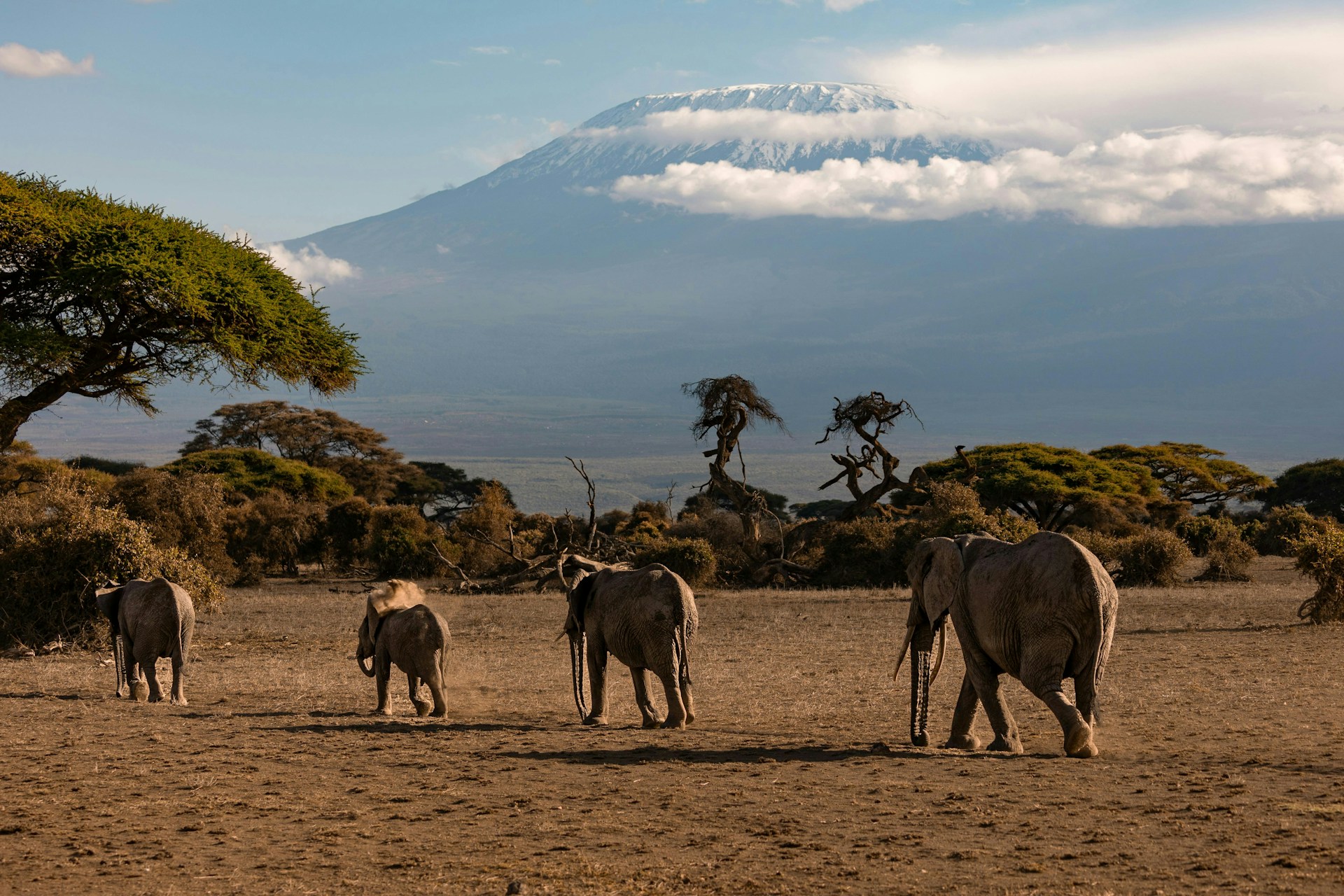
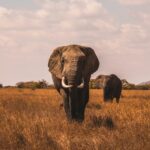
Amboseli National Park, Kenya – Stunning elephant herds against Kilimanjaro backdrop
Lake Nakuru – Spectacular flamingo populations
Queen Elizabeth National Park, Uganda – Breathtaking migratory bird spectacles
Travelers revel in cooler mornings, perfect for scenic helicopter flights over stunning vistas. Minimal crowds ensure peaceful experiences, allowing guests to unwind in pristine lodges with tranquil views of lush surroundings. The calving season begins in the southern Serengeti, bringing new life and attracting predators for excellent wildlife viewing.
February sets the stage for romantic escapes as wildlife congregates around watering holes during this peak game-viewing season. This month proves particularly enchanting for honeymoon couples seeking intimate wildlife experiences.
Maasai Mara, Kenya – Resident wildlife in peak condition
Serengeti, Tanzania – Joyous calving season with adorable baby wildebeests frolicking in grasslands
Ngorongoro Crater – Dense predator populations for dramatic encounters
Indulge in ultimate luxury with private bush dinners under star-studded skies, followed by rejuvenating spa retreats offering panoramic views of wild landscapes. The dry weather ensures excellent game viewing conditions and comfortable temperatures throughout the day.
As long rains commence, March unfolds like a green canvas, transforming scenery into lush paradise. With fewer tourists, this month offers unbeatable serenity and exceptional value.
Samburu National Reserve, Kenya – Unique wildlife species without crowds
Ngorongoro Crater, Tanzania – Dramatic landscapes with fewer vehicles
Private conservancies – Exclusive experiences at reduced rates
This proves fantastic timing for photographers and peace-seekers who relish natural beauty from well-appointed lodges, allowing quiet reflection amidst stunning backdrops. While occasional afternoon showers occur, mornings typically remain clear for game drives.
April reveals the beauty of the quiet season, where sweeping greenery blooms and vibrant birdlife thrives. Smart travelers take advantage of this underrated period.
Lake Naivasha – Excellent birdwatching and boat safaris
Mount Kenya region – Lush forests and clear mountain views
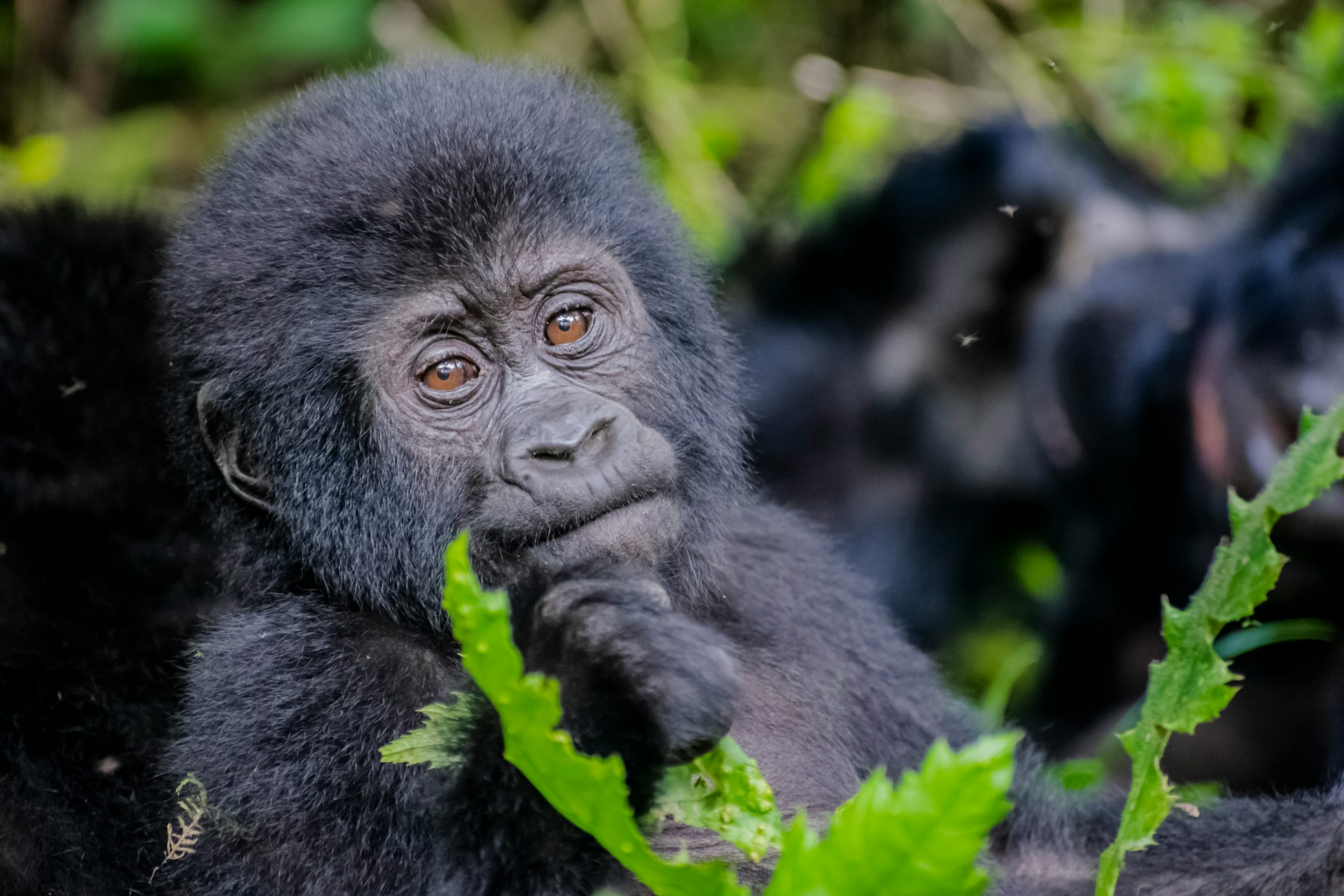
Bwindi Impenetrable National Park, Uganda – Gorilla trekking in verdant rainforest
High-end accommodations offer special rates—often 30-40% discounts—alongside spa days providing calming views of rain-soaked landscapes. This creates perfect retreats in nature’s embrace for travelers prioritizing relaxation and value over constant sunshine
May serves as a transitional month where the shoulder season treats visitors to stunning visuals, dramatic skies, and excellent wildlife photography opportunities with dynamic weather patterns.
Laikipia Plateau, Kenya – Rhino tracking and exclusive conservancies
Tarangire National Park, Tanzania – Massive elephant herds and baobab forests
Volcanoes National Park, Rwanda – Gorilla trekking in misty mountains
Boutique lodges provide cozy firelit evenings, allowing guests to unwind after tailored safari drives through this undiscovered beauty. The combination of green landscapes and clearing weather creates Africa’s most photogenic conditions.
As June dawns, the dry season takes hold, making wildlife spotting significantly easier and more rewarding. This marks the beginning of peak safari season as animals concentrate around water sources.
Grumeti Reserve – Western Serengeti river crossings begin
Western Serengeti – Migration herds moving northward
Tarangire, Tanzania – Elephants congregating in impressive numbers
Early migration activity attracts travelers seeking exclusive experiences ahead of peak tourist traffic in July-August. This month proves ideal for witnessing nature’s greatest spectacle in more intimate settings with better availability at premier lodges.
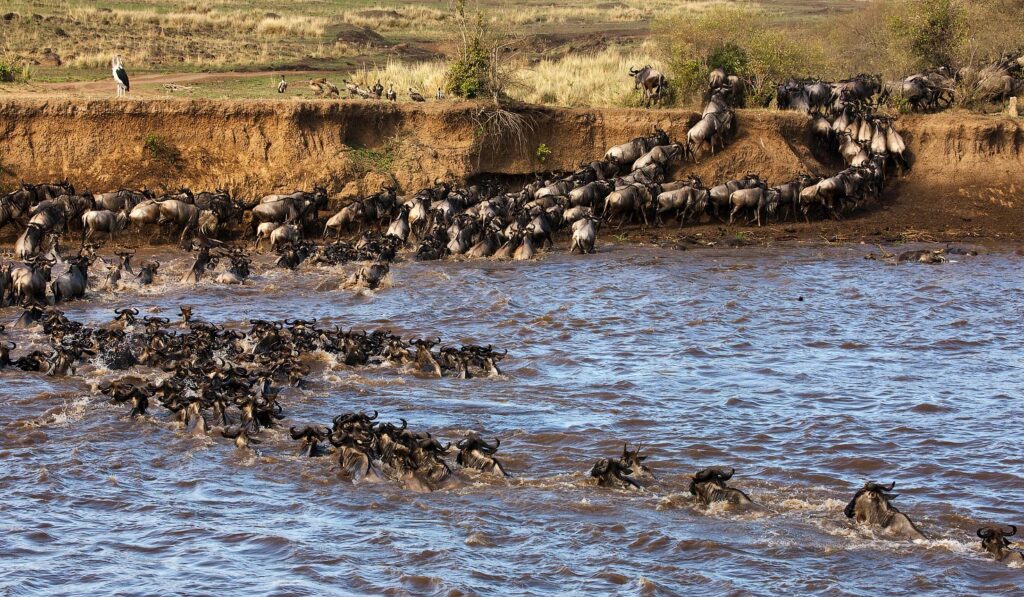
July represents the peak of the Great Migration safari season as millions of wildebeests cross Serengeti plains in one of nature’s most spectacular events. This answers the question “when to visit Serengeti” for migration enthusiasts.
Maasai Mara border region – Dramatic river crossings begin
Northern Serengeti – Heart-stopping survival moments against predators
Grumeti area – Crocodile-filled river crossings
For truly luxurious experiences, book mobile camps or exclusive tented suites offering front-row views to this awe-inspiring spectacle. Helicopter rides elevate the experience further, providing aerial perspectives of the massive herds stretching to the horizon.
August continues captivating visitors as wildebeests make daring Mara River crossings, providing dramatic predator-prey interactions that define the African safari experience.
Maasai Mara, Kenya – Peak crossing activity
Ngorongoro Crater – Resident wildlife in abundance
Amboseli National Park – Iconic elephant families
This undoubtedly ranks as the best time for African safari wildlife sightings, especially when paired with ultra-premium guides who enhance experiences with expert tracking and positioning. Expect premium pricing and advance booking requirements during this peak period.
In September, the migration continues while crowds begin thinning, allowing tranquility of the savannah to be savored. This represents excellent timing for those seeking quality over quantity.
Maasai Mara – Migration still present, fewer vehicles
Lewa Wildlife Conservancy – Rhino sanctuary with exclusive access
Lake Victoria shores – Diverse ecosystems and cultural experiences
Luxury experiences abound with tailored excursions like exhilarating hot-air balloon rides sailing over golden plains, followed by alfresco champagne breakfasts beside tranquil riverbanks. Photography conditions remain exceptional with warm, golden light.
As October unfolds, clear skies and golden light enhance landscapes, striking perfect balance in wildlife density for observers. This shoulder season month combines excellent conditions with better availability.
Tsavo National Parks, Kenya – Red elephants and vast wilderness
Meru National Park – Off-the-beaten-path adventure
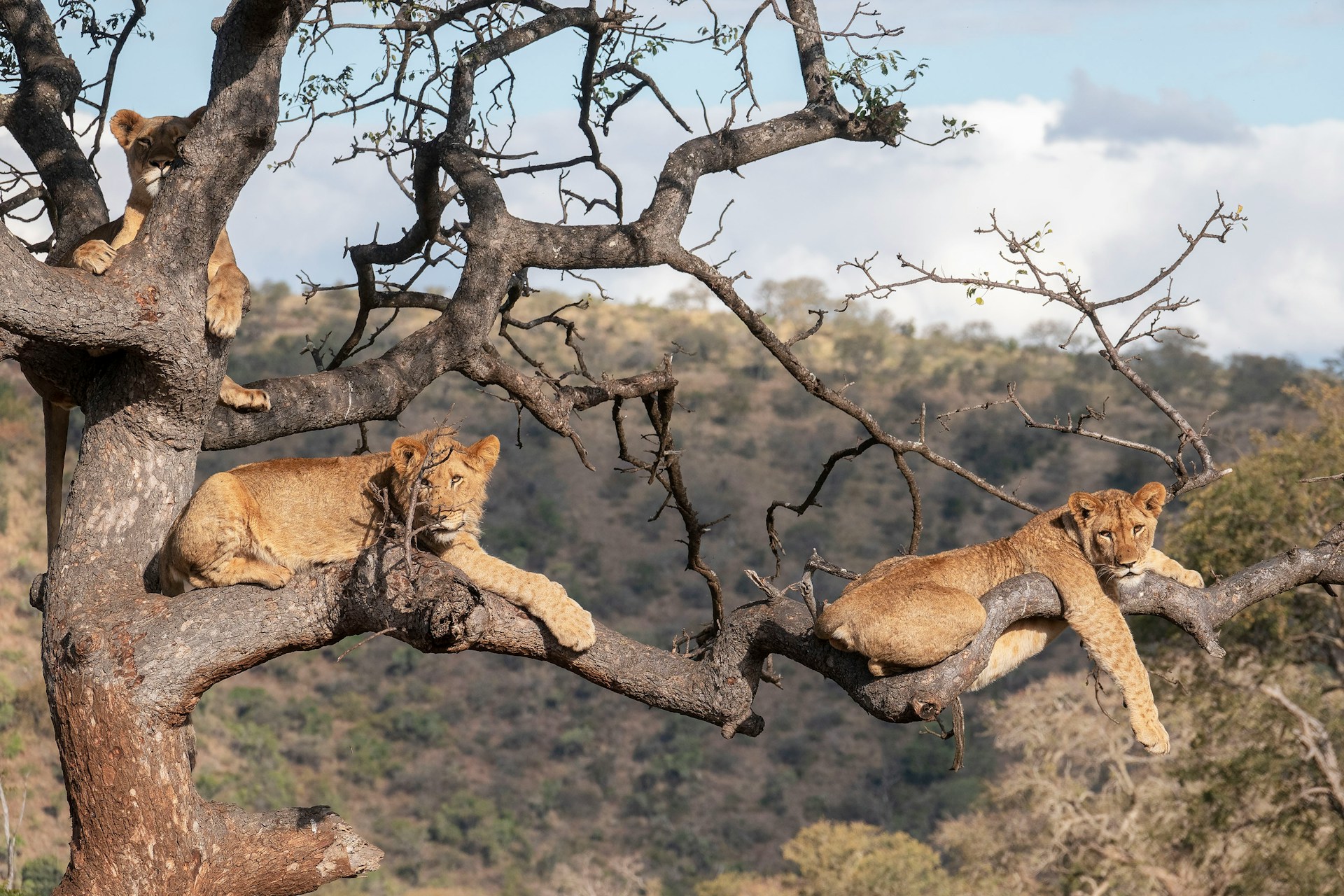
Lake Manyara, Tanzania – Tree-climbing lions and diverse habitats
Idyllic settings and luxurious accommodations cater to couples and photographers alike, making this memorable timing for exploration. The migration begins moving south from the Mara back to Serengeti, creating dynamic viewing opportunities.
November marks rejuvenation as short rains arrival brings forth new life, budding greens, and flourishing ecosystems. While some consider this off-season, adventurous travelers discover unique opportunities.
Aberdare Ranges, Kenya – Lush forest lodges and waterfalls
Bwindi Impenetrable Forest, Uganda – Mountain gorilla trekking in misty conditions
Private conservancies – Exclusive access with special rates
Forest lodges offer retreats into nature, complete with curated wellness programs harmonizing perfectly with surroundings. The brief afternoon showers create dramatic photography opportunities and comfortable temperatures for primate trekking.
As the year winds down, December brings festive atmosphere to savannahs. The dry season returns fully, paving the way for exciting holiday packages and family-friendly wildlife encounters.
Maasai Mara, Kenya – Excellent resident wildlife
Zanzibar beaches, Tanzania – Perfect safari-and-beach combination
Lake Nakuru – Flamingos and rhino viewing
Celebrate the season with unforgettable fireside feasts, hearty bush breakfasts, and breathtaking stargazing from lavish suites. This proves magical timing to embrace adventure and togetherness, though advance booking (6-12 months) is essential for prime accommodations during holiday periods.
Understanding the best time for African safari experiences depends on your priorities, whether witnessing the Great Migration, enjoying fewer crowds, maximizing budget, or experiencing specific wildlife behaviors.
Best weather: June-October (dry season)
Great Migration: July-September (Mara crossings)
Best value: April-May, November (green season)
Fewest crowds: March-May (low season)
Bird watching: November-April (migratory species)
Baby animals: January-March (calving season)
Each month offers unique advantages across Kenya, Tanzania, and Uganda. The key is matching your interests and preferences with seasonal patterns that enhance your specific safari goals.
Ready to experience East Africa’s wildlife wonders? Our safari specialists stand ready to help design your perfect adventure timed to your priorities and dreams.
Just sign up and we'll send you a notification by email.