
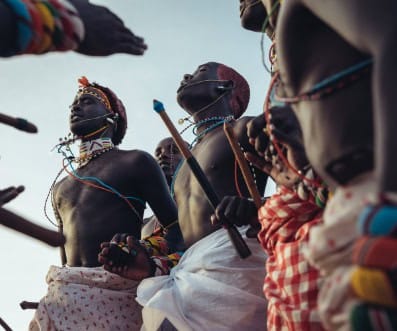
Most people visit Kenya for the Big Five and the Great Migration. But here’s what they’re missing: while everyone’s chasing lions in the Maasai Mara, some of Africa’s most vibrant cultural celebrations are happening just hours away, festivals where 14 tribes gather in peace, donkeys race through ancient streets, and traditions thousands of years old come alive before your eyes.
I’m talking about experiences you won’t find in any other country. Where else can you watch bull fighting as a sport, race camels across the desert, or witness poetry competitions in a UNESCO World Heritage town that’s looked the same for 700 years?
Kenya is home to over 40 ethnic communities, each with distinct languages, traditions, and celebrations. And increasingly, these communities are opening their doors to travelers who want more than just safari photos—they want authentic cultural immersion.
So let’s dive into Kenya’s cultural festival calendar and discover experiences that go way beyond the tourist trail.
Quick Cultural Festival Facts
Number of Ethnic Groups in Kenya: 40+
Major Language Families: Bantu, Nilotic, Cushitic
Festival Season: Year-round, peak November-December
Most Famous Festival: Lamu Cultural Festival (20,000+ visitors)
Most Unique: Maralal Camel Derby, Lake Turkana Cultural Festival
Best for Tourists: Lamu Cultural Festival, Rusinga Festival, Mombasa Carnival
UNESCO Recognition: Lamu Old Town (World Heritage Site since 2001)
The Coastal Festivals: Swahili Culture in Full Display
Lamu Cultural Festival (November)
If you’re only going to attend one cultural festival in Kenya, make it this one. The Lamu Cultural Festival is the country’s largest and most internationally recognized cultural celebration, attracting over 20,000 visitors annually to this ancient Swahili town.
Held during the last week of November on Lamu Island, a UNESCO World Heritage site, this festival is like stepping into a living museum where centuries-old traditions are still practiced daily.
What Makes Lamu Special:
The island itself is extraordinary. No cars. No paved roads (well, almost none). Transport is by donkey, handcart, or traditional dhow boats. The architecture blends Arabic, Swahili, Indian, and European influences, with narrow winding streets lined by coral stone buildings that have stood for centuries.
Festival Highlights:
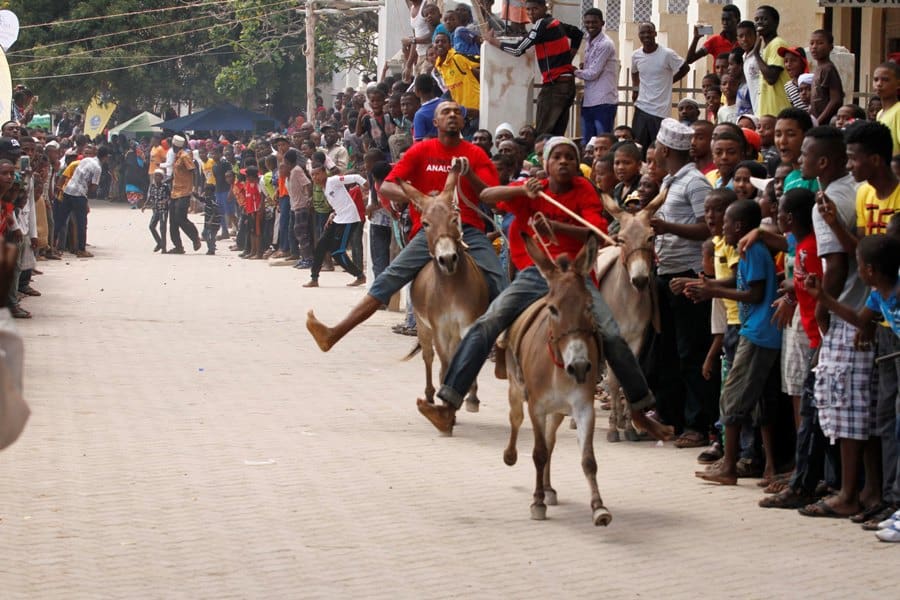
Donkey Races: Yes, really. And they’re absolutely hilarious and thrilling to watch. Donkeys are the primary transport on Lamu, and jockeys showcase serious skill navigating these notoriously stubborn animals through the streets. It’s chaotic, it’s fun, and it’s uniquely Lamu.
Dhow Races: Traditional sailing vessels race in the channel, their triangular sails catching the wind as crews compete in categories based on boat size and design. These aren’t replicas for tourists—these are working fishing boats.
Swimming Competitions: In the channel waters around Lamu.
Bao Games: This ancient board game has archaeological evidence of existing in East Africa for thousands of years. Watch champions compete in tournaments using strategy that rivals chess.
Kirumbizi Dance: Traditional dance performances where participants demonstrate skill with ceremonial clubs in choreographed routines.
Henna Painting: Learn the intricate art of Swahili henna designs that adorn hands and feet for celebrations.
Street Food: Sample coastal delicacies like mahamri (slightly sweet fried bread), bhajia (spiced fritters), kaimati (sweet dumplings), and other treats prepared with coconut milk and aromatic spices.
When: Late November (usually around November 20-22) Duration: 3 days Expected Attendance: 20,000-30,000 people
Pro tip: Book accommodation months in advance. Lamu’s hotels fill up fast for the festival, and options are limited on this small island.
Maulidi Festival (February-April)
This centuries-old religious and cultural festival celebrates the birth of Prophet Mohammed and draws Islamic scholars and believers from across East Africa and beyond.
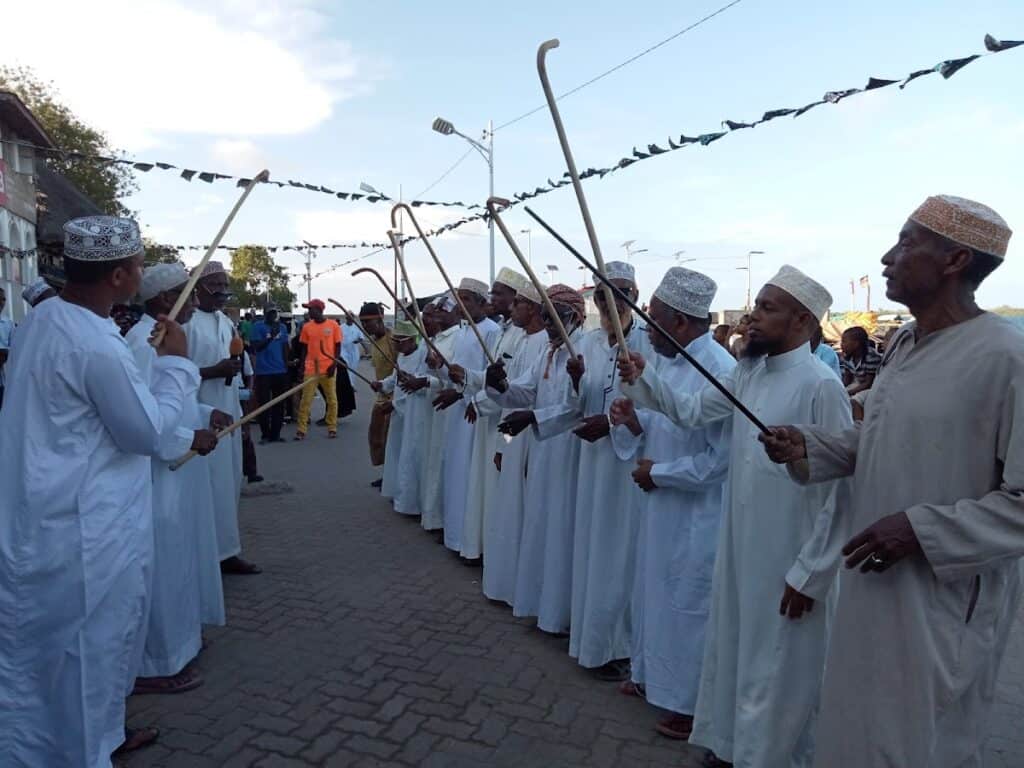
Held in Lamu during the third month of the Islamic calendar, Maulidi is both deeply spiritual and culturally rich. You’ll witness Quranic verses recited in artistic styles, traditional Swahili music and dance performances, and art exhibitions.
The festival culminates with a massive procession to the tomb of Habib Swaleh, the founder of this unique celebration in Lamu. Thousands walk together in prayer, creating a powerful sense of community and faith.
What to Expect:
Quranic recitations and Islamic poetry
Traditional taarab music performances
Swahili cultural dances
Art exhibitions
The grand procession to Habib Swaleh’s tomb
When: Dates vary based on Islamic calendar (typically February-April) Duration: Several days Atmosphere: Spiritual, reverent, culturally immersive
This festival offers insight into the Islamic heritage that’s been integral to Kenya’s coast for over 1,000 years.
Mombasa Carnival (November-December)
Kenya’s ultimate multicultural celebration happens in Mombasa every November, running through the Christmas season. This is where all of Kenya’s 40+ ethnic groups come together in one massive street party.
Think colorful parades, traditional costumes from every community, music that ranges from tribal drums to contemporary Kenyan beats, and street food from every corner of the country. It’s chaotic, it’s vibrant, and it perfectly captures Kenya’s diversity.
Highlights:
- Street parades featuring all ethnic communities
- Traditional music and dance performances
- Food bazaars with cuisine from across Kenya
- Fashion shows highlighting traditional and modern African designs
- Sports competitions
When: Starts December 12, runs through Christmas Location: Mombasa Old Town and surrounding areas Vibe: High energy, family-friendly, incredibly diverse
Lamu Yoga Festival (Various Dates)
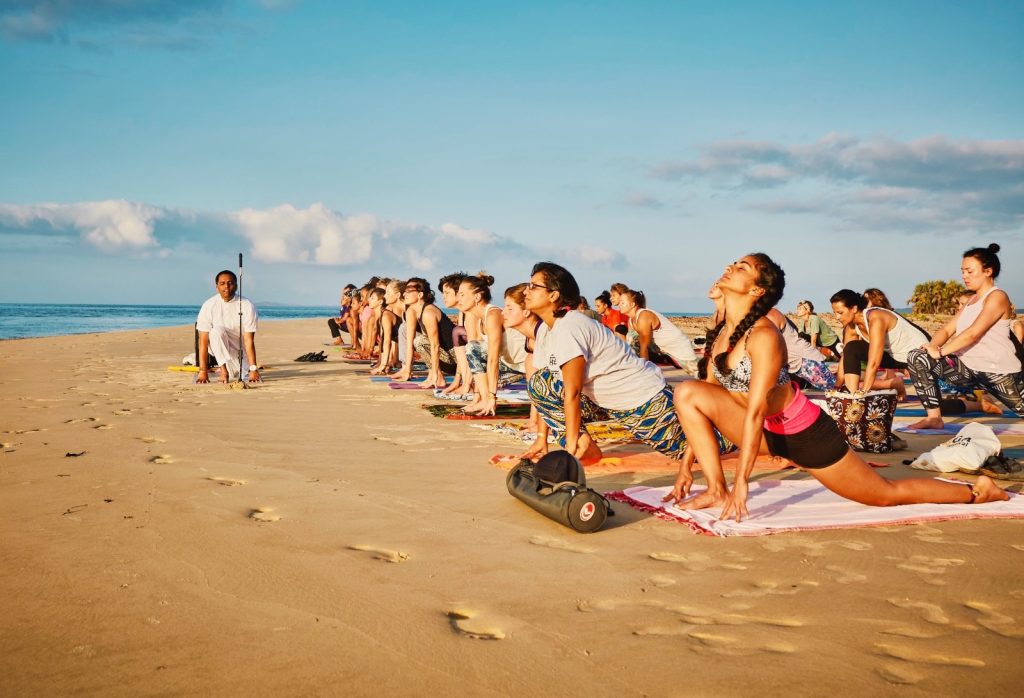
Something completely different. Since 2014, this five-day wellness festival has attracted yoga enthusiasts from around the world to the pristine islands of Shela and Manda.
Picture this: morning yoga sessions on empty beaches, meditation at sunset, traditional dhow sailing, and immersion in warm Swahili hospitality. It combines wellness tourism with cultural appreciation in one of Africa’s most tranquil settings.
When: Check annual schedule (dates vary) Duration: 5 days Activities: Beach yoga, meditation, dhow sailing, cultural workshops, wellness seminars
Lamu Food Festival (Annual)
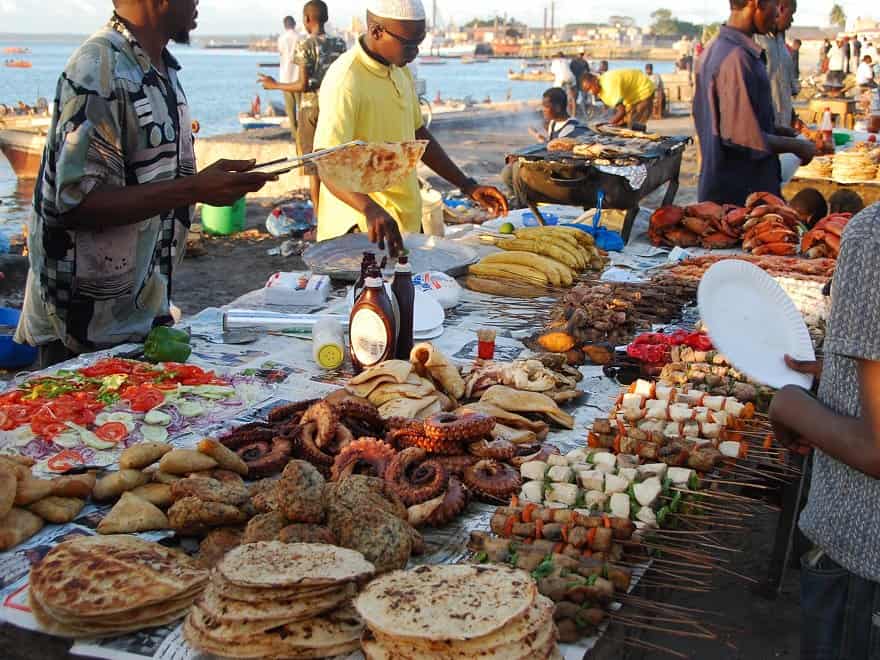
A newer addition to Lamu’s “Island of Festivals” reputation, this event celebrates the island’s remarkably well-preserved food culture.
Women compete in cooking competitions judged by renowned chefs, showcasing centuries-old recipes that blend influences from Arabia, India, and Africa. Expect cooking classes, food exhibitions, and a street food bazaar where you can sample everything from biryani to mahamri.
The Northern Frontier: Desert Culture and Tribal Traditions
Lake Turkana Cultural Festival (Spring)
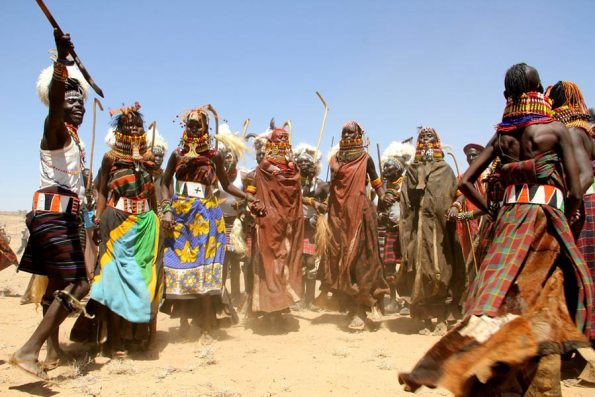
Known locally as Tobong’u Lore—meaning “Welcome Home” in the Turkana language—this might be Kenya’s most culturally significant festival. And it’s definitely the most remote.
Held annually in Loiyangalani on the southeastern shores of Lake Turkana (sometimes called the “Jade Sea” for its striking color), this three-day gathering brings together 14 ethnic communities from the Lake Turkana region: Turkana, Samburu, Borana, Rendile, Gabbra, Dasannach, El Molo, and others.
Why It Matters:
This isn’t tourism theater. This is genuine cultural preservation and peace-building. The festival was established to promote unity among communities with complex histories of cattle raiding and territorial conflicts. Now they gather to celebrate shared Ateker heritage, pour libations to ancestors, and maintain traditions in a rapidly modernizing world.
The 2025 edition (the 9th annual festival) drew high-level government attention, with President William Ruto attending and announcing a $155 million development package for Turkana County.
What You’ll Experience:
Traditional dances with participants adorned in ostrich feathers and intricate beadwork. Ceremonial rituals performed by elders. Traditional sports competitions. Cultural exhibitions. And perhaps most powerfully, the opportunity to interact with the nearly extinct El Molo community—one of Africa’s smallest tribes with fewer than 5,000 members.
The landscape alone is worth the journey. Lake Turkana is Africa’s largest permanent desert lake and a UNESCO World Heritage site, surrounded by volcanic formations and harsh but beautiful semi-arid terrain.
When: Spring (dates vary, typically May-June) Duration: 3 days Location: Loiyangalani, Marsabit County Travel Note: This is remote. Really remote. Most visitors fly from Nairobi. Be prepared for basic accommodation and extreme heat (temperatures often exceed 30°C/86°F).
Maralal International Camel Derby (August)
Since 1990, the town of Maralal in Samburu County has hosted one of Kenya’s most unique sporting and cultural events: competitive camel racing.
This three-day festival attracts international participants who come to test their camel-riding skills (spoiler: camels are even more stubborn and unpredictable than donkeys). Both amateur and professional racers compete, and watching someone try to control a racing camel is entertainment gold.
Festival Activities:
- Camel Racing: The main event, with serious prizes
- Amateur Camel Races: Where tourists can (carefully) try their hand
- Donkey Racing: Because why stop at camels?
- Bicycle Races: Through the surrounding desert landscape
- Cultural Performances: Traditional Samburu dances and music
- Night Festivities: Traditional food, local brew, and celebrations under desert stars
The Setting:
Maralal sits at high altitude (about 1,960 meters), offering stunning views of the surrounding desert. The sunsets are legendary. The town itself is the gateway to Samburu culture—one of Kenya’s most visually striking communities known for their red shukas (cloths) and elaborate beaded jewelry.
When: August (usually mid-month) Duration: 3 days Vibe: Adventure tourism meets authentic culture What to Bring: Lots of sunscreen, light clothing, sense of humor
Western Kenya: Lakeside and Highland Traditions
Rusinga Island Festival (Late December)
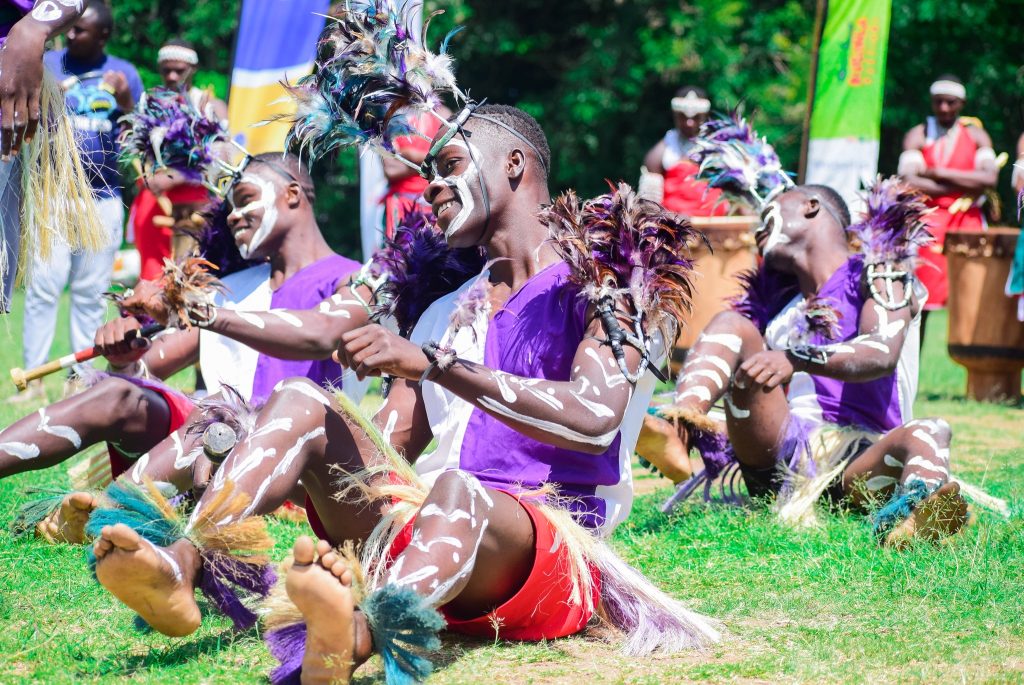
This two-day cultural celebration happens just before Christmas on Rusinga Island in Lake Victoria, home to the Abasuba (Suba) community.
Here’s what makes it significant: The Suba language is on UNESCO’s list of endangered languages. This festival actively works to preserve it through music, poetry, storytelling, and cultural education for younger generations.
Festival Highlights:
Traditional Music and Dance: Performers in traditional attire move to drum beatings and songs passed down through generations.
Sports Competitions: Boat racing (fishing is the community’s primary livelihood), fishing contests, tug of war, and friendly wrestling matches—traditionally done for bragging rights or to impress potential suitors.
Art and Crafts: Exhibitions of Suba pottery, basket weaving, and wood carving.
Traditional Food: Kuon (ugali made from millet or sorghum) served with fresh tilapia or Nile perch from Lake Victoria.
When: Late December (typically around December 20-22) Duration: 2 days Theme: Changes annually Atmosphere: Community-focused, family-friendly, culturally educational
Luo Festival (Annual)
Celebrating one of Kenya’s largest ethnic groups, this festival showcases Luo culture through performances by renowned musicians, combining traditional instruments (like the nyatiti lyre) with contemporary Kenyan music.
The Luo community, concentrated around Lake Victoria, has contributed enormously to Kenyan music, politics, and culture. This festival celebrates that heritage while keeping traditions alive for younger generations.
Iteso Cultural Festival (December 26)
Boxing Day in Teso North, Busia County, becomes a celebration of Iteso heritage. Hosted at the Kakapel Cultural Centre—famous for its 4,000-year-old rock art paintings—this festival features traditional dances, music, literature, food, and local beer.
The rock art at Kakapel represents some of East Africa’s oldest artistic expressions, making this festival a unique combination of ancient history and living culture.
What to See:
- Traditional Iteso dances and music
- Rock art site tours
- Local cuisine and traditional beer
- Cultural exhibitions
Maragoli Cultural Festival (December 26)
Also on December 26, the town of Mbale in Vihiga County hosts Western Kenya’s largest cultural festival. While centered on the Maragoli sub-community, the festival celebrates the broader Luhya ethnic group—Kenya’s second-largest tribe.
Organized by the Vihiga Cultural Society, this draws massive crowds from across the region with traditional performances, sports, food, and celebrations.
Bull Fighting (Year-round)
Now this is something different. In Kakamega, the Idakho and Isukha sub-communities of the Luhya people practice bull fighting as a traditional sport.
Before you worry—this isn’t Spanish-style bullfighting. Two bulls, adequately fed and prepared, engage in a spirited pushing match that lasts 5-30 minutes. It’s essentially bovine wrestling. The owner of the winning bull receives a cash prize, and celebrations involve plenty of local brew.
Where: Various locations in Kakamega County When: Throughout the year (check local schedules) Nearby Attractions: Kakamega Forest Reserve, Ilesi Crying Stone
Central Kenya: Tharaka Traditions
Ura-Gate Cultural Festival (Annual)
This three-day celebration honors the Tharaka people of Central Kenya. Held at Uragate grounds in Tharaka Nithi County, the festival features spectacular cultural performances from groups like the Igambang’ombe traditional dancers.
Local leaders and community elders actively participate, making this an authentic community gathering rather than a tourist show. It’s an excellent opportunity to experience a lesser-known Kenyan culture in a beautiful highland setting.
Nairobi: Urban Culture and Arts
Nairobi Film Festival (Annual)
This week-long event seeks to popularize Kenyan film productions and support the local film industry. New and classic films exploring contemporary African themes screen throughout the week, bringing together filmmakers, actors, and cinema enthusiasts from Kenya and abroad.
Pawa Festival (December)
A relatively new addition to Kenya’s festival calendar, this one-day event held in December celebrates urban art and creative culture. Koinange Street in downtown Nairobi transforms into an open-air gallery with live performances, art installations, food vendors, and craft sales.
It’s become a popular pre-Christmas gathering for Nairobi’s creative community and art lovers.
The Sports-Meets-Culture Events
The Rhino Charge (Annual)

This unique event combines extreme off-road motorsport with wildlife conservation fundraising. Organized by Rhino Ark, participants race through rough wilderness terrain under a 10-hour time limit, with all proceeds supporting conservation projects like the Aberdare Fence.
It’s not strictly a cultural festival, but it has become such an integral part of Kenya’s event calendar and attracts such passionate participation that it has become culturally significant in its own right.
Safari Rally (Annual)
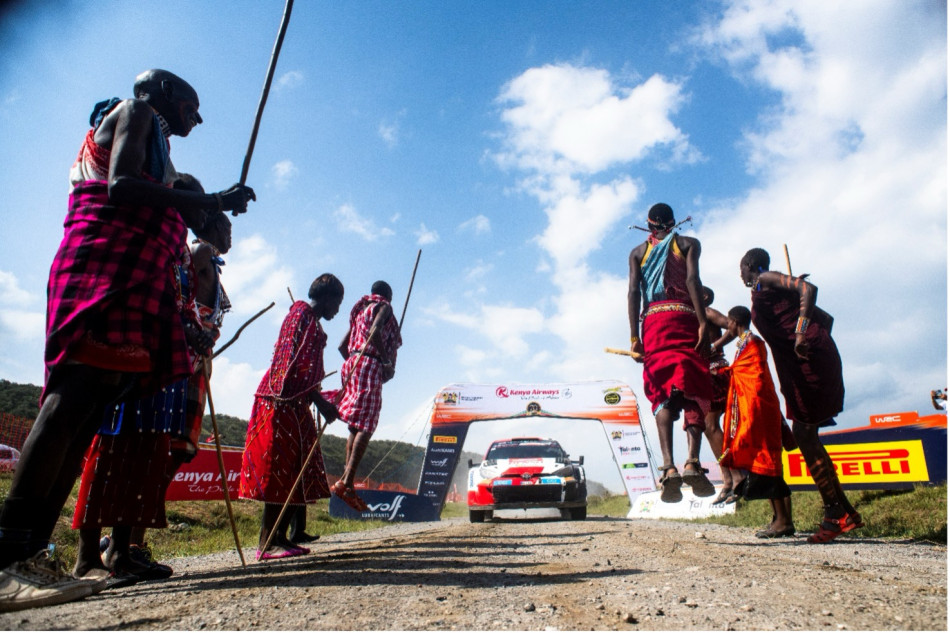
Started in 1953 to commemorate Queen Elizabeth’s coronation, the Safari Rally is now part of Kenya’s cultural DNA. This grueling motorsport event requires drivers to navigate difficult wilderness terrain at high speeds, attracting international competitors and massive local audiences.
It’s returned to the World Rally Championship calendar after a 19-year absence, cementing its place as one of Kenya’s most internationally recognized events.
Lewa Safari Marathon (Annual)
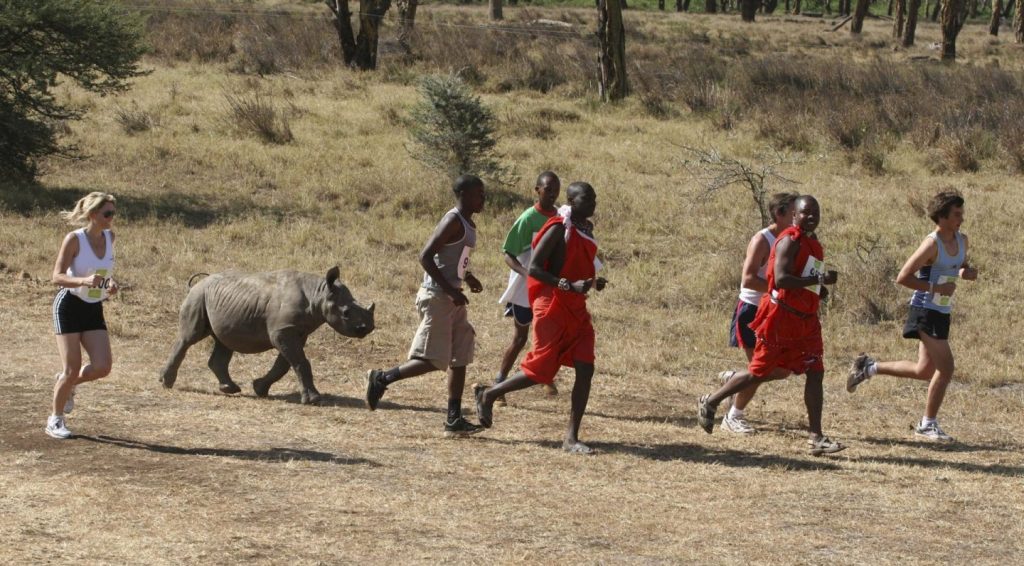
One of the world’s most scenic marathons takes place at Lewa Wildlife Conservancy, where runners race through wildlife habitat with the very real possibility of encountering rhinos, elephants, and other animals during their run.
It combines athletics with conservation awareness, as all proceeds support wildlife protection efforts.
Planning Your Cultural Festival Experience
Best Times to Visit
Peak Festival Season: November-December (Lamu, Mombasa, Rusinga, Maragoli, Iteso, and more)
Spring: March-June (Lake Turkana, East African Art Festival)
Summer: August (Maralal Camel Derby)
Year-Round: Various events happen throughout the year—research specific festivals that interest you.
How to Combine Cultural Festivals with Safari
Many travelers don’t realize you can build itineraries that combine wildlife safaris with cultural festivals. For example:
The Complete Kenya Experience (10-12 days): View this safari
Practical Tips
Book Early: Popular festivals fill accommodation quickly, especially Lamu and Lake Turkana.
Respect Local Customs: These are real communities celebrating genuine traditions. Dress modestly, ask before photographing people, and follow local guidelines.
Come with Open Mind: Some festivals involve remote locations, basic facilities, and unfamiliar traditions. Embrace the experience.
Support Local: Buy crafts from artisans, eat at local restaurants, hire local guides. Your tourism dollars directly support these communities.
Learn Some Swahili: Basic phrases go a long way. “Jambo” (hello), “asante” (thank you), and “hakuna matata” (no worries) are good starts.
Planning Your Cultural Festivals
These festivals aren’t just entertainment for tourists. They’re vital to preserving Kenya’s incredible cultural diversity in a rapidly globalizing world.
When you attend, you’re supporting:
- Cultural Preservation: Encouraging communities to maintain traditional practices
- Youth Education: Passing traditions to younger generations
- Economic Development: Providing income for artisans, performers, and local businesses
- Peace Building: Events like Lake Turkana Cultural Festival actively promote inter-ethnic harmony
Language Preservation: Festivals like Rusinga help keep endangered languages alive
Final Thoughts
Kenya’s cultural festivals reveal a side of the country that most safari-goers never experience. They’re opportunities to go beyond the “tourist experience” and connect with real communities maintaining traditions thousands of years old.
Whether you’re watching donkeys race through Lamu’s ancient streets, sitting with Turkana elders by Africa’s largest desert lake, or learning to dance with the Luo people on an island in Lake Victoria—these are the moments that transform a trip into a journey.
And here’s the beautiful thing: Kenya makes it possible to have both experiences. Spend your mornings watching elephants in Amboseli, your afternoons on pristine beaches in Watamu, and your evenings experiencing festivals where 14 tribes gather in celebration.
That’s the Kenya most people don’t know exists. But now you do.
Ready to experience Kenya beyond the safari? Kwezi Safaris specializes in creating comprehensive itineraries that combine wildlife experiences with authentic cultural festivals. Whether you want to attend Lamu’s donkey races, witness the Lake Turkana gathering, or combine festivals with the Great Migration, we design journeys that showcase the full diversity of this incredible country. Let’s plan your authentic Kenyan adventure.