
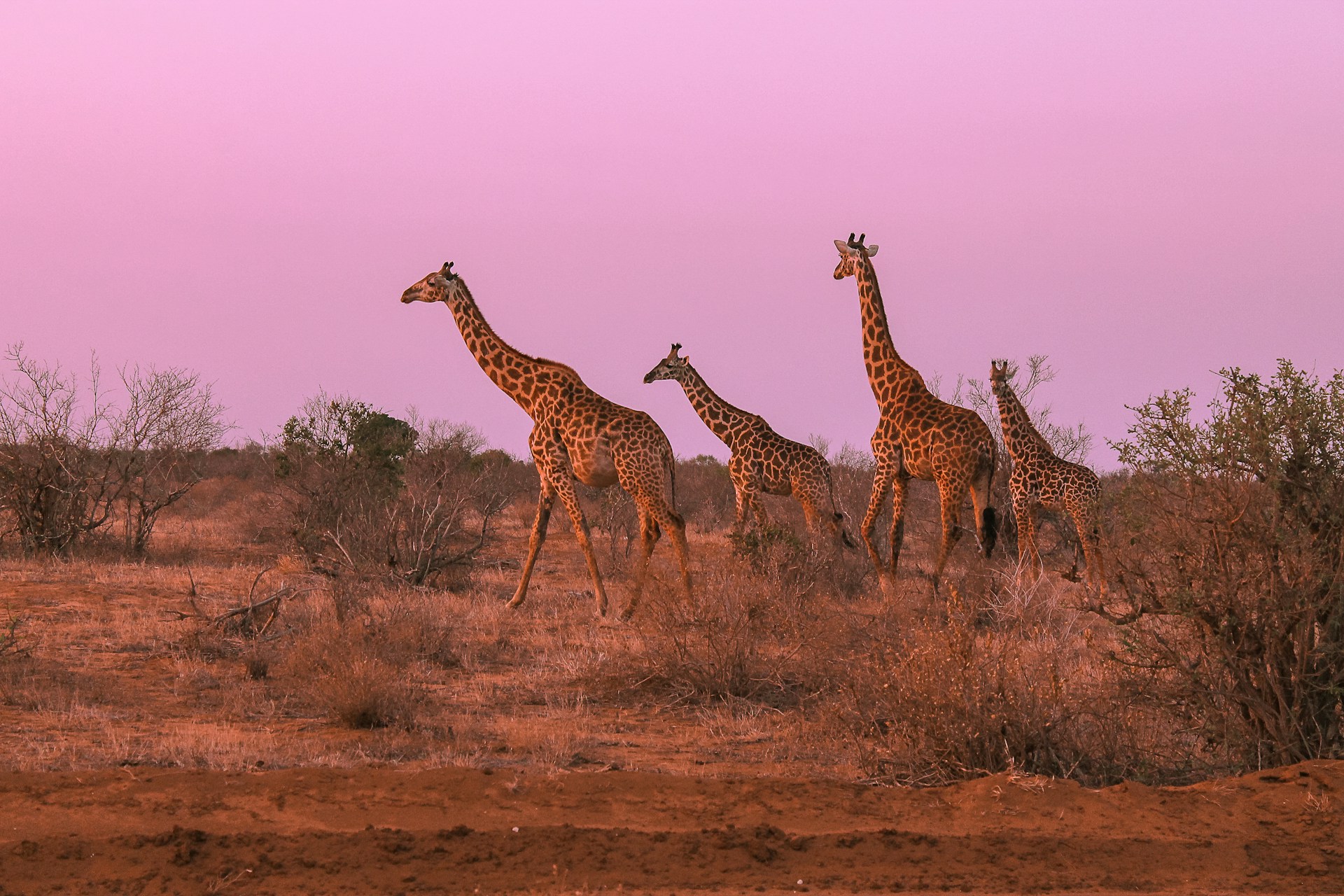
Here’s something that might surprise you: giraffes are making a comeback. After decades of what conservationists called a “silent extinction”, losing 40% of their population and vanishing from seven African countries, recent data reveals something remarkable.
Three of the four giraffe species are now showing positive population trends. The total population has rebounded to approximately 140,000 individuals, up from under 100,000 just a few years ago. Southern giraffes have increased by 49% since 2020. Reticulated giraffes are up 31%. Even northern giraffes, despite being critically endangered, have grown 19% since 2020.
It’s rare to find conservation good news in an era of wildlife decline, but it’s proof that when we commit resources, implement science-based strategies, and engage local communities, we can reverse even dire situations.
But before we celebrate too much, let’s be clear: giraffes aren’t safe yet. They still face habitat loss, poaching, and fragmentation. One species (Masai giraffe) remains stable but threatened. Northern giraffes, despite recent gains, number only about 7,000 individuals.
So while there’s hope, there’s also urgency. Let’s explore what makes giraffes extraordinary, why they matter, where they’ve been, where they’re going, and how you can see them in the wild.
Quick Giraffe Facts
Scientific Name: Giraffa (four species now recognized)
Height: Males up to 5.5-6 meters (18-20 feet); Females 4.5 meters (14.8 feet)
Weight: Males up to 1,930 kg (4,250 lbs); Females up to 1,180 kg (2,600 lbs)
Tongue Length: Up to 50 cm (20 inches)—prehensile and dark purple
Neck: 1.8-2 meters long with only 7 vertebrae (same as humans!)
Speed: Can run up to 60 km/h (37 mph) in short bursts
Lifespan: 20-25 years in the wild
Population: Approximately 140,000 (recovering from 100,000+ decline)
Conservation Status: Varies by species (see below)
Unique Feature: No two giraffes have identical spot patterns
Four Species, Four Stories
Until recently, all giraffes were considered one species. Groundbreaking genetic research by the Giraffe Conservation Foundation revealed four distinct species, a discovery that changed conservation strategy entirely.
Southern Giraffe (Giraffa giraffa) – Conservation Success Story
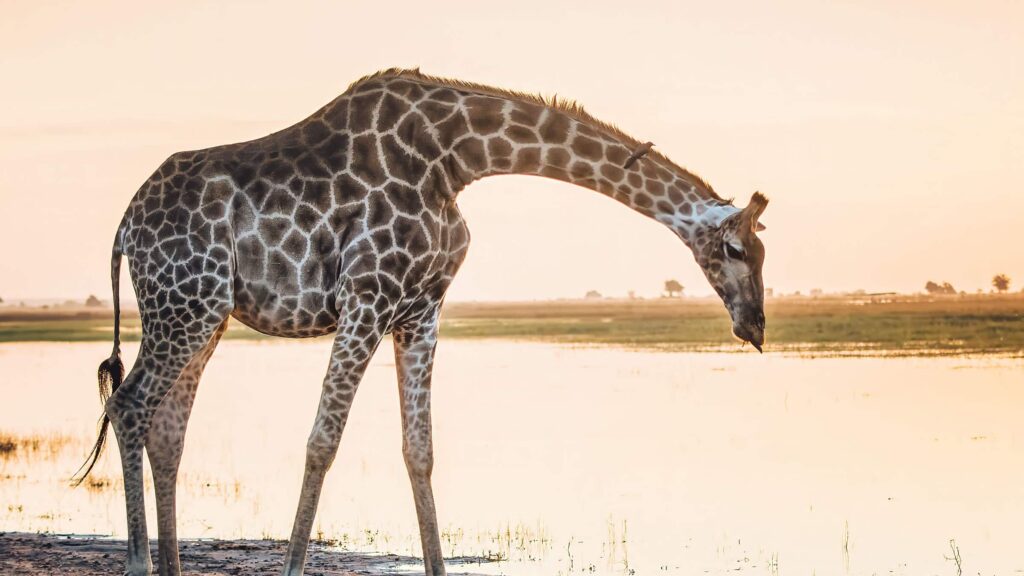
Population: 68,837 (49% increase since 2020!)
Range: Botswana, Namibia, South Africa, Zimbabwe, Mozambique
Conservation Status: Recommended for “Least Concern”
Subspecies: Angolan giraffe, South African giraffe
This is the giraffe comeback story. Southern giraffes have more than doubled since 1995, driven by successful conservation programs, habitat protection, and a remarkable reintroduction in Mozambique where they’d gone locally extinct.
Better survey techniques reveal populations on private lands previously uncounted, but real population growth is undeniable. This proves what’s possible with commitment and resources.
Masai Giraffe (Giraffa tippelskirchi) – Holding Steady
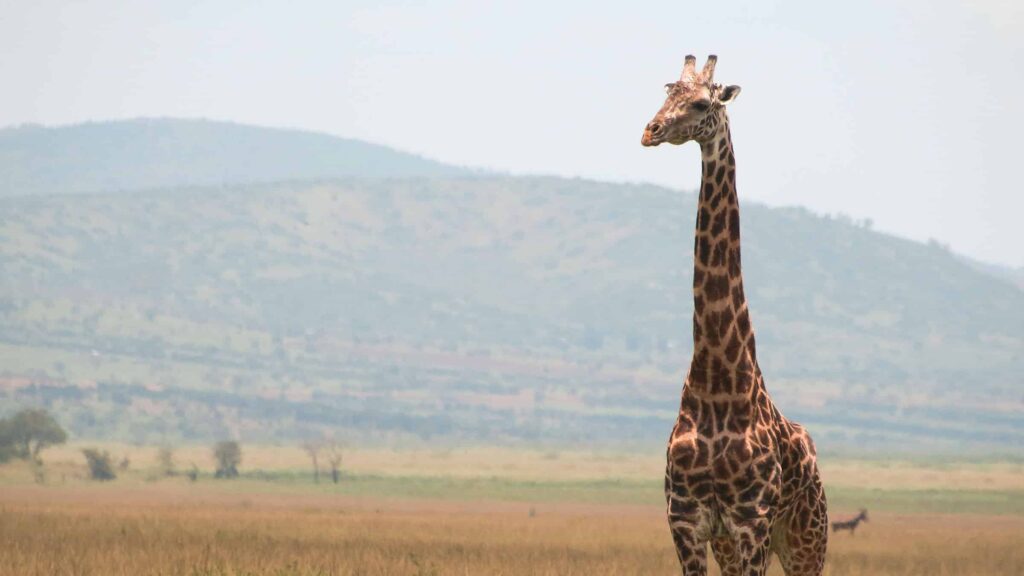
Population: 43,926 (stable)
Range: Kenya, Tanzania
Conservation Status: Endangered
Subspecies: None
The Masai giraffe, the one you’re most likely to see on an East African safari, has stabilized after significant declines. These are the giraffes roaming the Serengeti and Maasai Mara, with distinctive jagged-edged spots like vine leaves.
While stability is better than decline, Masai giraffes still face threats from habitat loss and human-wildlife conflict in their densely populated range.
Reticulated Giraffe (Giraffa reticulata) – Bouncing Back
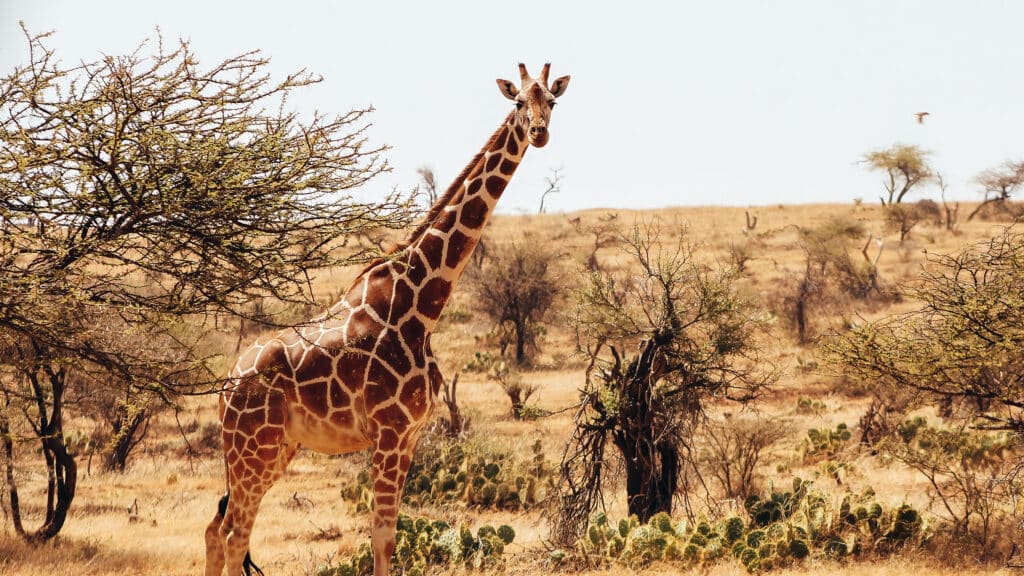
Population: 20,901 (31% increase since 2020)
Range: Ethiopia, Kenya, Somalia
Conservation Status: Endangered
Subspecies: None
Reticulated giraffes sport the most striking coat pattern—bold, blocky, polygonal patches separated by bright white lines creating a net-like appearance (hence “reticulated”).
Their recovery, particularly in northern Kenya, demonstrates successful community-based conservation where local people benefit from wildlife tourism and become conservation partners.
Northern Giraffe (Giraffa camelopardalis) – Critically Endangered but Growing
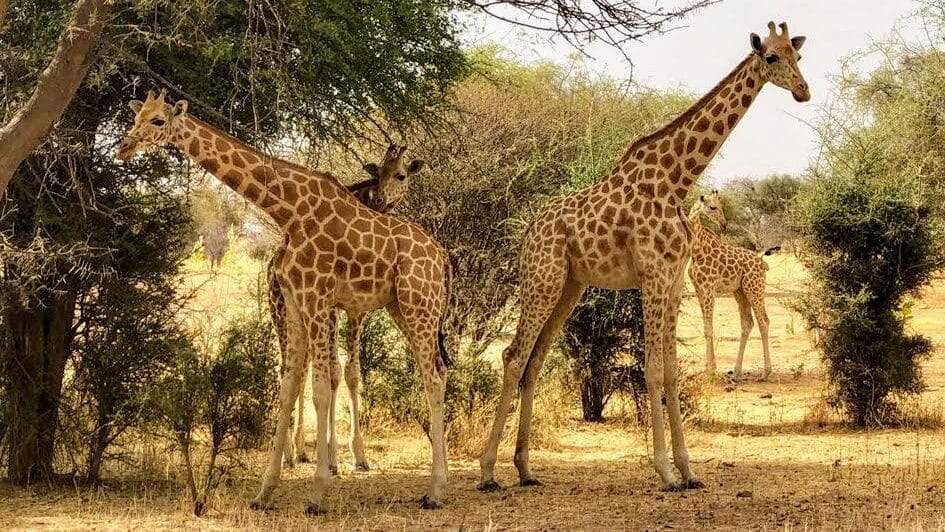
Population: 7,037 (19% increase since 2020, but still critically low)
Range: Central and East Africa (fragmented)
Conservation Status: Recommended for “Endangered”
Subspecies: West African, Kordofan, Nubian
This is the giraffe in crisis. Northern giraffes have declined 70% since 1995, devastated by armed conflicts in Central African Republic and South Sudan where they’re now nearly extinct.
The West African giraffe (found only in Niger) numbers fewer than 600 individuals. Yet even here, dedicated conservation shows results—populations increasing from their lowest points.
Giraffe Physical Marvel: Built Unlike Anything Else
Giraffe’s Incredible Neck
A giraffe’s neck is one of evolution’s most spectacular achievements. At 1.8-2 meters long, it allows access to food sources no other browser can reach—the highest leaves and shoots in acacia trees.
Here’s what’s mind-blowing: Despite that extraordinary length, giraffes have only seven cervical (neck) vertebrae—exactly the same number as humans, mice, and whales. Each vertebra is just extremely elongated (up to 28 cm long).
The blood pressure solution:
Getting blood up that neck to a brain 5+ meters off the ground requires incredible cardiovascular adaptations:
- Thick-walled arteries with extra valves counteract gravity when the head is raised
- Special vessels (rete mirabile) at the brain’s base regulate pressure
- When lowering the head to drink, the system prevents dangerous blood pressure spikes
Without these adaptations, a giraffe would pass out every time it bent down for water.
Giraffe’s Tongue: A 50cm Tool
Giraffe tongues are extraordinary: up to 50 cm (20 inches) long, prehensile (can grasp and manipulate), and dark purple-black (likely sun protection).
They use these tongues to:
- Strip leaves from thorny branches (the tongue and mouth interior are coated in tough tissue)
- Manipulate and select the most nutritious shoots
- Clean their own ears (yes, really)
The tongue’s dexterity rivals an elephant’s trunk for precision feeding.
Ossicones: Not Quite Horns
Those knobby protrusions on a giraffe’s head are called ossicones—not horns. They’re formed from ossified (bone-like) cartilage covered in skin and hair.
Both males and females have ossicones, but males’ become thicker and often bald on top from frequent “necking”—ritualized fights where bulls swing their necks to deliver head-butts to rivals. These battles establish dominance and are surprisingly violent, sometimes resulting in injuries or death.
The Spots: Unique as Fingerprints
No two giraffes share identical spot patterns, each individual’s coat is as unique as a human fingerprint. Researchers use these patterns to identify and track individuals.
But spots aren’t just camouflage. Each spot sits over a complex network of blood vessels. Giraffes can send blood through these vessels to release heat, each spot functions as a thermoregulatory patch, helping cool the body in Africa’s intense heat.
Legs and Speed
Those impossibly long legs (legs alone can be 1.8 meters/6 feet) aren’t just for height—they’re powerful weapons and enable surprising speed.
Giraffes can:
- Sprint at 60 km/h (37 mph) in short bursts
- Maintain 50 km/h over longer distances
- Deliver kicks powerful enough to kill lions
The downside? To drink water, giraffes must splay their forelegs wide and awkwardly lower their heads—a vulnerable position they avoid when possible.
Behavior and Social Life
Loose Social Structures
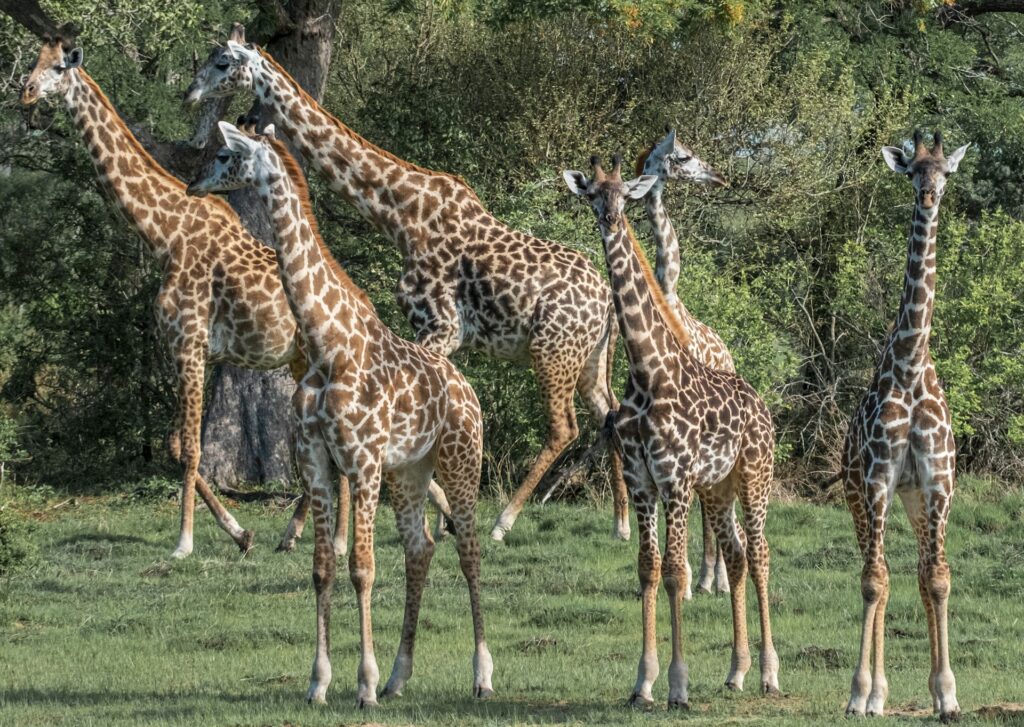
Unlike elephants with tight matriarchal family groups, giraffes have fluid social structures. They form temporary groups that constantly change membership, called fission-fusion societies.
Typical groups include:
- Nursery groups (females with calves)
- Bachelor groups (young males)
- Mixed groups (males and females)
- Solitary individuals (often older bulls)
Relationships exist, but they’re flexible. A giraffe might spend today with one group, tomorrow with different individuals.
Communication: The Silent Giants
Giraffes were long considered silent. They’re not. They communicate through:
- Infrasound (below human hearing range)—discovered relatively recently
- Snorts and grunts
- Hisses when threatened
- Moaning, bellowing (rare)
Mothers and calves communicate with quiet bleats and humming sounds.
Necking
Young bulls engage in “necking”—using their necks as weapons in ritualized combat. They stand side by side and swing their necks, delivering powerful blows with their ossicone-topped heads.
Most necking is relatively gentle among young males testing strength. Between mature bulls competing for breeding rights, it can become violent—leaving wounds and occasionally breaking bones or killing opponents.
Reproduction and Calves
Gestation: 15 months (one of the longest among mammals)
Birth: Standing up—calves drop 1.5-2 meters to the ground
Calf height: About 1.8-2 meters at birth
Calf weight: 50-70 kg (110-150 lbs)
Calves can stand within 20 minutes and run within hours—crucial when predators are everywhere.
High mortality: Only about 25-50% of calves survive to adulthood. Lions, hyenas, leopards, and wild dogs take heavy tolls on young giraffes.
Females are devoted mothers, but the loose social structure means calves must become independent quickly. They join nursery groups where multiple females provide some protection.
Diet: Picky Eaters
Giraffes are browsers (not grazers), feeding on leaves, shoots, fruits, and flowers primarily from acacia trees. They’re remarkably picky, selecting the most nutritious, least fibrous new growth.
Daily intake: About 34-65 kg (75-145 lbs) depending on season and individual
Feeding time: 16-20 hours per day
Favorite food: Acacia trees—which have evolved massive thorns as defense. Giraffes’ thick tongues and tough mouths render thorns irrelevant.
Water: Surprisingly, giraffes can survive weeks without drinking. They get most moisture from vegetation, which contains 60-70% water. When water is available, they drink, but they can thrive in dry areas where other large herbivores struggle.
Ecological Importance
Giraffes are ecosystem engineers whose feeding behavior shapes African landscapes.
Opening the canopy: By browsing high branches, giraffes prevent trees from forming closed canopies, allowing sunlight to reach the ground and promoting grass growth for other herbivores.
Seed dispersal: Acacia seeds pass through giraffe digestive systems. Some acacia species have seeds that won’t germinate until they’ve been through a giraffe’s gut—showing millions of years of coevolution.
Maintaining diversity: Their selective browsing creates varied habitat structures benefiting smaller browsers and grazers.
The Decline and Recovery
Historical Range Loss
Three hundred years ago, giraffes roamed throughout Africa. They’ve since lost nearly 90% of their historical range.
Extinct in seven countries: Burkina Faso, Eritrea, Guinea, Malawi, Mauritania, Nigeria, Senegal
Severely reduced in many others
The Threats
Habitat Loss: Agriculture, settlements, roads, mining, and oil drilling fragment and eliminate giraffe habitat. Once-vast ranges become isolated patches.
Poaching: Giraffes are killed for:
- Meat (bushmeat trade)
- Hides (leather products)
- Tails (prized for jewelry, fly whisks, good-luck bracelets)
- Bones and organs (false medicinal beliefs—some cultures incorrectly think giraffe brains cure HIV)
Civil Unrest: Armed conflicts devastate wildlife. Northern giraffe populations in Central African Republic and South Sudan collapsed during recent conflicts.
Climate Change: Altering rainfall patterns affects vegetation, impacting giraffe food sources.
Disease: Rinderpest (introduced by European cattle in the late 1800s) decimated giraffes and other ungulates.
The Conservation Success
The 2025 “State of Giraffe” report reveals genuine progress:
What’s working:
- National and Regional Giraffe Conservation Strategies (14 countries have adopted them)
- Community-based conservation (giving local people economic incentives to protect giraffes)
- Translocation programs (moving giraffes to restore populations in former ranges)
- Improved monitoring (better data drives better decisions)
- Protected area expansion
- Anti-poaching efforts
Key insight: Countries with formal conservation strategies show better outcomes—proving coordinated, science-based approaches work.
Where to See Giraffes in Africa
Kenya (Masai & Reticulated Giraffe)
Maasai Mara National Reserve: Classic safari destination, excellent sightings
Amboseli National Park: Giraffes against Kilimanjaro backdrop
Samburu National Reserve: Reticulated giraffes in arid landscapes
Nairobi National Park: Accessible from city
Giraffe Centre, Nairobi: Conservation education facility with endangered Rothschild’s giraffes
Tanzania (Masai Giraffe)
Serengeti National Park: Abundant populations across vast plains
Tarangire National Park: High concentrations, especially during dry season
Ngorongoro Crater: Resident population in stunning setting
Arusha National Park: Close-up viewing opportunities
Botswana (Southern Giraffe)
Okavango Delta: Excellent populations in diverse habitats
Chobe National Park: Savanna woodlands with good densities
South Africa (Southern Giraffe
Kruger National Park: Widespread populations
Hluhluwe-iMfolozi Park: KwaZulu-Natal population
Private game reserves: Many offer excellent viewing
George Nchau has guided wildlife photographers and first-time safari guests through Masai Mara and Samburu for over 20 years. If you’d like to plan a safari with dedicated giraffe sightings — including the rare reticulated giraffe in northern Kenya — tell us your travel dates and we’ll build the itinerary around you.
How to Support Giraffe Conservation
Choose responsible safari operators: Your tourism dollars should support conservation. Kwezi Safaris works with conservation partners and practices responsible wildlife viewing.
Support organizations: Giraffe Conservation Foundation leads global efforts with science-based strategies.
Spread awareness: The “silent extinction” remains unknown to most people. Share what you’ve learned.
Avoid giraffe products: Never buy items made from giraffe parts (tails, bones, hides).
Visit responsibly: Ethical wildlife tourism generates revenue justifying giraffe protection.
Final Thoughts
The giraffe’s story is both cautionary and hopeful. Cautionary because we nearly lost these extraordinary animals through habitat destruction, poaching, and indifference to their “silent extinction.”
Hopeful because when we pay attention, when we fund research, implement strategies, protect habitat, and engage communities, populations rebound. Southern giraffes doubling in numbers, reticulated giraffes up 31%, even critically endangered northern giraffes growing 19%—this is what’s possible.
Giraffes are living proof that conservation works, but only when we commit to it.
These gentle giants with their impossible necks, unique patterns, and quiet grace deserve to roam African savannas for millennia to come. They’re ecosystem engineers, seed dispersers, and symbols of Africa’s wild beauty.
Their future isn’t guaranteed, but it’s brighter than it was five years ago. And that’s worth celebrating—and protecting.
Ready to see giraffes in their natural habitat? Kwezi Safaris offers expertly guided wildlife experiences across Kenya and Tanzania’s premier giraffe territories. From the Serengeti’s vast plains to the Maasai Mara’s iconic landscapes, from Amboseli’s Kilimanjaro views to Samburu’s reticulated giraffes, we create safaris that showcase these magnificent animals while supporting the conservation efforts protecting them. Let’s plan your journey to meet the world’s tallest mammals.