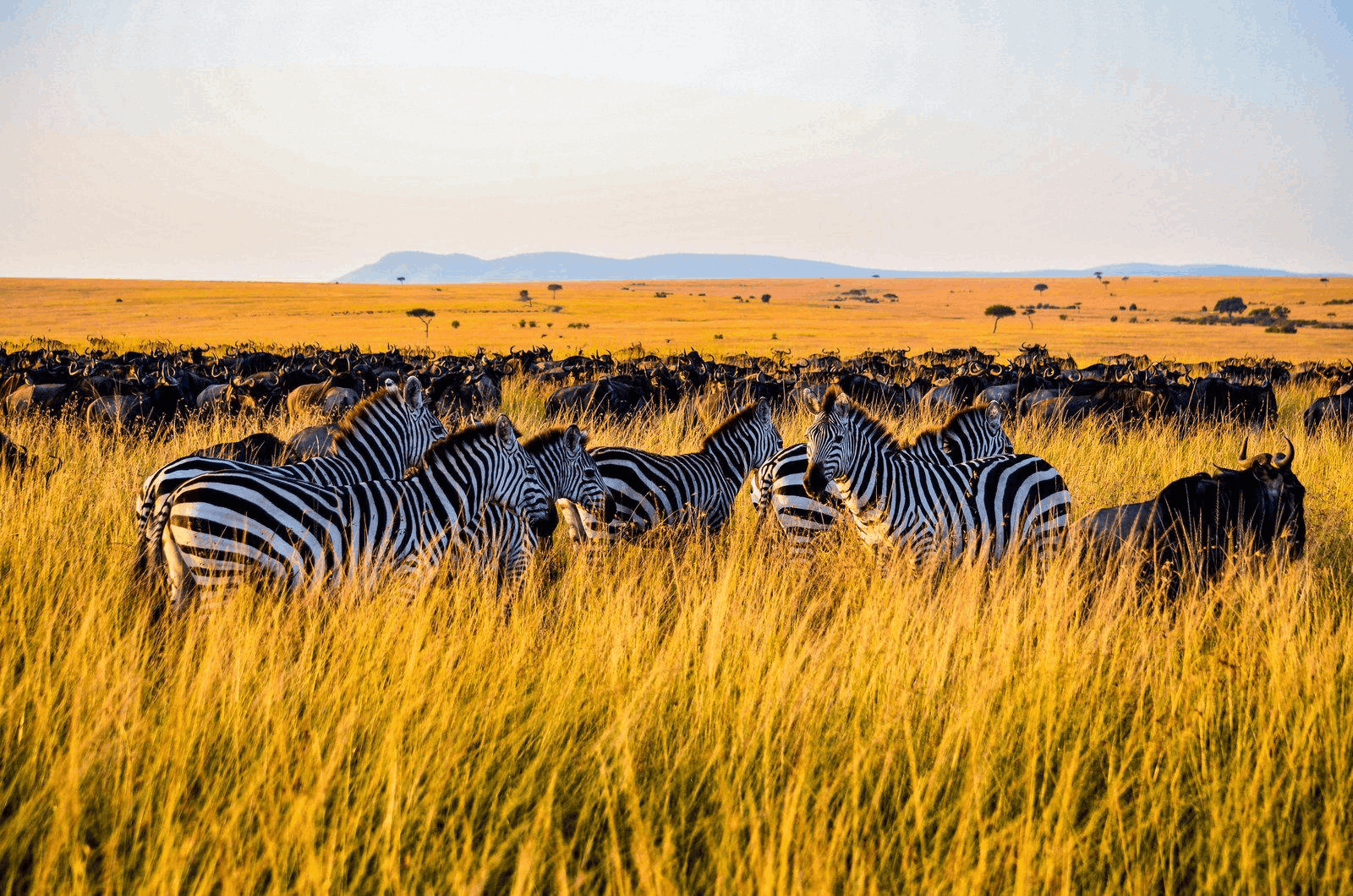
21 Days Kenya Safari and Beach Holiday
Embark on a tailor-made Kenyan safari adventure, exploring top wildlife destinations like Masai Mara, Samburu, and...

Kenya · Tanzania · Uganda · Rwanda · Zanzibar
Tailor-made Africa wildlife safaris, cultural encounters, and beach escapes crafted by local experts






Kwezi Safaris is an African wildlife safari operator based in Nairobi, Kenya. We have been designing and leading safaris across East Africa since 2013 — not as a booking platform, not as a tour aggregator, but as a small expert team that builds every itinerary by hand.
Our director, George Nchau, has held his guiding licence since 2013. He leads a team of specialists who between them cover Kenya, Tanzania, Uganda, Rwanda, and Zanzibar. Every safari we operate — whether it’s a 7-day Kenya wildlife safari, a Tanzania migration journey, or a gorilla trekking expedition in Bwindi — is designed specifically for the people taking it.
We are Travelife Certified Partners and members of Eco-Tourism Kenya. That certification is externally audited. It means the lodges we recommend, the suppliers we use, and the way we operate as a company is held to a verified standard — one that protects the wildlife and communities you travel to see.
If you seek an African wildlife safari customised to align with your specific interests, travel dates, and budgetary requirements—rather than a generic group tour—this option is ideal for you. Get in touch with our team, and we’ll start building it.
Embark on a tailor-made Kenyan safari adventure, exploring top wildlife destinations like Masai Mara, Samburu, and...
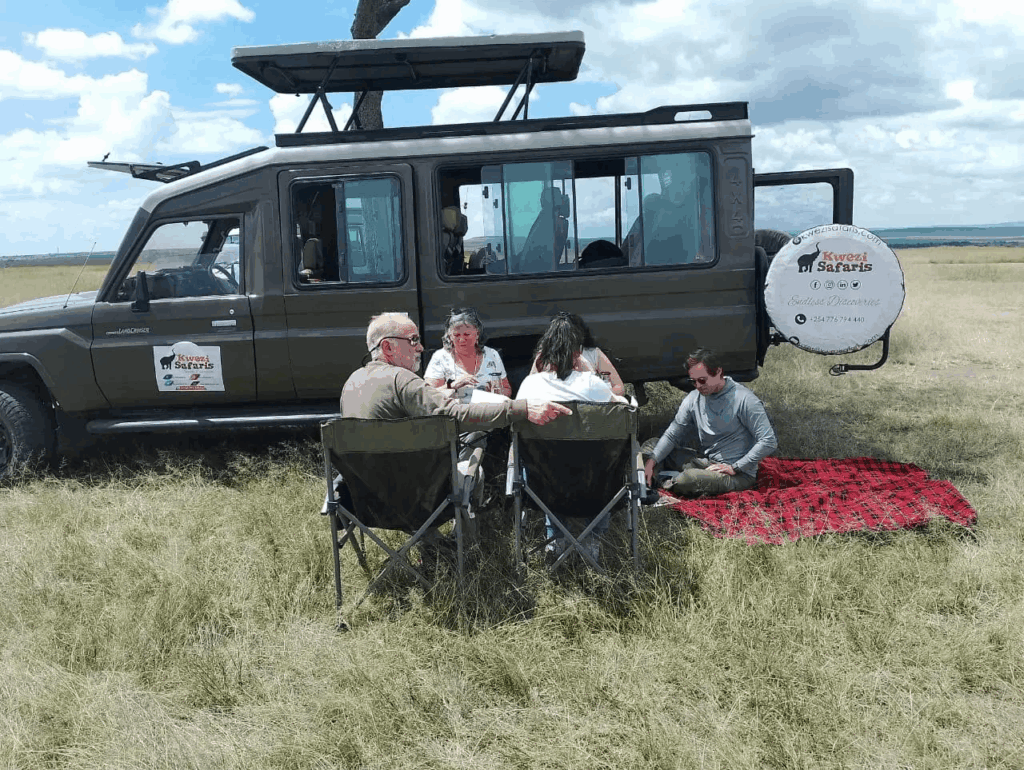
Prepare for an extraordinary 10-day wildlife safari expedition across the awe-inspiring landscapes of Kenya and Tanzania.
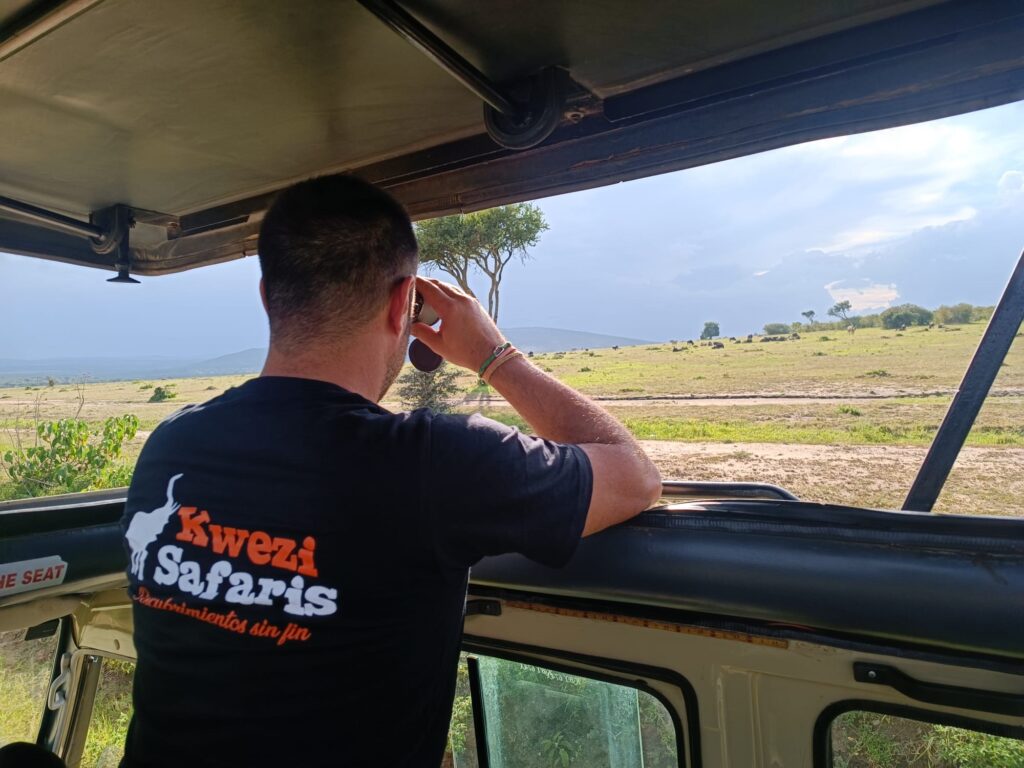
Embark on a true wildlife safari experience with our 21-Day Kenya and Tanzania Wildlife Safari, which explores the top wildlife…
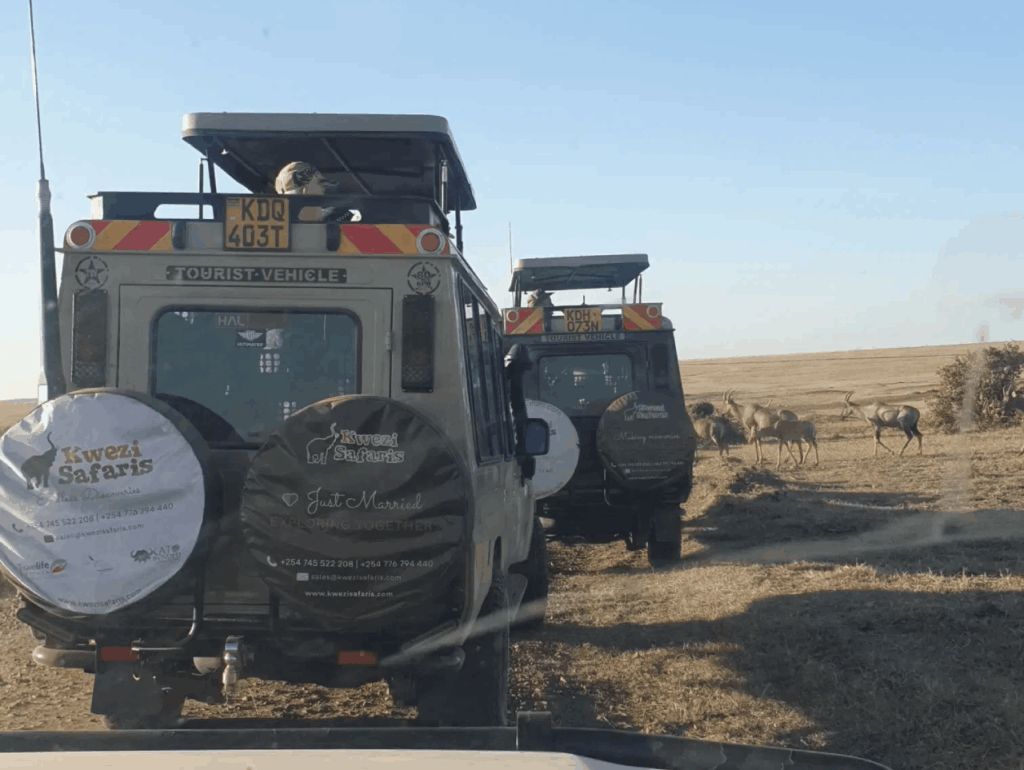
This 12-day Kenya safari and beach holiday offers a chance to experience Africa's wild landscapes and stunning coastline in one…
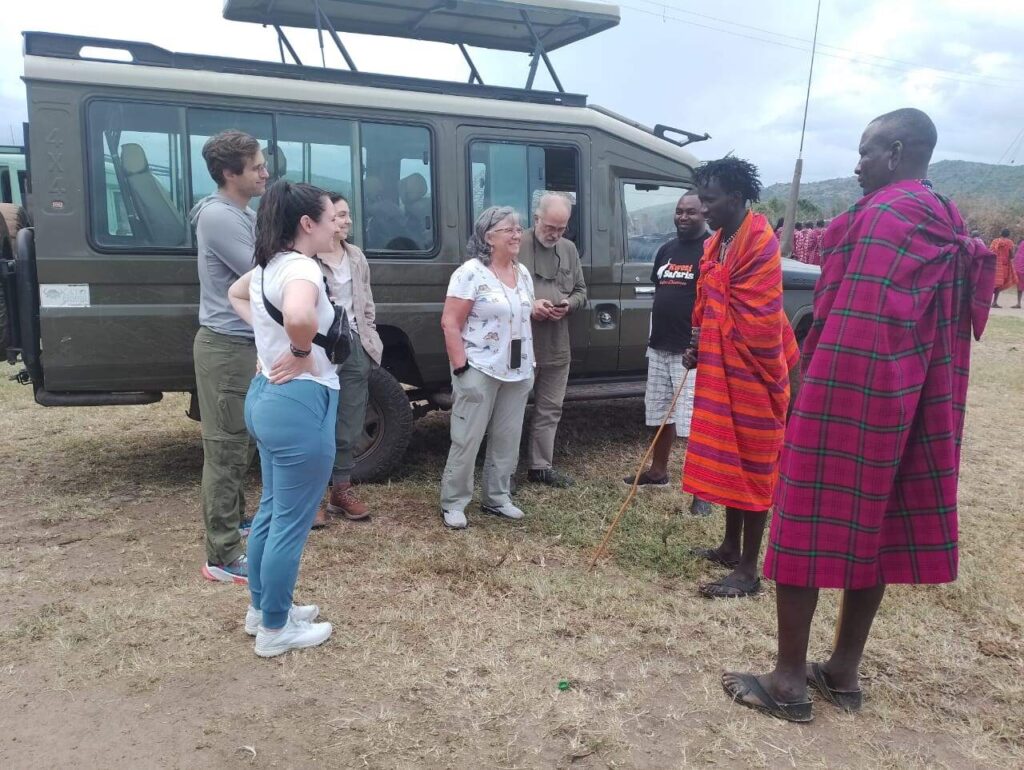
Embark on an exhilarating 8-day safari across Kenya's iconic wildlife destinations, including Amboseli, the Masai Mara and Lake Nakuru
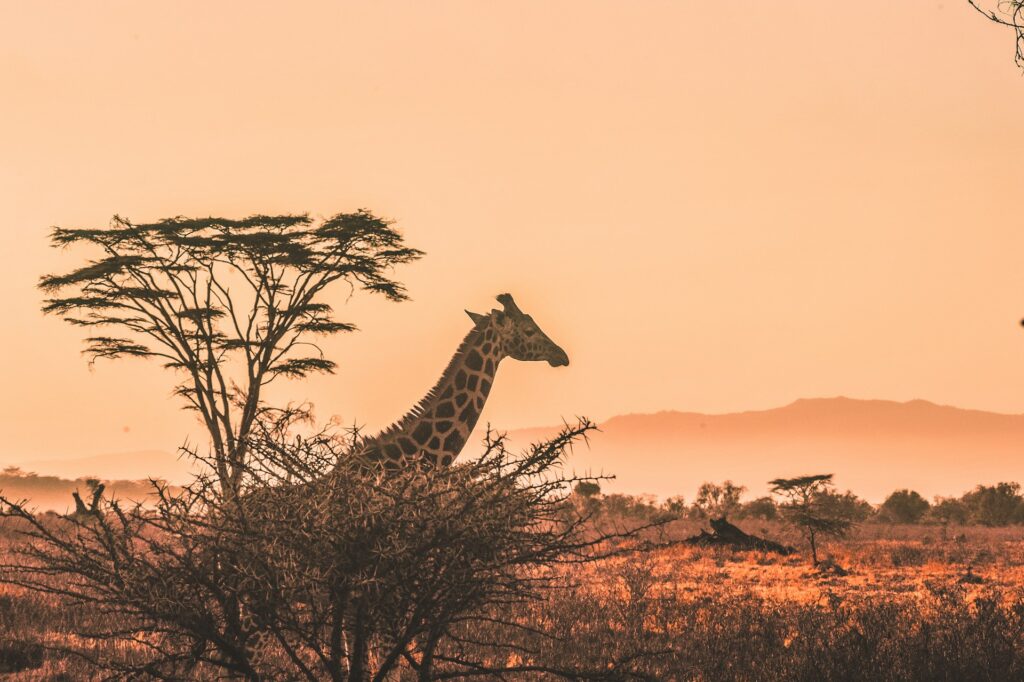
Embark on a luxury safari through Kenya’s breathtaking landscapes, where the thrill of the wild blends seamlessly with world-class comfort.
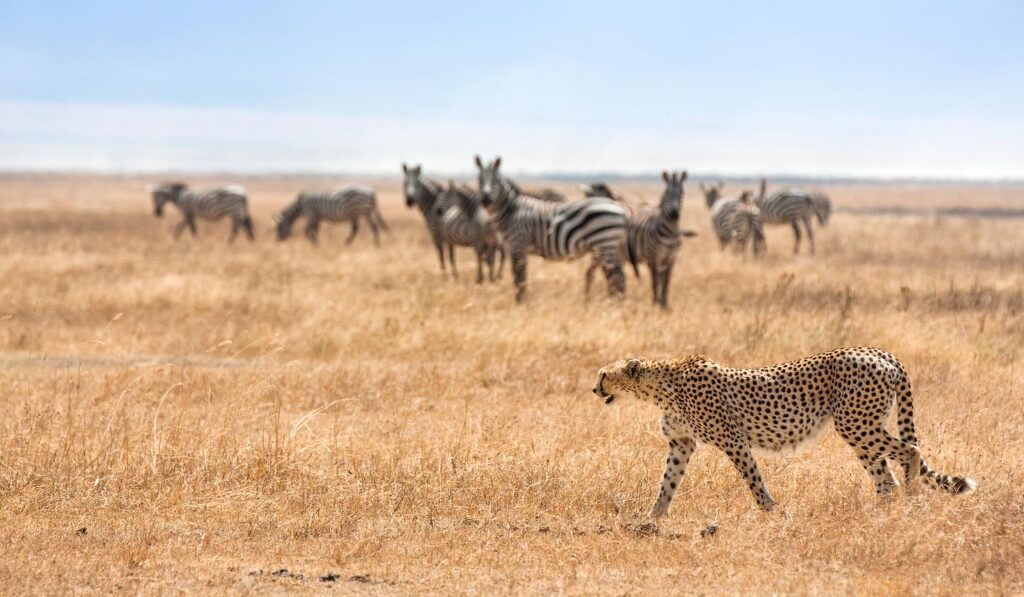
The Big Five, the Great Migration, and rare species tracked by licensed guides with over a decade of field knowledge across Kenya and Tanzania.
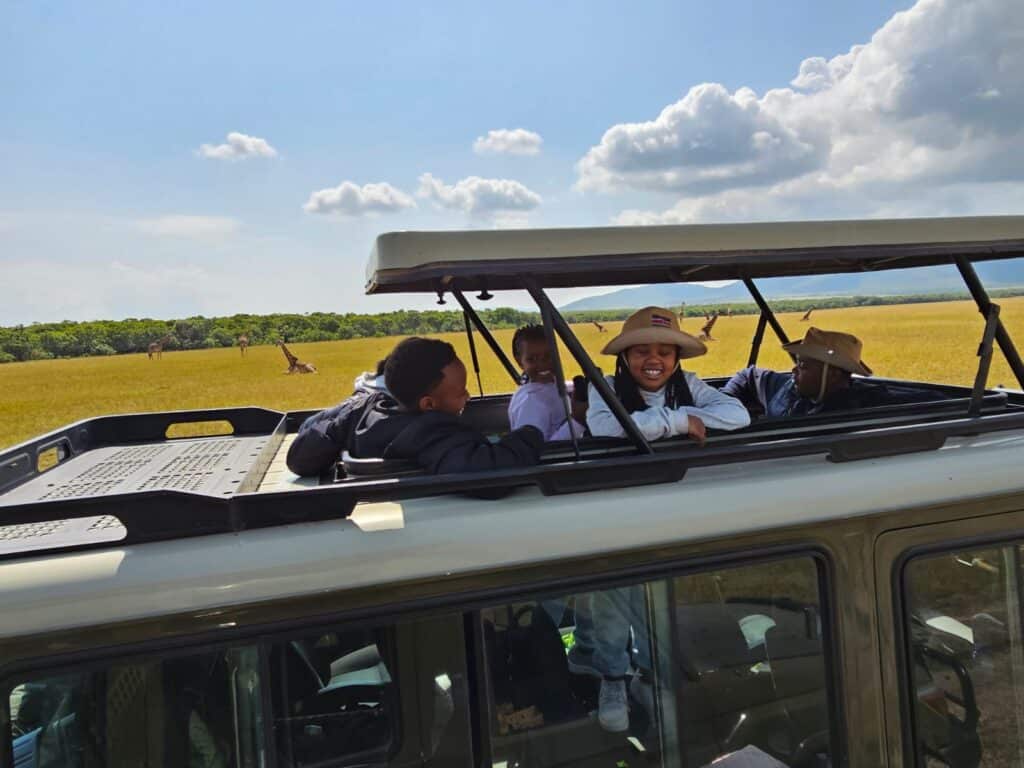
Age-appropriate game drives and cultural encounters designed for families traveling with children of all ages. Edward Chege is our most requested family guide.
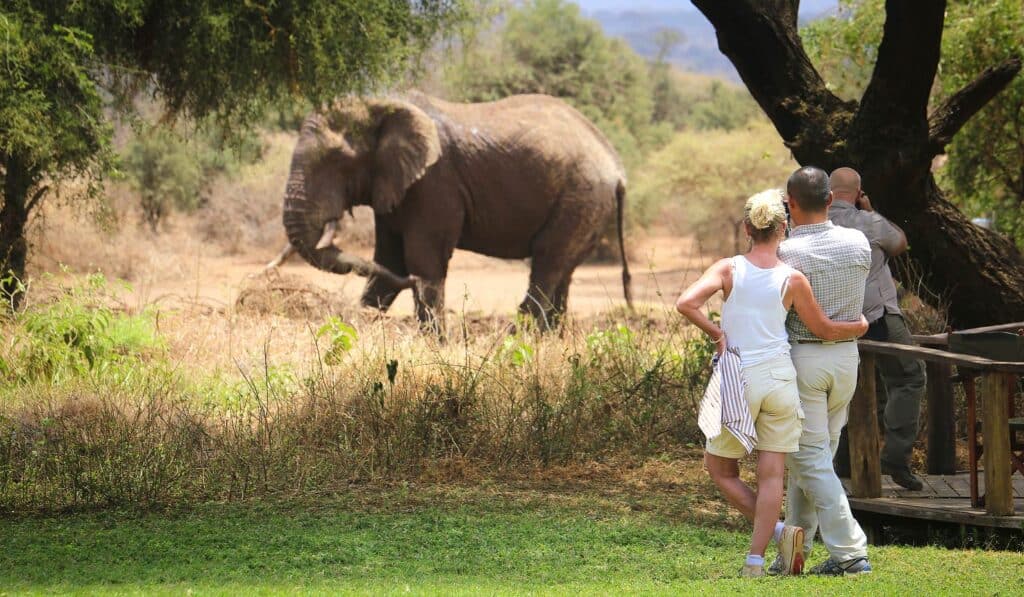
Private camps, sundowner cocktails, and moments designed to be remembered long after you return home. Every detail planned to surprise and delight.
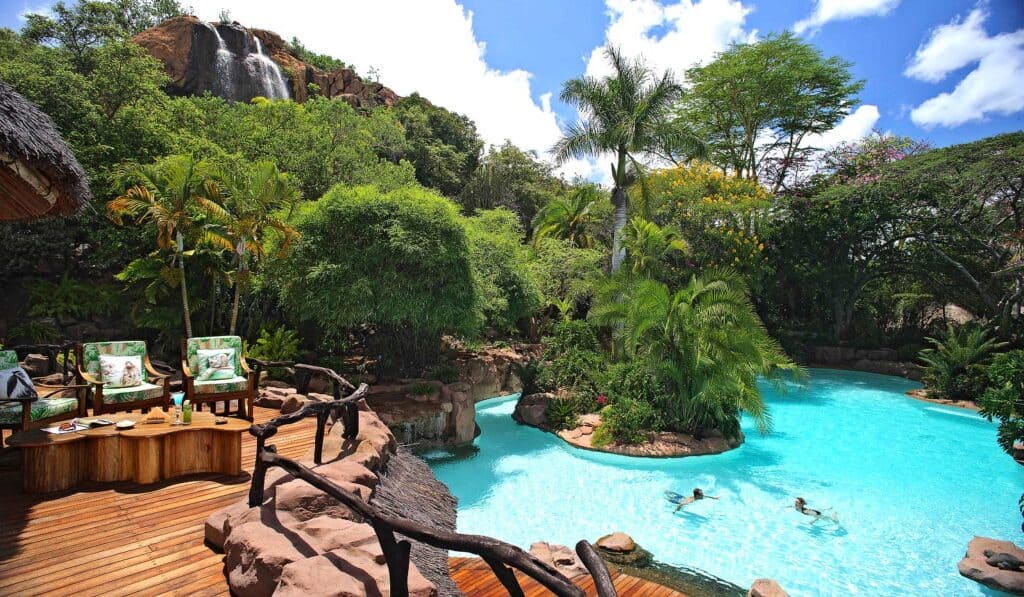
Boutique eco-lodges, private conservancies, and itineraries where every single detail is considered in advance. For travelers who expect the best.
George Nchau has held his guiding licence since 2003. Edward Chege knows every waterhole in the Masai Mara by name. Laban Swai grew up near the Serengeti. These are not trained tour guides — they are people formed by these landscapes, and that difference is felt on every single drive.
Our Travelife certification is verified by an external body. It means every lodge we recommend meets assessed environmental standards, every supplier we use meets ethical employment criteria, and every safari we operate actively contributes to conservation in the destinations you visit.
Diana Muimi starts every enquiry with a conversation, not a catalogue. We do not adapt group itineraries for private travelers. We design every journey from the beginning — around your travel dates, your pace, the wildlife you want to see, and the budget that works for you.
You will not deal with a call centre or a third-party booking agent at any point. From your first enquiry to your last game drive, you have direct access to the Kwezi team. AMREF Flying Doctors emergency evacuation cover is included on every itinerary we book.
If this sounds like the kind of operator you've been looking for
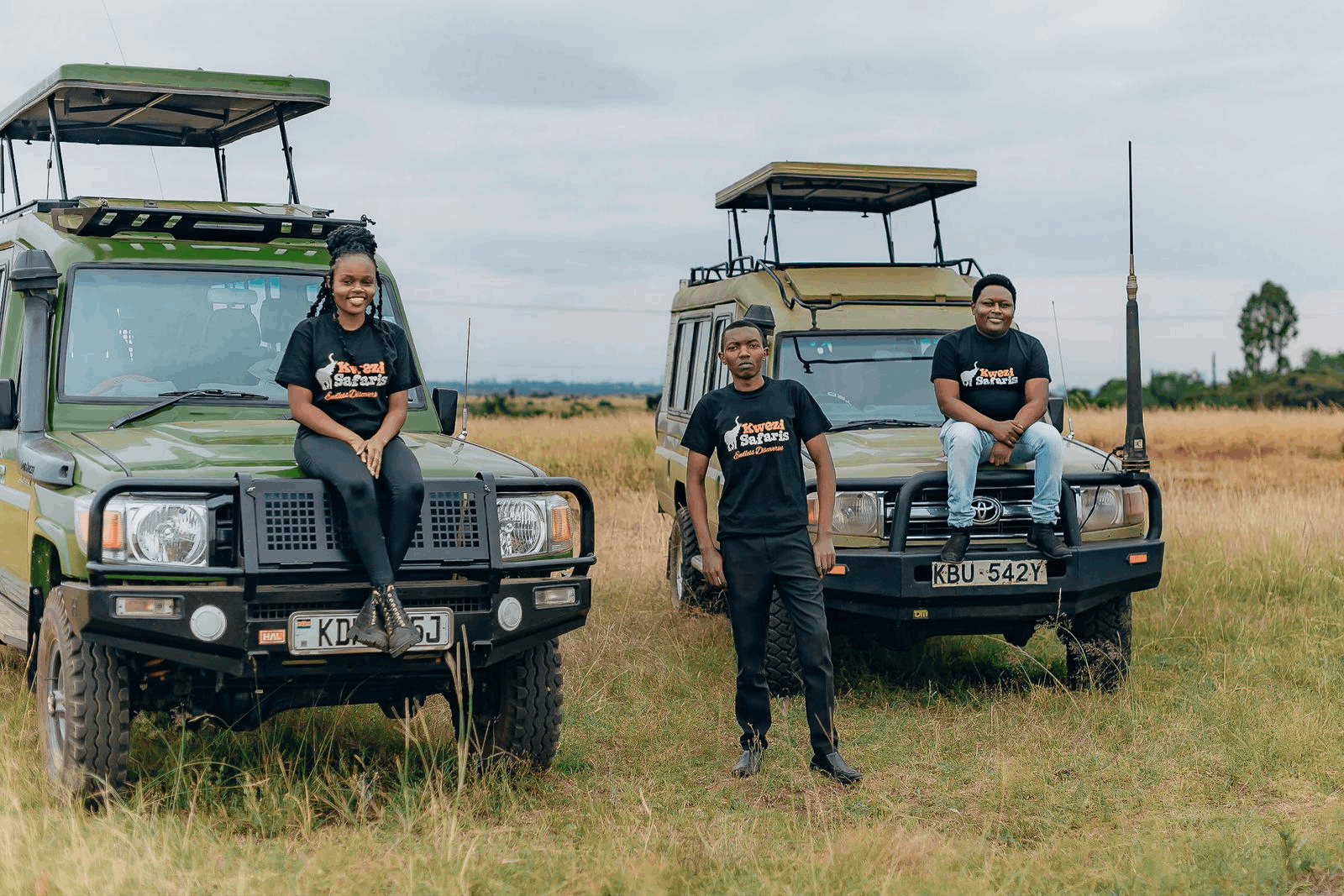
"We don't sell safaris. We design moments that people carry with them for the rest of their lives."
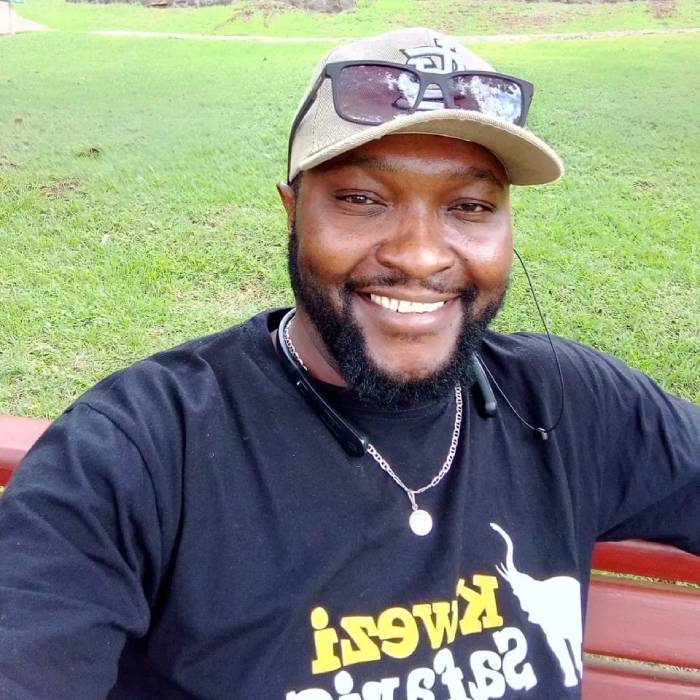
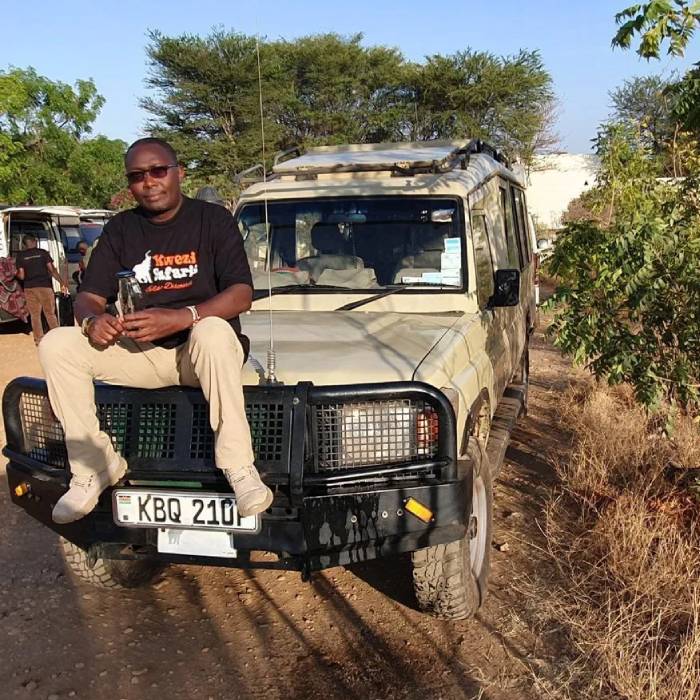
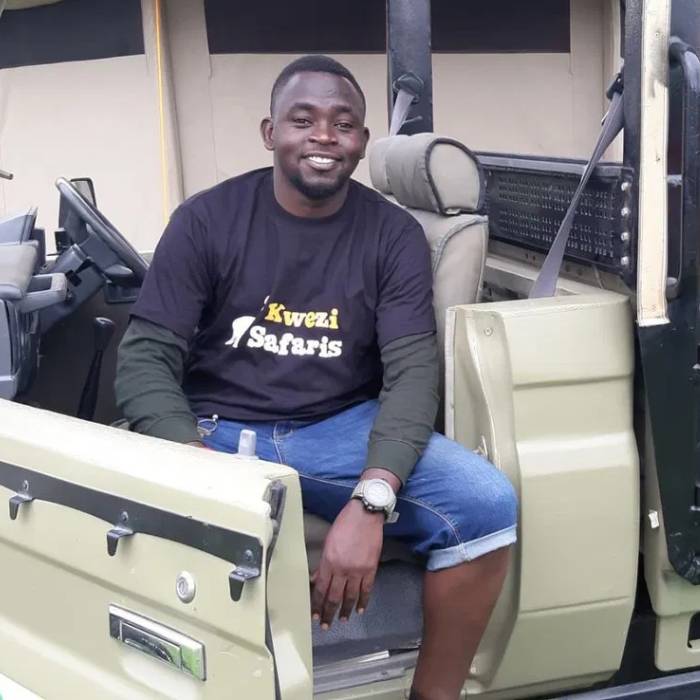
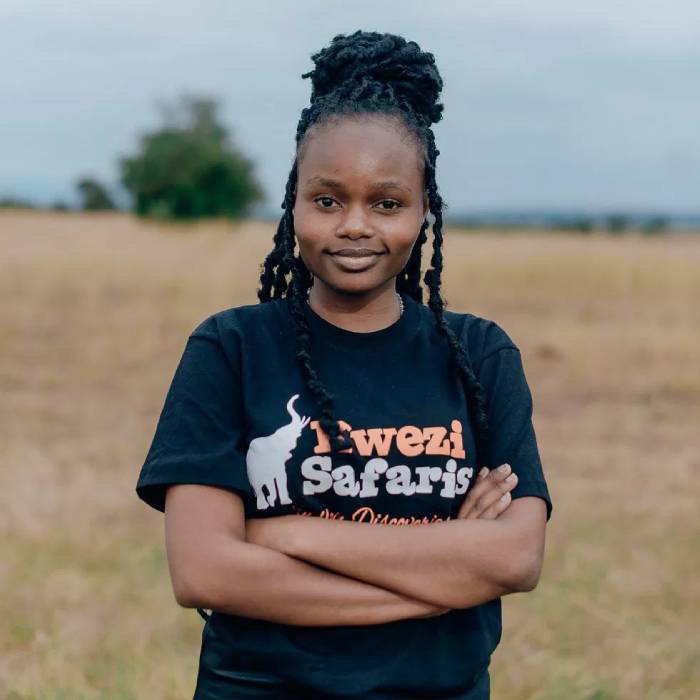
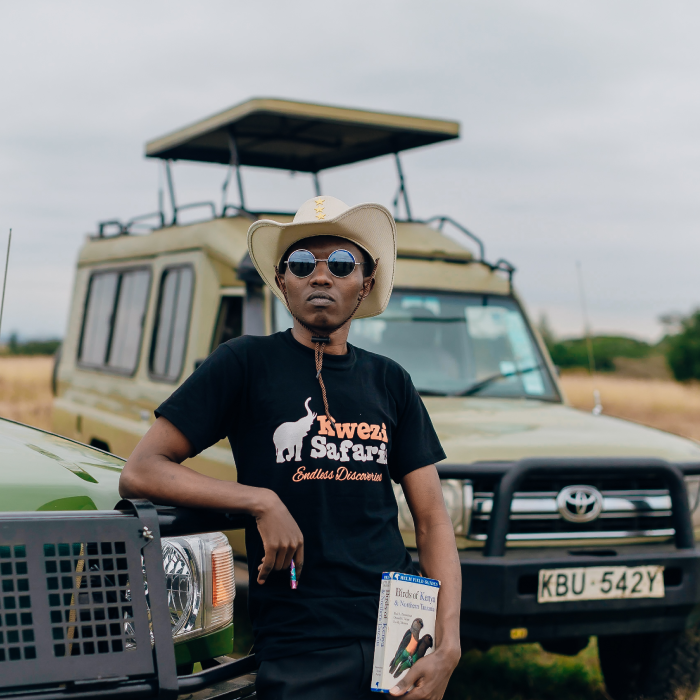
Speak directly with George or Diana no middlemen, no call centres.
Every enquiry is handled personally by the same team who will plan and lead your safari.
Tell us where you want to go, what you want to see, and how long you have. George and Diana will take it from there — designing an itinerary that fits your life, not a template pulled off a shelf.
No obligation, no pressure. George or Diana will respond within 24 hours with ideas tailored to your travel dates and budget.
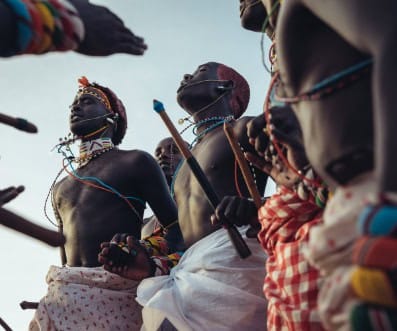 Culture
Most people visit Kenya for the Big Five and the Great Migration. But here’s what they’re missing: while everyone’s chasing lions in…
 Holidays
The question arrives in Diana Muimi’s inbox almost every week, worded in half a dozen different ways but always asking the same…
 Kenya
Kenya
In the heart of the Masai Mara and the Serengeti, there’s an electrifying moment that seasoned guides have learned to recognise. It’s…