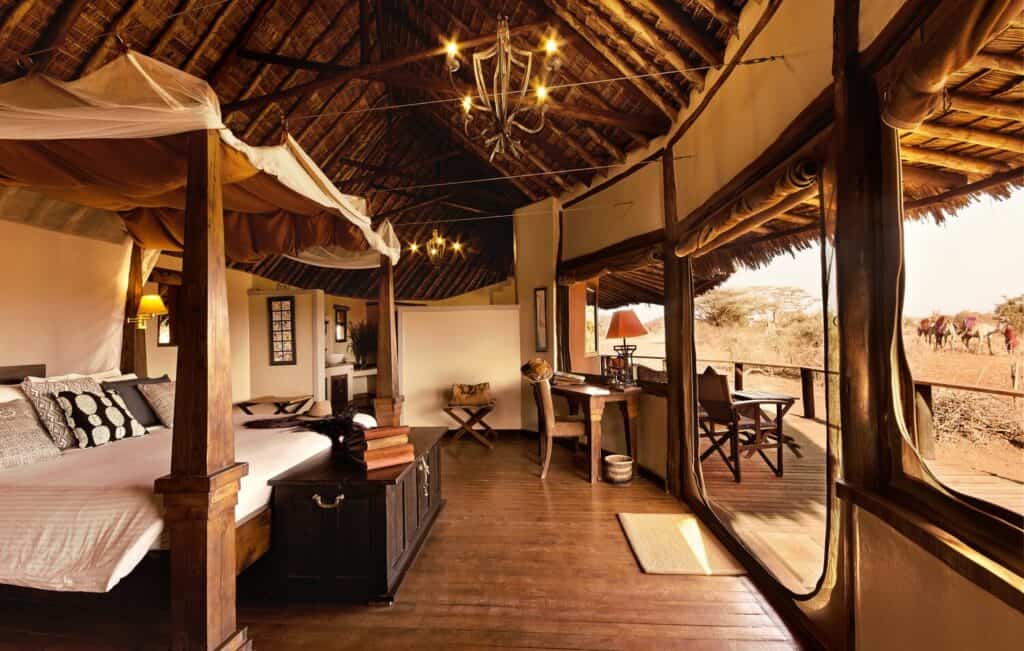
Tawi Lodge | Amboseli
$ 265/ night
Amboseli
The picturesque Tawi Lodge lies on a beautiful private concession at the foot of Mount Kilimanjaro, only ten minutes away from the...

Kenya · Amboseli
Where to stay in Amboseli, verified by a team that has stayed in every lodge on this list.




When considering accommodations in Amboseli National Park, the most crucial decision isn’t simply choosing between luxury and budget options—it’s all about location. Lodges situated within the national park itself, such as Ol Tukai Lodge and Amboseli Serena, boast proximity to the park’s renowned swamps, where large herds of elephants frequently gather. However, staying within the park means adhering to specific regulations that govern wildlife viewing. This includes restrictions on night drives, off-road driving, and walking safaris, which can limit the types of experiences you can enjoy.
On the other hand, lodges in the private conservancies that border the national park, such as Tortilis Camp, Tawi Lodge, and Elerai Camp, offer a different set of advantages. While these properties require a slightly longer drive to reach the swamps, they provide a wider array of activities. Guests at these lodges can partake in nighttime game drives, off-road excursions, and guided walking safaris, allowing for a more immersive wildlife experience. Moreover, conservation areas typically have lower vehicle density at any given sighting compared to the park, which enhances the experience by reducing crowding during wildlife observations.
Having stayed at both types of accommodations, we can provide insights into what each option genuinely offers, the associated costs, and the suitability for various preferences and needs. Whether you’re looking for a more regulated environment close to the heart of the park or a diverse range of adventurous activities in a less crowded setting, Amboseli has something to cater to every type of traveler.
Our full curated list, in one place.
1 property in this collection
Ol Tukai Lodge and Amboseli Serena Safari Lodge are both situated within the boundaries of Amboseli National Park, providing guests with direct access to the stunning wetlands that attract large herds of elephants throughout the year. However, these lodges are limited to standard game drives, which take place only during the park’s designated hours. This ensures that guests experience the park’s wildlife but within the confines of its rules.
In contrast, Tortilis Camp, Tawi Lodge, and Elerai Camp are located in adjacent conservancies that border the national park. These lodges offer a more expansive array of activities that are not permitted within the park itself. Guests staying at these conservancies can enjoy night drives, walking safaris, and off-road driving. This flexibility allows for a more immersive experience in the wilderness, enabling visitors to explore diverse habitats and wildlife behavior that is inaccessible during typical park visits.
Ultimately, neither option can be deemed objectively superior, as each caters to different preferences and travel styles. In-park lodges are ideal for travelers prioritizing proximity to wildlife, allowing for the quickest access to elephant sightings and other park attractions. Meanwhile, conservancy lodges appeal to those seeking a more adventurous experience, embracing the opportunity to engage in activities outside the restrictions of the national park, despite requiring a slightly longer transfer to reach the park itself.
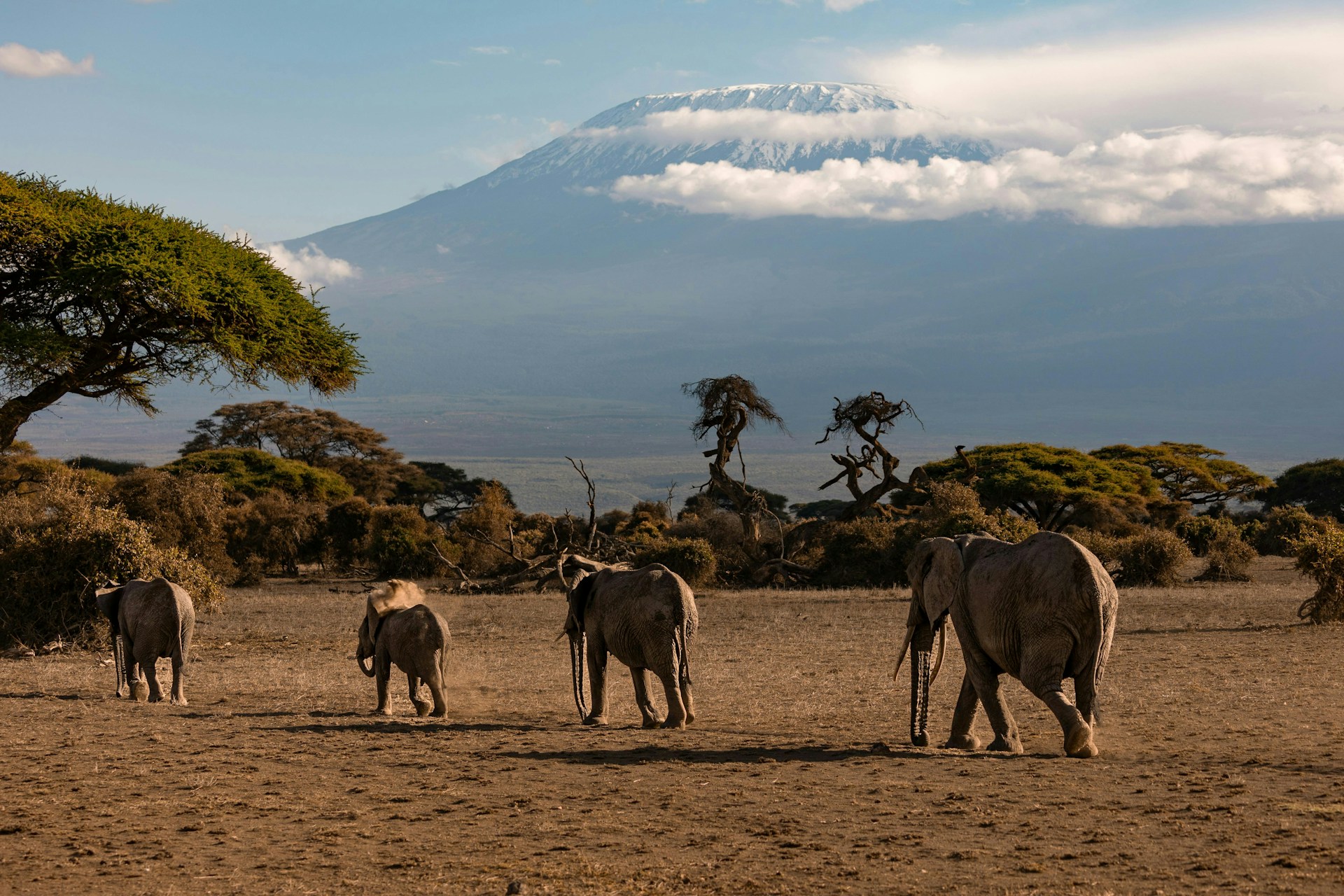
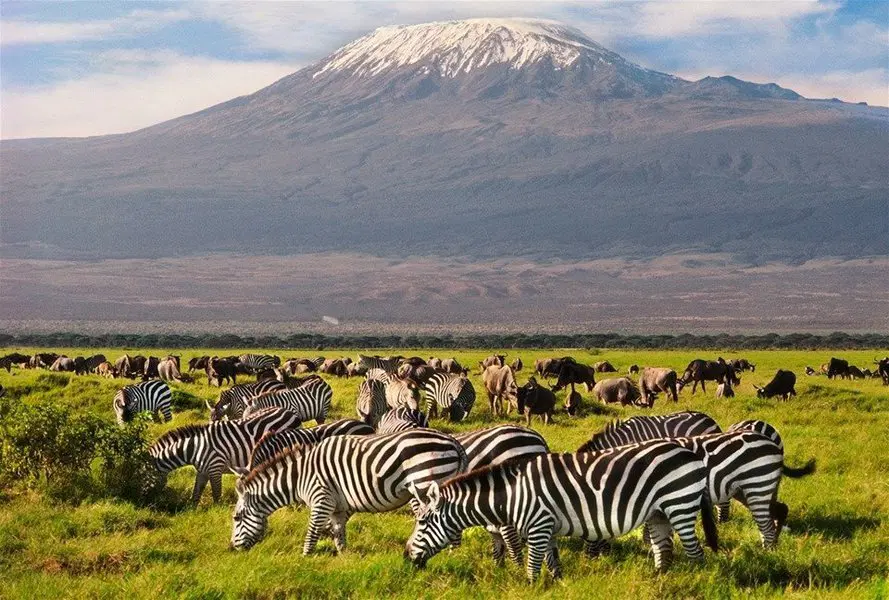
Mount Kilimanjaro, the majestic giant that towers over the African landscape, is sometimes visible from the picturesque Amboseli National Park, but this sight is dependent on the whims of the weather. Throughout the day, clouds often blanket the peak, creating a dramatic dance of light and shadow. However, as dawn breaks and the world begins to stir, the clouds frequently lift to reveal the stunning silhouette of the mountain. Similarly, in the hour leading up to sunset, the sky often clears, offering another fleeting glimpse of its grandeur.
For those seeking a perfect photograph of Kilimanjaro, positioning yourself at either Tortilis Camp or Ol Tukai Lodge is a wise choice. Both lodges boast strategic locations that provide a clear view of the mountain when conditions align in your favour. Yet, it’s essential to keep in mind that no accommodation can assure you of a sighting on any specific day; nature has its own agenda.
To maximise your chances of capturing that iconic shot, plan an early morning game drive to witness the awakening wildlife against the backdrop of Kilimanjaro. Then, savour a sundowner as the sun sets, painting the sky in hues of orange and purple- two golden opportunities to potentially see the peak in all its glory, rather than banking on visibility throughout the entire day.
Amboseli offers a range of lodging options, with prices starting around $150 per night for comfortable mid-range tented camps and going up to $600 or more for the high-end suites at Tortilis Camp. The distinction between budget and luxury accommodations does not primarily lie in wildlife access, as both categories are situated close enough to the park for excellent game drives. Instead, the differences relate more to room size, availability of private decks, quality of dining, and staff-to-guest ratios. Let us know your budget, and we can provide you with insights on which accommodation tier will genuinely enhance your experience and which options merely offer additional luxuries.
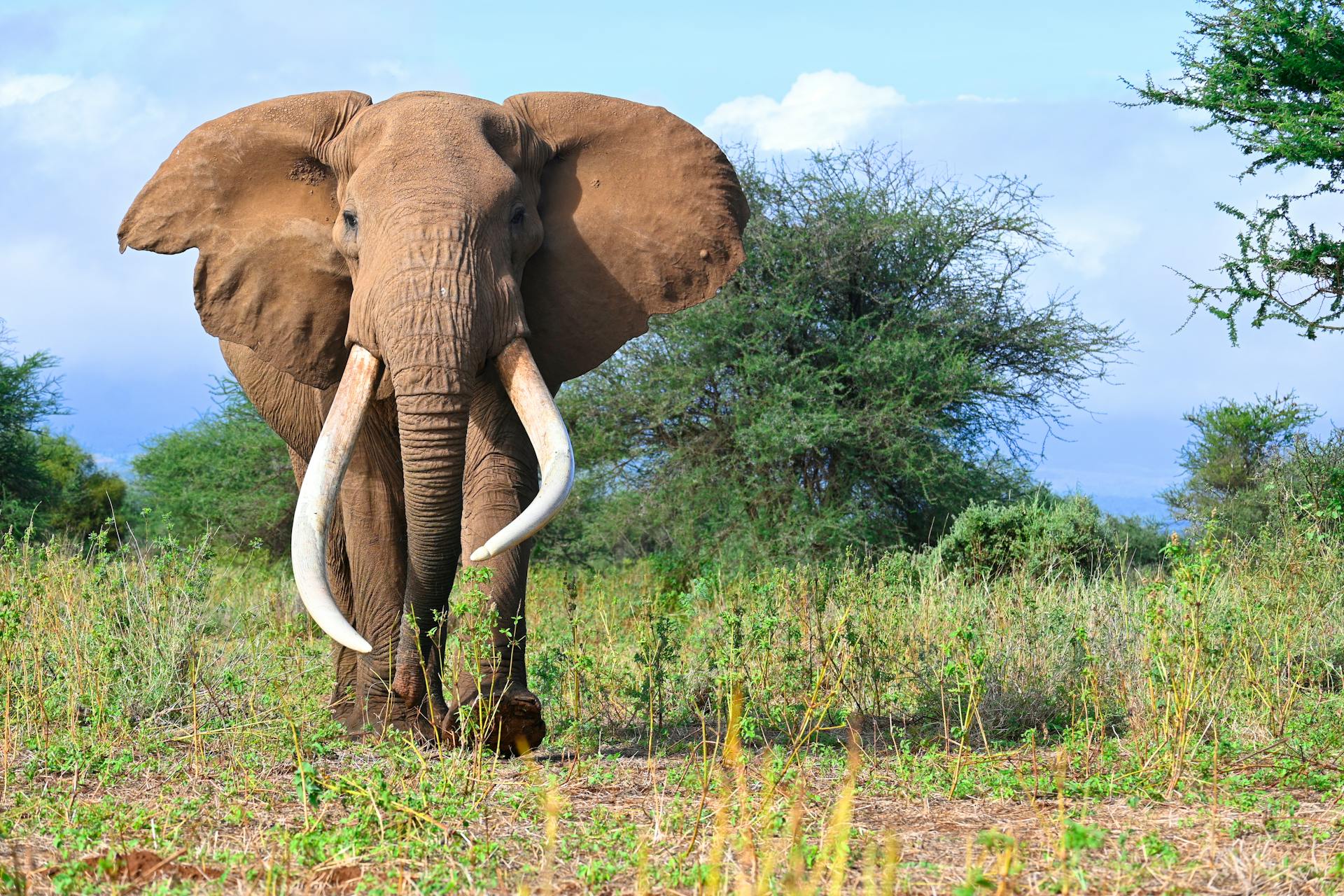
Amboseli National Park is renowned for its remarkable elephant populations, known as some of the most habituated in Africa. These majestic herds have been the subject of in-depth study since the 1970s, allowing wildlife guides to recognize individual elephants and understand their intricate behavior patterns like few other parks can offer. The park’s expansive swamps, which are vital to the elephants, also serve as a thriving habitat for an impressive diversity of over 370 recorded bird species. This unique combination makes Amboseli a prime destination not only for those captivated by these gentle giants but also for passionate birdwatchers eager to experience the vibrant avian life.
Accommodations situated near the swamps, particularly the lodges located within the park, provide visitors with front-row access to this rich tapestry of wildlife. Staying close to these water sources enhances the opportunity to witness the daily rhythms of both elephants and birds, creating an unforgettable experience for nature enthusiasts.
June through October and January through March are Amboseli’s driest windows, when Kilimanjaro’s cloud cover is least persistent and wildlife concentrates most reliably around the remaining water sources. The wetter months bring lush scenery and fewer vehicles, but less predictable mountain views and, at times, muddier access roads.
We plan around your travel dates first, then tell you honestly what to expect from the mountain and the wildlife during that window.
Amboseli pairs naturally with the Maasai Mara or Tsavo as part of a longer Kenya itinerary, or with a short coastal extension via Mombasa. Its proximity to Nairobi, roughly a 4 to 5 hour drive or a 45-minute flight, makes it one of the easiest parks to fit into even a shorter trip.
In-park lodges and conservancy camps alike, so our recommendations aren't guesswork.
Night drives versus proximity to the swamps, explained honestly before you book.
Every stay we arrange is built around your own itinerary, not a fixed group schedule.
That access means better rates and more current availability than a booking platform can offer.
Tell us your budget and whether night drives matter to you. We will match you to the right lodge, in the park or in a conservancy, and build a private itinerary around it.
Tell us which lodges you're considering and when you'd like to travel. We reply within 24 hours with a private itinerary built around it.
Holiday offer · until 30 November
Selected private safaris from 8 to 21 days across Kenya and Tanzania. Book by 30 November and travel whenever you like.
$200 Discount on the total booking. Valid on bookings confirmed by 30 November 2026, for any travel date.