Serengeti National Park isn’t just another wildlife reserve—it’s a 14,763-square-kilometre masterpiece of nature that has remained virtually unchanged for over a million years. When you factor in the contiguous protected areas including the famous Ngorongoro Conservation Area, the entire Serengeti-Mara ecosystem sprawls across a staggering 30,000 square kilometres of pristine African wilderness.
This UNESCO World Heritage Site and recognized “Ten Natural Travel Wonders of the World” recipient delivers what serious safari enthusiasts dream about: unfiltered, raw encounters with Africa’s most spectacular wildlife in their natural habitat.
The Great Migration: Nature’s Most Dramatic Spectacle
The Serengeti Migration represents the planet’s most extraordinary wildlife event. Each year, over 1.5 million wildebeest, 200,000 zebras, and 350,000 gazelles embark on a relentless 800-kilometre circular journey following the rains and fresh grazing.
Between June and October, travellers witness the most heart-stopping chapter of this ancient cycle: the Mara River crossings. Watch as desperate herds plunge into crocodile-infested waters, driven by instinct and the need for survival. The sound alone—hooves pounding earth, animals bellowing, water splashing—creates a symphony you’ll never forget.
However, many don’t realise that the Migration offers year-round viewing opportunities. From January through February, witness the calving season when approximately 500,000 wildebeest calves are born within a concentrated three-week period on the southern plains. It’s a predator’s feast and a photographer’s paradise as newborns take their first wobbly steps while cheetahs, lions, and hyenas circle opportunistically.
Serengeti Three Distinct Ecosystems, Endless Adventures
The Southern Serengeti Plains
These vast treeless grasslands define the classic Serengeti image. From December to May, these nutritious short-grass plains transform into a nursery ground for the Great Migration herds. Beyond wildebeest and zebras, you’ll encounter Thomson’s and Grant’s gazelles, topi, hartebeest, buffalo, and waterbuck grazing peacefully—until the resident lion prides make their presence known.
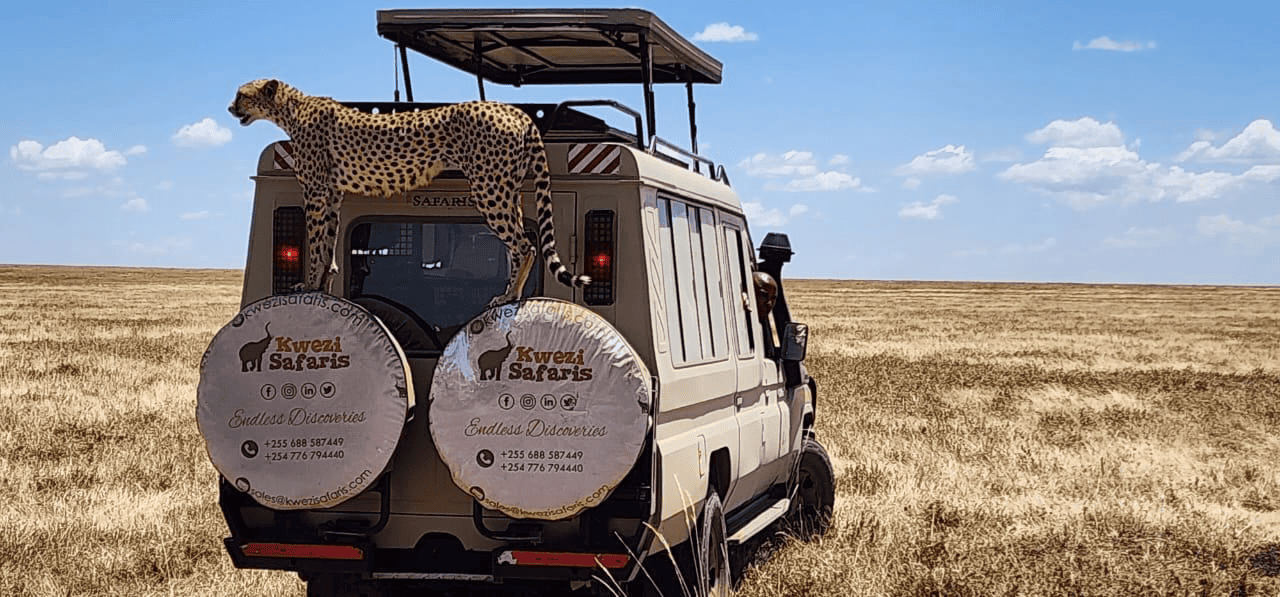
The open terrain makes wildlife spotting exceptionally rewarding. Watch cheetahs surveying their domain from termite mounds, or witness the dramatic confrontation when a coalition of male lions challenges a buffalo herd.
The Western Corridor
Following the legendary Grumeti River through riverine forests and woodlands, this corridor comes alive during June and July when Migration herds attempt perilous river crossings. The Grumeti’s massive Nile crocodiles—some exceeding five metres in length—wait patiently for their annual feast.
This region supports incredible biodiversity: troops of black-and-white colobus monkeys swing through forest canopies, hippo pods bask in pools, and martial eagles scan for prey from towering fig trees.
The Northern Serengeti
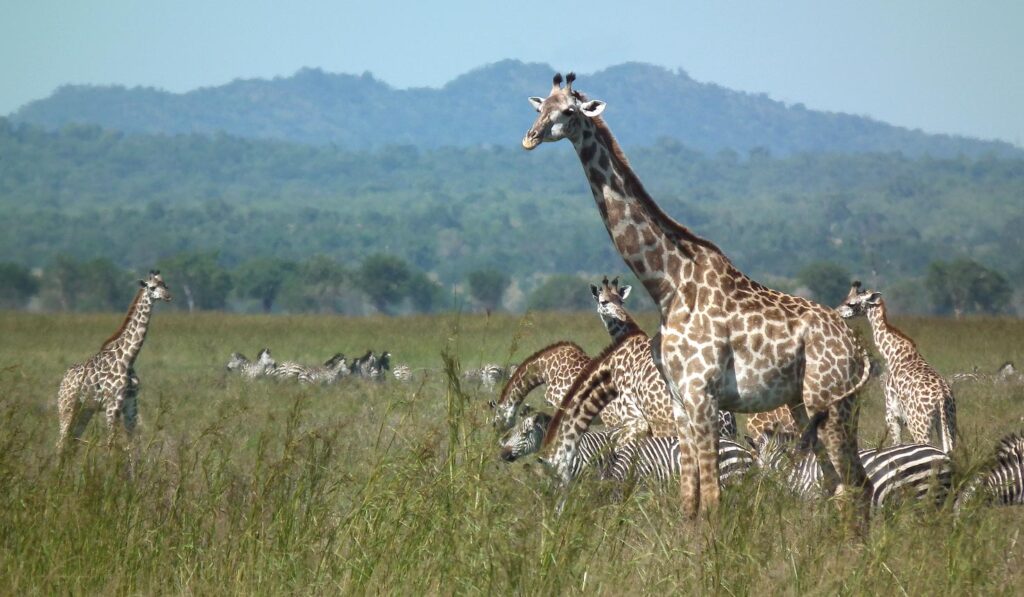
Characterized by rolling hills, scattered woodlands, and dramatic kopjes (rocky outcrops), this less-visited region offers intimate safari experiences from August through October during the northern Migration phase. The landscape particularly favours elephants and giraffes, along with healthy populations of leopards that use the kopjes as strategic vantage points.
Predator Paradise: The Big Cats of Serengeti
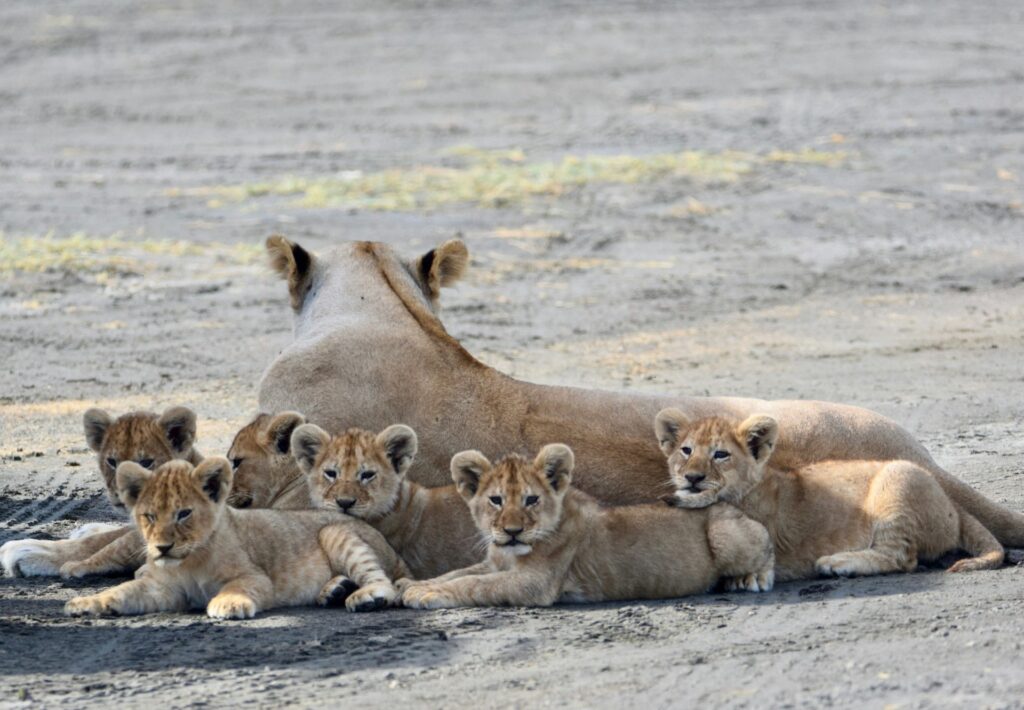
Serengeti National Park boasts Africa’s highest concentration of predators. An estimated 3,000 lions roam the ecosystem—the largest population on the continent. The open plains provide perfect hunting grounds, and witnessing a coordinated pride hunt ranks among safari’s most thrilling experiences.
Cheetahs thrive here too, with the short-grass plains offering ideal conditions for high-speed pursuits reaching 110 kilometres per hour. Meanwhile, elusive leopards patrol the rocky kopjes and riverine forests, often hauling kills into acacia trees to escape scavenging hyenas.
The park’s spotted hyena clans number in the thousands, their whooping calls echoing across the night. Don’t underestimate these intelligent hunters—they actually kill more prey than they scavenge, contrary to popular belief.
Ancient Landscapes and Human Heritage
The Serengeti ecosystem represents one of Earth’s oldest environments. The same grasses that sustained wildlife a million years ago still carpet these plains today. This timeless quality creates a profound connection to Africa’s prehistoric past.
Just beyond the park boundaries lies Olduvai Gorge, where Dr. Louis and Mary Leakey discovered evidence of early human ancestors dating back 2 million years. Ancient stone tools and fossilized footprints remind us that this landscape witnessed humanity’s earliest chapters.
Conservation Success and Ongoing Challenges
Tanzania National Parks manages Serengeti under the National Parks Ordinance Cap 412 and the Wildlife Conservation Act, ensuring robust legal protection. The current General Management Plan (2006-2016) addresses four crucial themes: Ecosystem Management, Outreach Services, Tourism Management, and Park Operations.
Despite these frameworks, challenges persist. Poaching remains a constant threat, requiring sophisticated anti-poaching units and community engagement. The transnational Mara River faces upstream pressures from agricultural development and water extraction. Climate variability affects rainfall patterns, potentially disrupting migration timing.
Tourism management presents its own balancing act—welcoming visitors while protecting the wilderness experience that makes Serengeti extraordinary.
Planning Your Serengeti Safari Adventure
The beauty of Serengeti National Park lies in its year-round appeal. Whether you’re chasing the Great Migration’s dramatic river crossings (June-October), witnessing the calving season’s predator action (January-February), or enjoying fewer crowds during the “emerald season” (March-May), this wilderness delivers unforgettable experiences.
Most visitors access Serengeti through Kilimanjaro International Airport or Arusha, combining their safari with other northern Tanzania highlights like Ngorongoro Crater, Tarangire National Park, or Lake Manyara.
Your Gateway to Africa’s Greatest Wildlife Theater
Serengeti National Park isn’t just Tanzania’s most popular destination—it’s where Africa reveals its most authentic, untamed face. From the thunder of the Great Migration to the silent stalk of a hunting leopard, from star-filled nights on the savanna to sunrises painting the plains in gold, the Serengeti offers moments that transcend ordinary travel.
This is more than wildlife viewing. It’s witnessing nature’s grand design unfold exactly as it has for millennia. It’s understanding why Africa captures hearts and refuses to let go.
Ready to experience the ultimate Serengeti safari? The plains are calling, and the adventure of a lifetime awaits in Tanzania’s crown jewel of wilderness.