
Kidepo Valley National Park: Uganda’s Wild Frontier Where Solitude Reigns Supreme
There’s a particular quality of silence that exists only in places the modern world has forgotten, not the absence of sound, but rather nature’s symphony playing uninterrupted by civilization’s static. In Kidepo Valley National Park, tucked into Uganda’s remote northeastern corner where the country kisses both South Sudan and Kenya, this silence speaks with profound eloquence. Here, in 1,442 square kilometers of pristine wilderness so isolated that it receives merely a few hundred visitors annually, you experience Africa as it existed before tourism, before roads carved through every landscape, before “peak season” meant jostling for position to photograph the same lion everyone else is photographing.
This is Uganda’s wild soul laid bare, a landscape so spectacular that seasoned safari guides who’ve worked across the continent consistently rank Kidepo among Africa’s most beautiful parks, yet so remote that reaching it requires either bone-jarring two-day drives over rough roads or expensive charter flights. That remoteness, while challenging accessibility, creates Kidepo’s greatest asset: genuine wilderness solitude increasingly impossible to find in Africa’s more famous parks.
The Valleys: Where Wildlife Congregates and Beauty Overwhelms
Kidepo Valley National Park takes its name from the Kidepo River, a seasonal waterway that during the dry season exists only as sandy riverbeds winding through dramatic landscapes framed by rugged mountains. Yet these seemingly barren river courses, lined with distinctive Borassus palms creating surreal Dr. Seuss-like silhouettes against impossibly blue skies, hold profound beauty that photographers and painters struggle to adequately capture.
The Narus Valley, however, provides the park’s wildlife heartbeat. Here, the Narus River maintains permanent pools throughout even the harshest dry seasons, creating the only reliable water source across vast wilderness areas. This hydrological reality transforms Narus into a wildlife magnet—between June and September, when surrounding areas desiccate completely, animals concentrate around these precious pools in densities rivaling anywhere in East Africa.
Stand at a Narus Valley viewpoint during late dry season and witness nature’s brutal mathematics: thousands of buffalo darkening the plains, elephant families traversing between woodland and water, zebra herds, various antelope species, and always—always—the predators following prey to inevitable water. Lions patrol the margins patiently. Leopards lurk in riverine thickets. And occasionally, cheetahs appear, their presence in Uganda restricted almost exclusively to Kidepo, hunting across the open grasslands with explosive speed.
Wildlife Diversity: The Big Four Plus Rarities
Kidepo Valley National Park Uganda delivers exceptional wildlife viewing featuring species combinations found nowhere else in the country. While Uganda lacks rhinos (making the “Big Five” impossible), Kidepo’s “Big Four”—lions, leopards, elephants, and buffalo—all maintain healthy populations alongside rarities that elevate the park to special status.
The ostriches wandering Kidepo’s grasslands represent Uganda’s only wild ostrich population—these magnificent flightless birds, standing over two meters tall, exist here in splendid isolation from other Ugandan wildlife areas, their presence testament to Kidepo’s unique semi-arid character more reminiscent of Kenya’s northern parks than Uganda’s typically lusher environments.
Cheetahs—those spectacular sprinters capable of reaching 70 mph in explosive bursts—inhabit Kidepo in small numbers, Uganda’s only location where these cats maintain populations. Watching cheetahs hunt across Kidepo’s open plains, their hunting strategy so different from ambush-specialist leopards or cooperative-hunting lions, delivers wildlife drama few Ugandan parks can match.
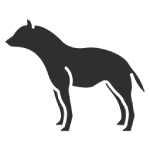
The park also harbors species rarely seen elsewhere: bat-eared foxes with their enormous ears designed for detecting underground insects, striped hyenas (distinct from the more common spotted hyenas found in other Ugandan parks), caracals occasionally glimpsed hunting in the grasslands, and aardwolves—those specialized termite-eating relatives of hyenas that emerge after dark.
Rothschild’s giraffes—among the world’s most endangered giraffe subspecies—browse Kidepo’s acacia woodlands, their distinctive white “stockings” extending above the knees identifying them as this rare subspecies. These elegant creatures, combined with various antelope species including lesser kudu, greater kudu, eland, and the graceful Bright’s gazelle, create herbivore diversity exceptional even by East African standards.
Avian Paradise: 476 Species in Splendid Isolation
With over 476 recorded bird species, Kidepo National Park ranks among Africa’s premier birding destinations, its avian diversity resulting from the park’s position at the intersection of several biogeographic zones. Species from East Africa, northeastern Africa, and even Sahel savannah zones converge here, creating assemblages found nowhere else in Uganda.
The park harbors numerous species at the extreme limits of their ranges—birds you’d typically encounter only in Kenya’s northern deserts or South Sudan’s grasslands appear in Kidepo, making it essential for comprehensive Ugandan bird lists. Notable species include the magnificent Karamoja apalis (endemic to this region), ostriches (Uganda’s only location), secretary birds stalking through grasslands, various hornbills, and countless raptors soaring on thermals created by the valleys’ topography.
Serious birders can record 200+ species during multi-day visits, while casual observers appreciate the colorful diversity without requiring encyclopedic identification knowledge.
Mountains and Valleys: Landscapes That Humble
The Morungole Mountain—rising to 2,750 meters and forming Kidepo’s highest peak—dominates the southern landscape, its slopes harboring montane forests contrasting dramatically with surrounding savannah. The mountain provides hiking opportunities for active visitors, trails ascending through changing vegetation zones revealing different ecosystems stacked vertically.
But it’s the interplay between valleys and mountains that creates Kidepo’s signature aesthetic. Stand at valley viewpoints and watch storm systems sweeping across the landscape, lightning illuminating distant peaks, rain visible as gray curtains advancing across the plains, and occasionally—if fortune favors—double rainbows arcing across skies so vast they seem to curve with the earth’s surface.
The landscape’s scale humbles human perspective. This isn’t gentle, managed wilderness. This is raw, powerful nature operating by ancient rules where humans remain tolerated guests rather than entitled masters.
Cultural Encounters: The Karamojong and Ik People
Kidepo extends beyond wildlife into profound cultural dimensions through encounters with the Karamojong and Ik peoples—communities maintaining traditions stretching back millennia despite modernity’s relentless advance.
The Karamojong—semi-nomadic pastoralists whose cattle-centered culture dominates much of northeastern Uganda—live in villages surrounding the park. Cultural visits reveal communities where traditional governance structures persist, where cattle represent wealth and status more than money does, where warriors still carry spears and shields, and where elaborate beadwork adorns bodies in patterns conveying age, gender, and social position.
The cultural performances—traditional dances featuring athletic jumping, rhythmic chanting, and storytelling preserving oral history—aren’t staged tourist entertainment but genuine cultural expressions shared generously with visitors seeking authentic engagement.
The Ik people—inhabiting Morungole Mountain’s slopes—represent even more isolated communities, their subsistence farming and hunting lifestyle maintaining connections to ancestral ways that urbanized populations have long abandoned. Visiting Ik villages requires strenuous hiking but rewards with insights into humanity’s relationship with harsh mountain environments and the resilience required to thrive where resources remain perpetually scarce.
The Remoteness Challenge and Reward
Kidepo Valley National Park doesn’t make visiting easy. The park lies approximately 700 kilometers from Kampala—roughly 12 hours of increasingly rough driving, the last sections on bone-jarring murram roads that test both vehicles and passengers. Alternative charter flights prove expensive, putting Kidepo beyond many budgets despite its exceptional wildlife and landscapes.
But this remoteness creates the solitude that is Kidepo’s defining characteristic. You might spend entire days encountering no other vehicles despite spectacular wildlife viewing. That lion pride, those elephant herds, those cheetah hunts—you witness them in solitude that makes experiences feel like personal discoveries rather than tourist attractions.
Your Frontier Wilderness Awaits
Kidepo Valley National Park delivers what serious safari enthusiasts increasingly seek: genuine wilderness, minimal tourism impact, spectacular wildlife, and the satisfaction of reaching places that demand real commitment.
This is Uganda’s wild frontier—remote, magnificent, untamed. Where ostriches stride, cheetahs sprint, and mountains frame valleys so beautiful they border on painful. Your solitary wilderness adventure awaits in Kidepo’s stunning isolation.