
Lake Mburo National Park: Uganda’s Intimate Savannah Safari & Walking Paradise
Nestled in western Uganda’s picturesque Ankole region, Lake Mburo National Park offers what many safari connoisseurs consider the perfect antidote to conventional East African game viewing. This compact 370-square-kilometer protected area—Uganda’s smallest savannah park—delivers extraordinarily diverse wildlife experiences within an intimate, accessible landscape where the absence of lions and elephants enables unique activities impossible in larger, more dangerous parks.
The Lake Mburo National Park Uganda ecosystem centers around its namesake lake—the largest of fourteen lakes dotting this remarkable wetland-savannah mosaic. Rolling hills carpeted in golden grassland, ancient acacia woodlands, papyrus-fringed swamps, and rocky granite outcrops create habitat diversity supporting species assemblages found nowhere else in Uganda, making this diminutive park an essential destination for comprehensive Ugandan safari experiences.
Uganda’s Most Accessible Savannah Experience
What distinguishes Lake Mburo National Park from Uganda’s other protected areas is its remarkable accessibility combined with genuine wilderness character. Located just 240 kilometers west of Kampala—approximately 3.5 hours by excellent paved roads—the park offers convenient safari access for travelers with limited time or those seeking to combine savannah experiences with Uganda’s famous mountain gorilla trekking.
Yet despite this proximity to Uganda’s capital, Lake Mburo maintains authentic wilderness atmosphere. The park’s compact size means you can explore diverse habitats thoroughly during short visits, encountering impressive wildlife concentrations without the extensive driving required in larger reserves. This efficiency makes Lake Mburo safari experiences ideal for families with young children, older travelers preferring shorter game drives, or anyone maximizing limited vacation time.
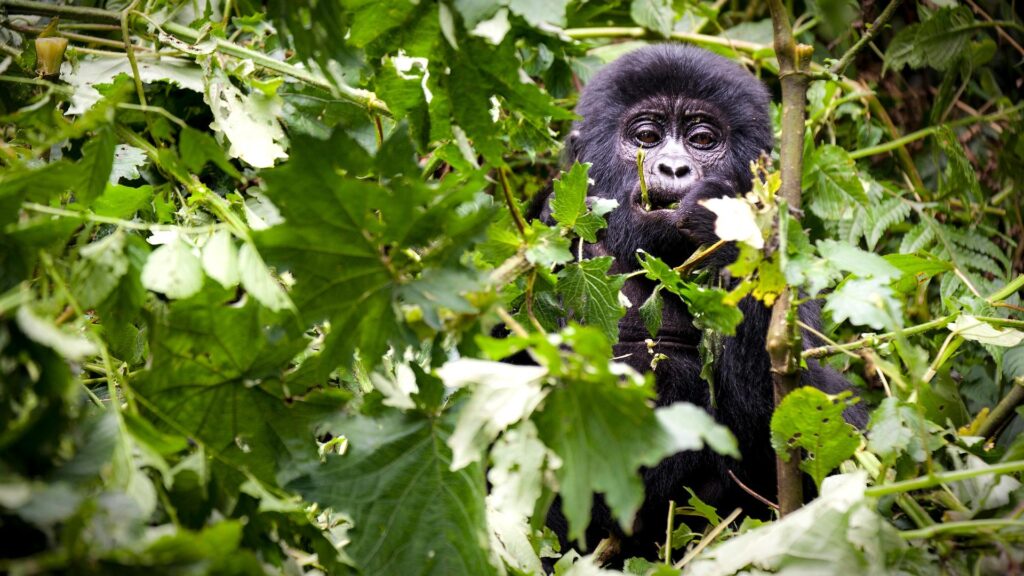
The park’s position along major tourist routes connecting Kampala to southwestern Uganda’s gorilla parks (Bwindi and Mgahinga) makes it perfect for breaking long journeys with rewarding wildlife encounters, transforming tedious transfer days into exciting safari experiences.
Diverse Habitats Creating Unique Ecosystems
Lake Mburo National Park’s ecological significance far exceeds what its modest size might suggest. The park protects one of only two Ugandan savannah ecosystems integrated within extensive wetland systems—creating habitat mosaics supporting specialized species adapted to this land-water interface.
Five Lakes Within Park Boundaries
While fourteen lakes occupy the broader Ankole region, five lie within Lake Mburo National Park boundaries:
Lake Mburo: The largest and most accessible lake provides boat safari opportunities, supports massive hippo populations, and attracts countless waterbirds. Its papyrus-fringed shores create critical nesting habitat for numerous species.
Lake Kachera, Lake Warukiri, Lake Kigambira, and Lake Miranga: These smaller lakes scattered across the park create additional aquatic habitats supporting diverse waterbird communities and concentrating wildlife during dry seasons.
The lakes’ permanent water combined with seasonal wetlands ensures year-round wildlife productivity, maintaining healthy populations even during periods when other savannah areas suffer drought stress.
Habitat Mosaic Diversity
Beyond the lakes, Lake Mburo encompasses remarkable terrestrial habitat variety:
Grassy Rolling Hills: Open savannah grasslands covering much of the park support grazing specialists—zebras, impalas, topis, and buffaloes—creating classic African safari scenery.
Acacia Woodlands: Ancient whistling thorn acacia woodlands provide browse for giraffes (notably absent from Lake Mburo currently, though reintroduction is considered), shade for resting wildlife, and nesting sites for countless bird species.
Papyrus Swamps: Extensive papyrus marshes fringing lakes harbor specialized species including the elusive sitatunga antelope, rarely seen elsewhere in Uganda.
Rocky Outcrops: Granite kopjes scattered across the landscape provide leopard refuges, klipspringer habitat, and scenic viewpoints offering panoramic vistas.
This habitat diversity concentrated in relatively small area creates exceptionally productive ecosystems supporting biodiversity rivaling much larger parks.
Unique Wildlife: Species Not Seen Elsewhere in Uganda
Lake Mburo National Park wildlife includes several species either absent or extremely rare in Uganda’s other parks, making visits essential for comprehensive wildlife checklists:
Zebra Capital of Uganda
Lake Mburo supports Uganda’s only significant plains zebra population, with hundreds of these striking equids grazing the savannah grasslands. Their presence creates iconic safari imagery—zebra herds silhouetted against lake backdrops, stallions engaged in territorial battles, and foals staying close to protective mothers.
Impala Headquarters
Similarly, Lake Mburo harbors Uganda’s largest impala population. These elegant antelopes—absent from most Ugandan parks—gather in large mixed herds, their spectacular leaping abilities and graceful movements delighting visitors.
Eland and Topi Concentrations
The park supports healthy populations of Africa’s largest antelope (eland) and the athletic topi, both species uncommon elsewhere in Uganda. Watching massive eland bulls—weighing up to 900 kilograms—moving with surprising grace or observing topi sentinels standing atop termite mounds scanning for predators provides distinctive safari moments.
Buffalo Without Lions
Large buffalo herds roam the park without the lion pressure affecting herds elsewhere, creating different behavioral patterns and allowing safer observation. The “dagga boys”—solitary old bulls with massive horns—often tolerate remarkably close approaches.
Leopard and Hyena: Night Safari Stars
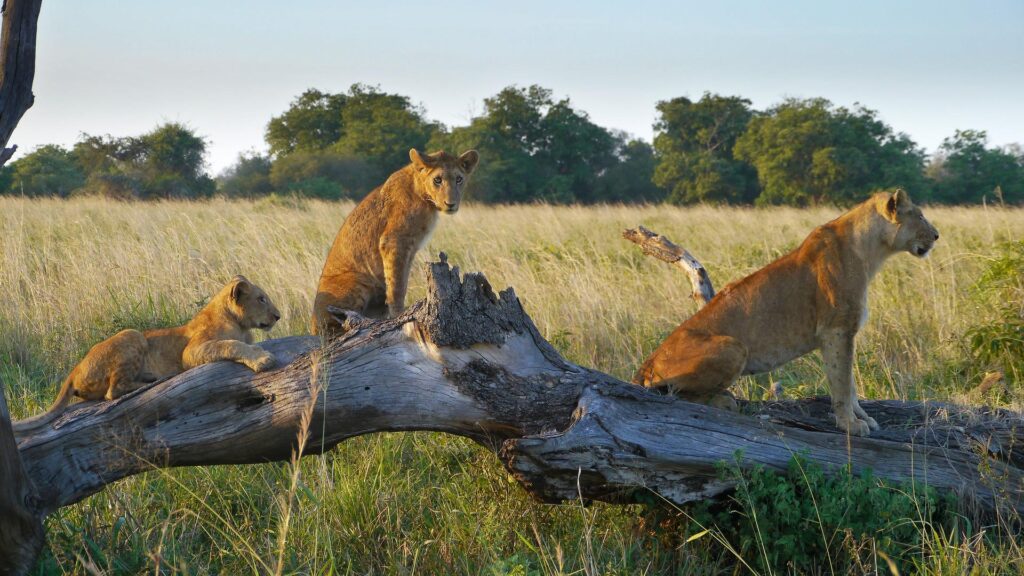
While Lake Mburo lacks lions (historically present but now locally extinct) and elephants, it maintains healthy leopard and spotted hyena populations. Night drives—permitted here unlike in most Ugandan parks—regularly reveal these nocturnal predators hunting, creating thrilling after-dark wildlife encounters.
Aquatic Wildlife Abundance
The lakes support enormous hippo populations—Lake Mburo alone harbors several hundred individuals. Nile crocodiles bask on muddy banks, while the rare sitatunga antelope inhabits papyrus swamps, its splayed hooves adapted for navigating waterlogged terrain.
Exceptional Birdwatching: Over 350 Species
Lake Mburo National Park ranks among Uganda’s premier birding destinations, with over 350 recorded species exploiting the diverse wetland-savannah interface. The park’s modest size actually advantages birders—comprehensive coverage proves possible during multi-day visits, with habitat variety ensuring constantly changing species compositions.
Rare and Sought-After Species
The aquatic ecosystems attract several highly sought species:
African Finfoot: This secretive waterbird—one of Africa’s most challenging species to observe—inhabits quiet lake backwaters and swampy channels, occasionally emerging for patient observers.
Shoebill Stork: Though less common than in Uganda’s extensive Mabamba Swamp, shoebills occasionally appear in Lake Mburo’s papyrus marshes, rewarding persistent birders with this iconic species.
Papyrus Endemics: Papyrus gonolek and white-winged warbler—specialists requiring extensive papyrus stands—thrive here, their distinctive calls echoing across the swamps.
Diverse Savannah and Woodland Species
The terrestrial habitats support impressive diversity: African fish eagles calling territorially, saddle-billed storks stalking through shallows, various kingfisher species, hornbills, rollers, bee-eaters, and countless LBJs (little brown jobs) challenging identification skills.
Raptors prove abundant, with martial eagles, long-crested eagles, snake eagles, and various hawks hunting across the savannahs and woodlands.
Unique Safari Activities: Beyond Game Drives
Lake Mburo’s lion-free and elephant-free status enables diverse activities impossible in more dangerous parks:
Walking Safaris
Guided walks with armed rangers allow intimate bush exploration, tracking wildlife on foot, learning about smaller species, understanding ecosystem relationships, and experiencing heightened awareness accompanying ground-level exploration.
Horseback Safaris
Lake Mburo offers Uganda’s only horseback safari opportunities. Riding through the bush provides unique perspectives—approaching wildlife differently than vehicles allow, covering ground quickly while maintaining quiet mobility, and experiencing the visceral thrill of exploring African wilderness on horseback.
Cycling Tours
Mountain bike safaris along park tracks create active, eco-friendly wildlife viewing, particularly appealing to younger, fitness-oriented travelers seeking alternatives to passive vehicle-based tourism.
Boat Safaris
Two-hour boat cruises on Lake Mburo reveal hippos, crocodiles, waterbirds, and mammals visiting shorelines to drink—all from comfortable, safe aquatic vantage points perfect for photography.
Night Game Drives
Permitted night drives reveal nocturnal species invisible during daylight—leopards, hyenas, genets, porcupines, bushbabies, and various owl species creating thrilling after-dark adventures.
Cultural Encounters: Ankole Heritage
The park borders traditional Ankole cattle-keeping communities. Cultural visits provide insights into pastoralist lifestyles, famous long-horned Ankole cattle, and the complex relationship between livestock keepers and wildlife conservation.
Your Intimate Uganda Safari Awaits
Lake Mburo National Park delivers uniquely intimate Uganda safari experiences—diverse wildlife, rare species, multiple activity options, and exceptional accessibility combining to create memorable adventures in Uganda’s most underrated protected area.