Renowned globally as the “Primate Capital of the World,” Kibale Forest National Park harbors the highest concentration and diversity of primates found anywhere on Earth. This magnificent 766-square-kilometer protected area in western Uganda supports approximately 1,500 chimpanzees, our closest living relatives—alongside twelve other primate species thriving within pristine tropical rainforest, creating unparalleled opportunities for intimate wildlife encounters and transformative ecotourism experiences.
The Kibale Forest National Park ecosystem represents one of Africa’s most biodiverse protected areas, where ancient rainforest, montane woodlands, grassland savannah, and seasonal swamps create habitat mosaics supporting extraordinary species richness. Beyond its celebrated primate populations, Kibale forms a critical 180-kilometer wildlife corridor with Queen Elizabeth National Park, enabling elephants, buffalo, and numerous other mammals to migrate freely between these complementary ecosystems.
The Primate Paradise: Thirteen Species in One Forest
What distinguishes Kibale Forest National Park Uganda from other primate destinations is the sheer diversity concentrated within accessible forest. Few places worldwide allow observation of thirteen different primate species during single visits, creating bucket-list experiences for wildlife enthusiasts and researchers alike.
Chimpanzee Communities: The Main Attraction
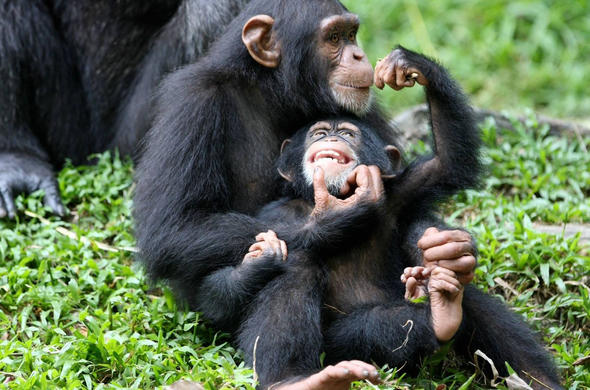
Kibale Forest National Park supports East Africa’s largest chimpanzee population, with approximately 1,500 individuals inhabiting the forest. Several communities have undergone habituation—a careful, multi-year process acclimating wild chimpanzees to human presence without altering natural behaviors—enabling remarkable close-range observation opportunities.
Chimpanzee trekking Kibale experiences typically begin early morning when these intelligent apes vocalize loudly, communicating between dispersed family members. Expert trackers locate communities through distinctive pant-hoot calls echoing through the canopy, then guide visitors carefully through the forest for allocated viewing hours.
Observing habituated chimpanzees proves profoundly moving. Watch complex social interactions unfold: grooming sessions strengthening family bonds, playful juveniles tumbling through undergrowth, dominant males displaying impressive power, mothers tenderly caring for infants, and tool use demonstrating remarkable intelligence—termite fishing with modified sticks, nut-cracking with stone hammers, and leaf-sponges for drinking water from tree holes.
The similarities to human behavior prove striking and occasionally unsettling. Chimpanzees share approximately 98.7% of our DNA, expressing emotions—joy, grief, anger, affection—in immediately recognizable ways. These encounters often inspire profound reflections on our place in nature and responsibilities toward our closest evolutionary relatives.
Twelve Additional Primate Species
Beyond chimpanzees, Kibale Forest harbors extraordinary primate diversity:
Red Colobus Monkeys: These endangered primates display distinctive russet coloring and acrobatic canopy movements. Kibale supports significant populations of both Ugandan red colobus and the closely related red colobus species.
L’Hoest’s Monkey: This shy, terrestrial species inhabits dense undergrowth, recognizable by distinctive white “beards” contrasting with dark faces and bodies.
Olive Baboons: Large troops forage across forest edges and grasslands, their complex social hierarchies and intelligent behaviors fascinating to observe.
Black-and-White Colobus: These striking primates display dramatic coloring—jet black bodies with flowing white shoulder mantles and tail tufts—often visible high in canopy feeding on leaves.
Grey-Cheeked Mangabey: Agile forest specialists moving swiftly through middle canopy layers, their loud morning choruses create distinctive forest soundscapes.
Additional species include blue monkeys, red-tailed monkeys, vervet monkeys, pottos (nocturnal prosimians), and two galago (bushbaby) species active after dark.
Diverse Ecosystems Supporting Rich Biodiversity
Kibale National Park’s 766 square kilometers encompass remarkable habitat diversity, each ecosystem supporting specialized species assemblages:
Tropical Rainforest Dominance
The park’s core comprises mid-altitude moist evergreen forest—among Uganda’s most pristine remaining rainforest tracts. Towering trees exceeding 50 meters create multi-layered canopy structures where different primate species occupy distinct vertical niches, minimizing competition while maximizing forest resource utilization.
Montane Forest Transitions
Higher elevations support montane forest characterized by different tree compositions, endemic plant species, and specialized wildlife including forest elephants utilizing this habitat seasonally.
Grassland and Savannah
The northern sections transition to grassland savannah, creating edge habitats attracting different species and connecting ecologically with Queen Elizabeth National Park’s savannah ecosystems.
Swamp Forests
Seasonal and permanent swamps provide critical water sources, support unique plant communities, and concentrate wildlife during dry seasons.
The 180km Wildlife Corridor: Conservation Connectivity
Kibale National Park forms the northern anchor of a continuous 180-kilometer wildlife corridor connecting to Queen Elizabeth National Park southward. This landscape-scale conservation achievement enables:
Elephant Migration: Forest elephants move freely between Kibale’s forests and Queen Elizabeth’s savannahs, following seasonal food availability and traditional migration routes.
Genetic Diversity: Wildlife populations maintain healthy gene flow through unrestricted movement, preventing the genetic isolation that threatens small, isolated populations.
Ecosystem Services: The corridor maintains ecological processes—seed dispersal, nutrient cycling, predator-prey dynamics—operating at landscape scales necessary for long-term ecosystem health.
This connectivity represents conservation best practice, recognizing that protected areas function optimally when connected rather than isolated as habitat islands.
Premier Ecotourism Activities
Chimpanzee Trekking: The Signature Experience
Kibale chimpanzee trekking operates year-round with morning and afternoon sessions. Groups limited to six visitors minimize disturbance while ensuring intimate experiences. Success rates exceed 90%—among the highest globally—with sightings typically lasting allocated hour-long viewing periods.
The Chimpanzee Habituation Experience offers extended encounters, allowing visitors to accompany researchers throughout entire days observing habituation processes and gaining deeper insights into chimpanzee ecology and behavior.
Guided Nature Walks
Forest walks beyond chimpanzee trekking reveal Kibale’s broader biodiversity. Expert guides identify the twelve additional primate species, explain forest ecology, demonstrate medicinal plant uses, and reveal smaller species—colorful butterflies, chameleons, forest duikers—easily overlooked during primate-focused treks.
Exceptional Birdwatching
Kibale National Park supports over 375 recorded bird species, including numerous Albertine Rift endemics found nowhere else globally. Forest specialists like the African pitta, green-breasted pitta, and Nahan’s francolin attract serious birders, while spectacular species—great blue turaco, African grey parrot, various hornbills—delight casual observers.
Cultural Encounters
Surrounding communities maintain complex relationships with forest resources. Cultural visits provide insights into traditional forest uses, contemporary conservation challenges, and how ecotourism increasingly benefits local people through employment, revenue sharing, and community development projects.
Ndali-Kasenda Crater Lakes
Just north of Kibale, the spectacular Ndali-Kasenda crater lake field features dozens of lakes occupying ancient volcanic craters. These scenic attractions offer hiking, canoeing, cultural experiences, and accommodation options complementing Kibale Forest visits.
Planning Your Kibale Experience
Kibale National Park lies approximately 320 kilometers west of Kampala—about 5-6 hours by road. The park headquarters at Kanyanchu provides visitor services, permits, and guide coordination.
Chimpanzee permits require advance booking, particularly during peak seasons (June-September, December-February). Various accommodation options ranging from budget campsites to luxury lodges surround the park.