Bwindi Impenetrable National Park: Home to Half the World’s Mountain Gorillas
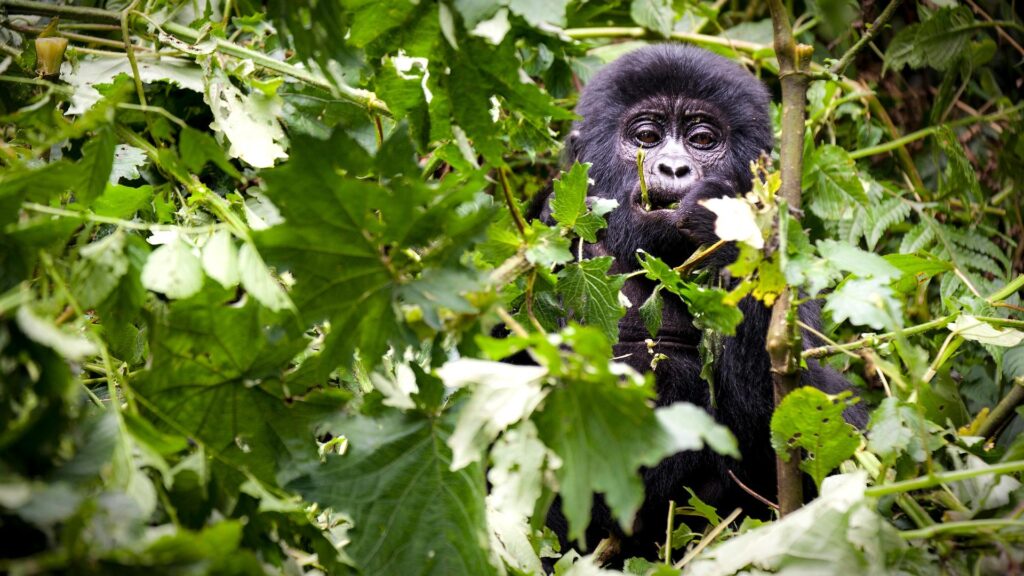
Rising dramatically across southwestern Uganda’s misty highlands, Bwindi Impenetrable National Park protects one of Earth’s most precious and endangered wildlife populations, approximately 459 mountain gorillas representing nearly half the species’ total global population. This UNESCO World Heritage Site, recognized in 1994 for its outstanding universal value, encompasses 331 square kilometers of ancient, primeval rainforest that has persisted for over 25,000 years, creating a biodiversity hotspot of global significance.
The Bwindi Impenetrable Forest experience transcends typical safari tourism; this is pilgrimage to witness humanity’s closest living relatives in their natural realm, trekking through dense jungle where every step reminds you that “impenetrable” isn’t mere marketing hyperbole. Here, among towering trees draped in moss and vines, across steep ravines and muddy ridges perpetually shrouded in mist, you’ll encounter mountain gorillas in moments so profound they often reduce grown adults to tears.
Ancient Forest: 25,000 Years of Continuous Evolution
Bwindi Impenetrable National Park protects one of Africa’s oldest and most biodiverse forests, a primeval ecosystem that survived the last Ice Age when most African forests contracted to small refugia. This ancient continuity enabled species diversification rarely found elsewhere, creating the extraordinary biodiversity that today characterizes Bwindi.
The forest’s physical character proves as remarkable as its biological richness. Elevations span 1,160 to 2,607 meters, creating dramatic topography of steep ridges, deep valleys, rocky outcrops, and seasonal waterfalls. Dense vegetation—described by early European explorers as genuinely “impenetrable”—comprises over 1,000 plant species including towering hardwoods, giant tree ferns, countless orchids, and medicinal plants used traditionally by the Batwa people for millennia.
The name “Bwindi” derives from the local Rukiga word for “impenetrable”, a perfect description for anyone who has attempted off-trail navigation through this jungle. Even established gorilla trekking routes require constant machete maintenance, while the forest’s notorious mud can swallow boots and challenge the fittest trekkers.
Mountain Gorilla Haven: Global Conservation Priority
Bwindi gorilla trekking represents the park’s primary attraction and the activity placing this remote corner of Uganda firmly on global tourism maps. The park’s approximately 459 mountain gorillas—living in numerous family groups scattered across four sectors—represent conservation’s greatest success stories.
Habituation Success: Making Encounters Possible
Multiple gorilla families have undergone careful habituation, a multi-year process gradually acclimating wild gorillas to human presence without altering natural behaviours. This delicate work, conducted by expert trackers and researchers, enables the tourism experiences that today fund conservation efforts protecting both gorillas and their forest habitat.
Bwindi Impenetrable National Park gorilla trekking operates from four sectors, each hosting several habituated families:
Buhoma Sector (Northern): The original tourism area, home to multiple gorilla families, including the famous Mubare group—Bwindi’s first habituated family.
Ruhija Sector (Eastern): Higher elevation sector offering challenging treks through spectacular montane forest.
Rushaga Sector (Southern): Contains the highest concentration of habituated families, providing the greatest permit availability.
Nkuringo Sector (Southern): Features dramatic landscapes and the steep terrain, creating some of Bwindi’s most physically demanding but rewarding treks.
The Gorilla Trekking Experience
Gorilla treks begin early morning with briefings at sector headquarters. Groups limited to eight visitors, accompanied by expert trackers, armed rangers, and guides, then venture into the forest following routes determined by where trackers located gorilla families earlier that morning.
Trek durations vary dramatically—from 30 minutes to 6+ hours depending on gorilla movements. The terrain proves challenging: steep, muddy slopes, dense undergrowth requiring machete clearance, high altitude reducing oxygen levels, and unpredictable weather. Yet every difficulty vanishes the moment you first glimpse these magnificent primates.
The allocated hour with gorillas passes in what feels like moments, yet creates lifetime memories. Watch massive silverbacks—weighing up to 220 kilograms—displaying impressive power yet gentle patience with playful youngsters. Observe mothers tenderly nursing infants, juveniles tumbling through vegetation in joyful play, and the complex social interactions revealing intelligence, emotions, and family bonds immediately recognizable to any human observer.
The experience proves profoundly moving. These creatures share 98.3% of our DNA, express emotions—joy, grief, curiosity, affection—in immediately comprehensible ways, and live in family structures mirroring our own. Many visitors report that gorilla encounters fundamentally shift their perspectives on humanity’s place in nature and our responsibilities toward our evolutionary relatives.
Gorilla Habituation Experience
Beyond standard treks, Bwindi offers the exclusive Gorilla Habituation Experience—full-day excursions (up to 4 hours with gorillas) accompanying researchers working with families still undergoing habituation. This intensive experience—limited to four visitors daily—provides unprecedented insights into gorilla ecology, behavior, and the habituation process itself.
Extraordinary Biodiversity Beyond Gorillas
While mountain gorillas rightfully dominate Bwindi Impenetrable National Park marketing, the forest’s broader biodiversity proves equally remarkable:
Mammal Diversity: 120+ Species
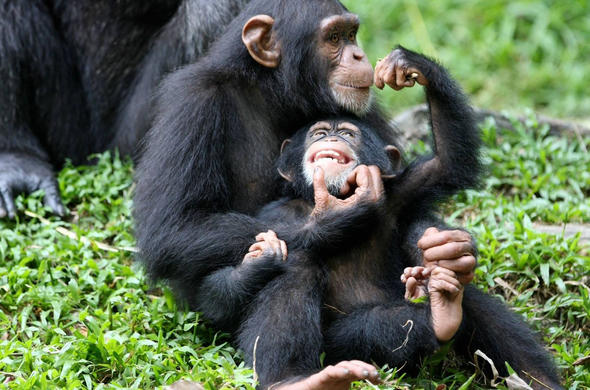
The ancient forest harbors extraordinary mammal diversity including eleven primate species: mountain gorillas, chimpanzees (though rarely seen due to dense vegetation), L’Hoest’s monkeys, black-and-white colobus, red-tailed monkeys, blue monkeys, olive baboons, and several nocturnal prosimians.
Other mammals include forest elephants occasionally crossing from Democratic Republic of Congo, duikers (several species), giant forest hogs, bushbucks, and various small carnivores like African golden cats (rarely seen).
Avian Paradise: 350+ Bird Species
Bwindi Impenetrable Forest ranks among Africa’s premier birding destinations, with over 350 recorded species including 23 Albertine Rift endemics found nowhere else on Earth. These endemic species—many evolved in isolation within the Albertine Rift’s montane forests—attract serious birders from worldwide.
Notable species include African green broadbill, Shelley’s crimsonwing, Grauer’s rush warbler, handsome francolin, and the spectacular great blue turaco. The forest’s vertical stratification—from understory to high canopy—supports different bird communities, while seasonal elevation movements create constantly changing avian compositions.
Botanical Richness: 1,000+ Plant Species
The forest’s botanical diversity astounds, with over 1,000 recorded plant species including 163 tree species, countless orchids, ferns (including giant tree ferns creating prehistoric atmosphere), and numerous medicinal plants. This flora provides food and habitat for the forest’s fauna while representing botanical treasure trove for researchers.
Cultural Heritage: The Batwa Experience
Bwindi encompasses not just natural heritage but profound cultural significance as the ancestral home of the Batwa people—often called “pygmies” though they prefer their ethnic name.
The Batwa cultural experience Bwindi provides respectful windows into the indigenous forest culture displaced when the park was established. Batwa guides—many former forest dwellers—demonstrate traditional hunting techniques, medicinal plant knowledge, fire-making skills, honey gathering, and survival strategies developed over millennia.
The experience includes visits to sacred sites, demonstrations of traditional music and dance, and honest discussions about conservation’s impacts on indigenous communities. This cultural dimension adds essential human context to wildlife-focused visits while supporting Batwa livelihoods through sustainable cultural tourism.
Diverse Trekking and Hiking Opportunities
Beyond gorilla encounters, Bwindi offers various forest exploration options:
Buhoma-Nkuringo Trail: This challenging 7-hour hike traverses the entire park from north to south, revealing spectacular waterfalls, diverse vegetation zones, and potential wildlife sightings.
Waterfall Trails: Several shorter walks visit scenic waterfalls—Munyaga, Rushura, and others—creating accessible forest experiences for those not gorilla trekking.
Bamboo Trail: Explores extensive bamboo zones representing critical gorilla feeding habitat when bamboo shoots emerge seasonally.
Guided Nature Walks: Various trails throughout all sectors reveal forest ecology, smaller species, medicinal plants, and the intricate relationships sustaining this ancient ecosystem.
Mountain Biking: Alternative Exploration
The hills and valleys surrounding Bwindi Impenetrable National Park provide excellent mountain biking opportunities through tea plantations, rural villages, and spectacular highland scenery—offering active alternatives to forest trekking.
Your Mountain Gorilla Pilgrimage Awaits
Bwindi Impenetrable National Park delivers humanity’s most profound wildlife encounter—meeting our evolutionary cousins in ancient forests where every element conspires to create transformative experiences resonating lifelong.