Ngorongoro Crater and Conservation Area, spanning 829,200 hectares of northern Tanzania’s highlands, has earned recognition as both a UNESCO World Heritage Site and one of Africa’s Seven Natural Wonders. What makes this destination truly exceptional isn’t just its geological magnificence—it’s the unparalleled concentration of wildlife, ancient human history, and breathtaking landscapes converging in one unforgettable location.
The Magnificent Ngorongoro Crater: Nature’s Perfect Arena
Picture a collapsed volcano creating a natural wildlife sanctuary 20 kilometres wide and 610 metres deep. That’s exactly what happened 2.5 million years ago when a massive volcano (rivalling Mount Kilimanjaro in height) erupted catastrophically and collapsed inward, forming the world’s largest intact volcanic caldera.
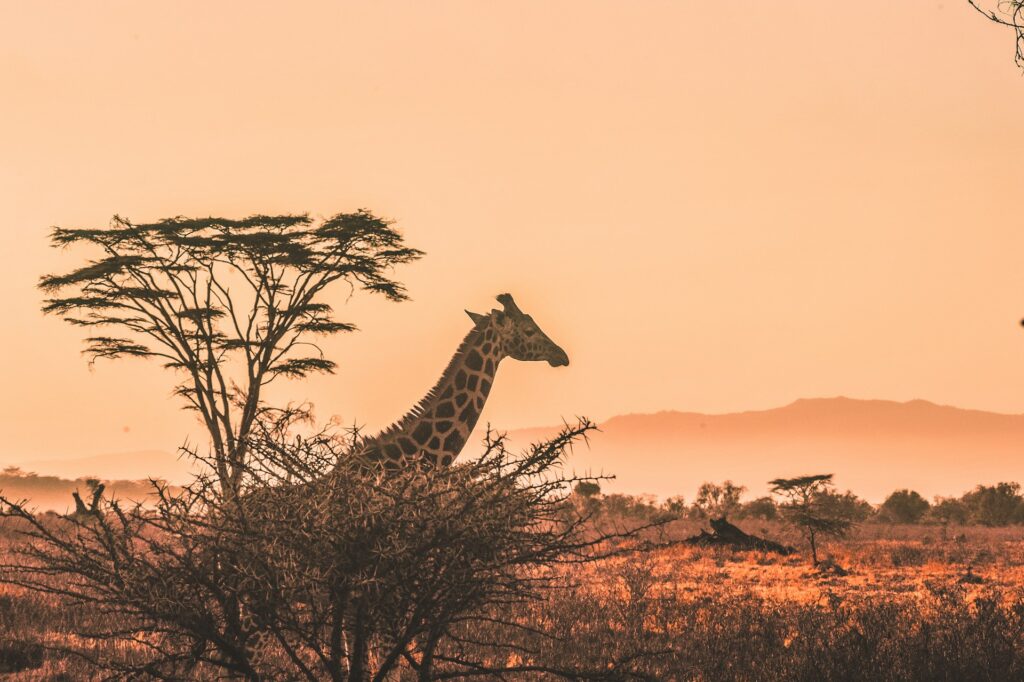
Today, this 30,000-hectare crater floor functions as a self-contained ecosystem where virtually every East African species thrives. The crater walls act as natural barriers, creating a year-round wildlife haven that guarantees exceptional game viewing regardless of season.
Unlike the vast Serengeti plains where animals migrate across thousands of square kilometres, Ngorongoro’s concentrated wildlife population means you can observe lions, elephants, buffalo, rhinos, and leopards (Africa’s Big Five) all within a single day’s safari. Few destinations on Earth offer such reliable, diverse wildlife encounters.
Ngorongoro Safari: Where Wildlife Density Meets Diversity
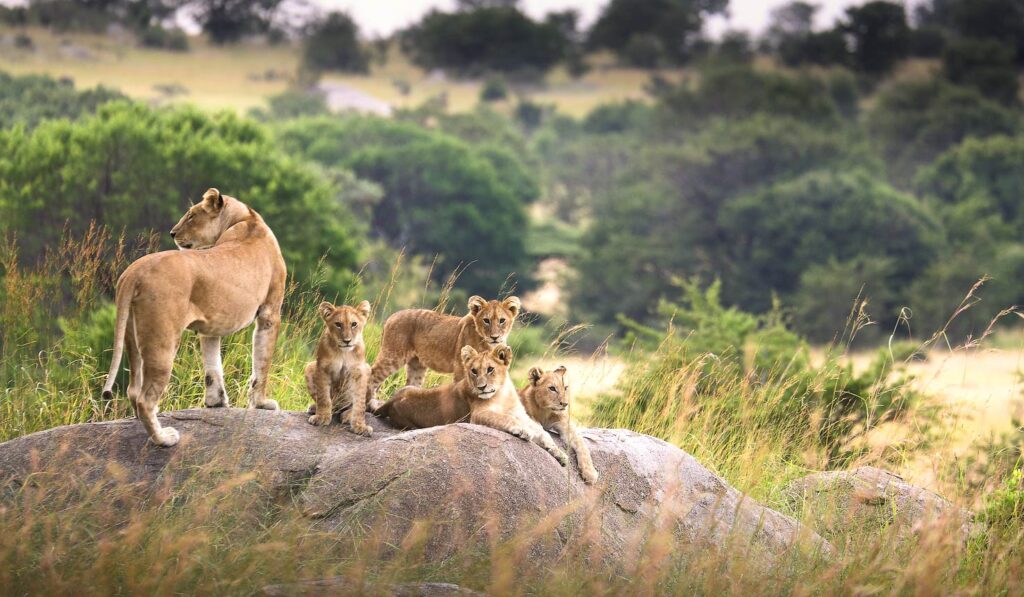
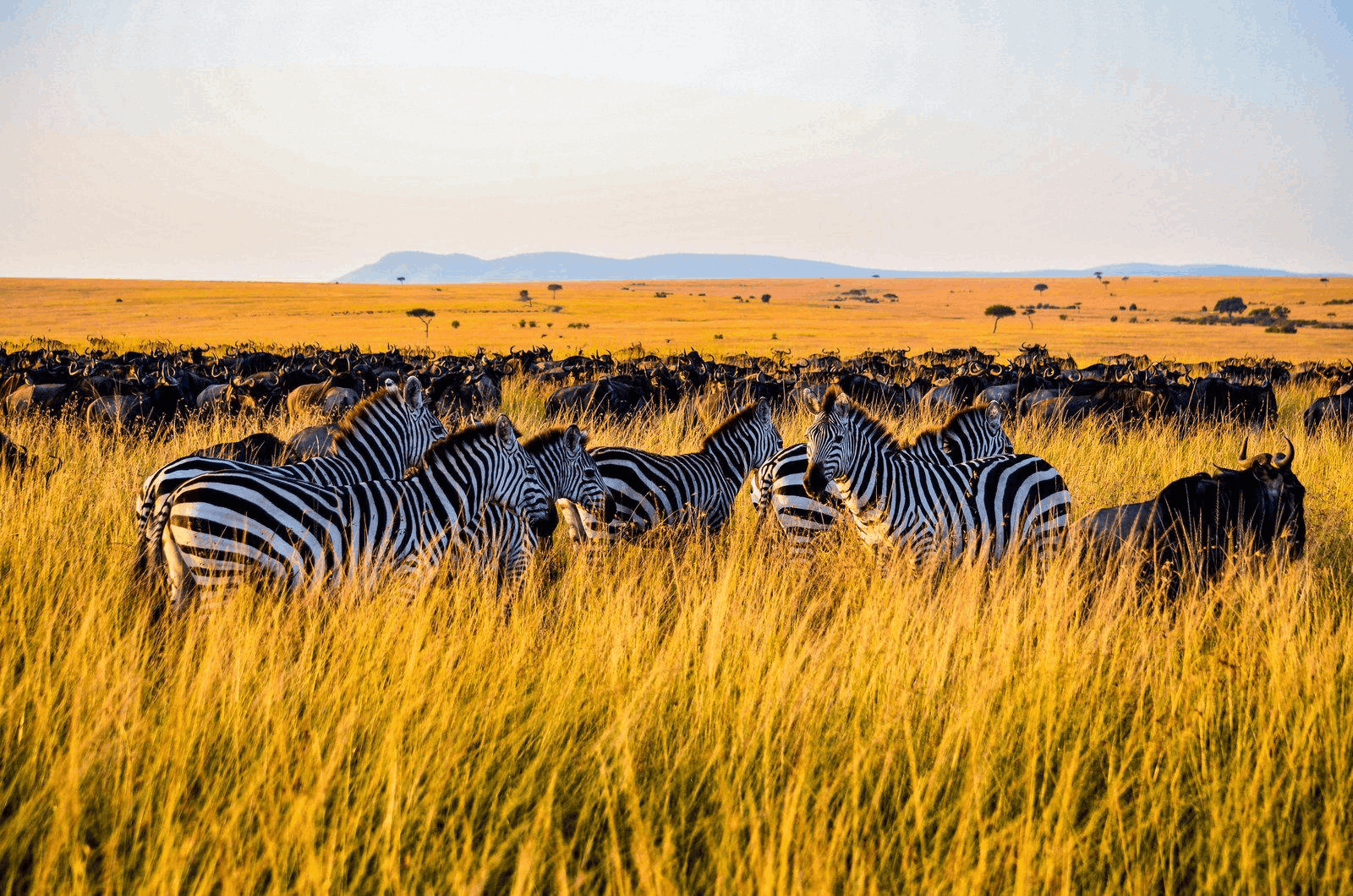
The numbers tell an impressive story: approximately 25,000 large mammals inhabit the crater floor, creating one of Africa’s highest wildlife concentrations. This includes roughly 7,000 wildebeest, 6,000 buffalo, 4,000 zebras, and around 70 lions forming several resident prides that never leave the crater.
The Big Five in One Day
Ngorongoro Crater ranks among the few African destinations where spotting all the Big Five animals in a single safari is genuinely achievable. The crater shelters approximately 30 critically endangered black rhinos, making it one of Tanzania’s most reliable rhino-viewing locations. These prehistoric-looking giants graze peacefully on the grasslands, often visible from considerable distances across the open plains.
Leopards, though more elusive, frequent the forested crater walls and acacia groves. Patient observers often spot them lounging in tree branches during midday heat or prowling the crater rim at dawn and dusk.
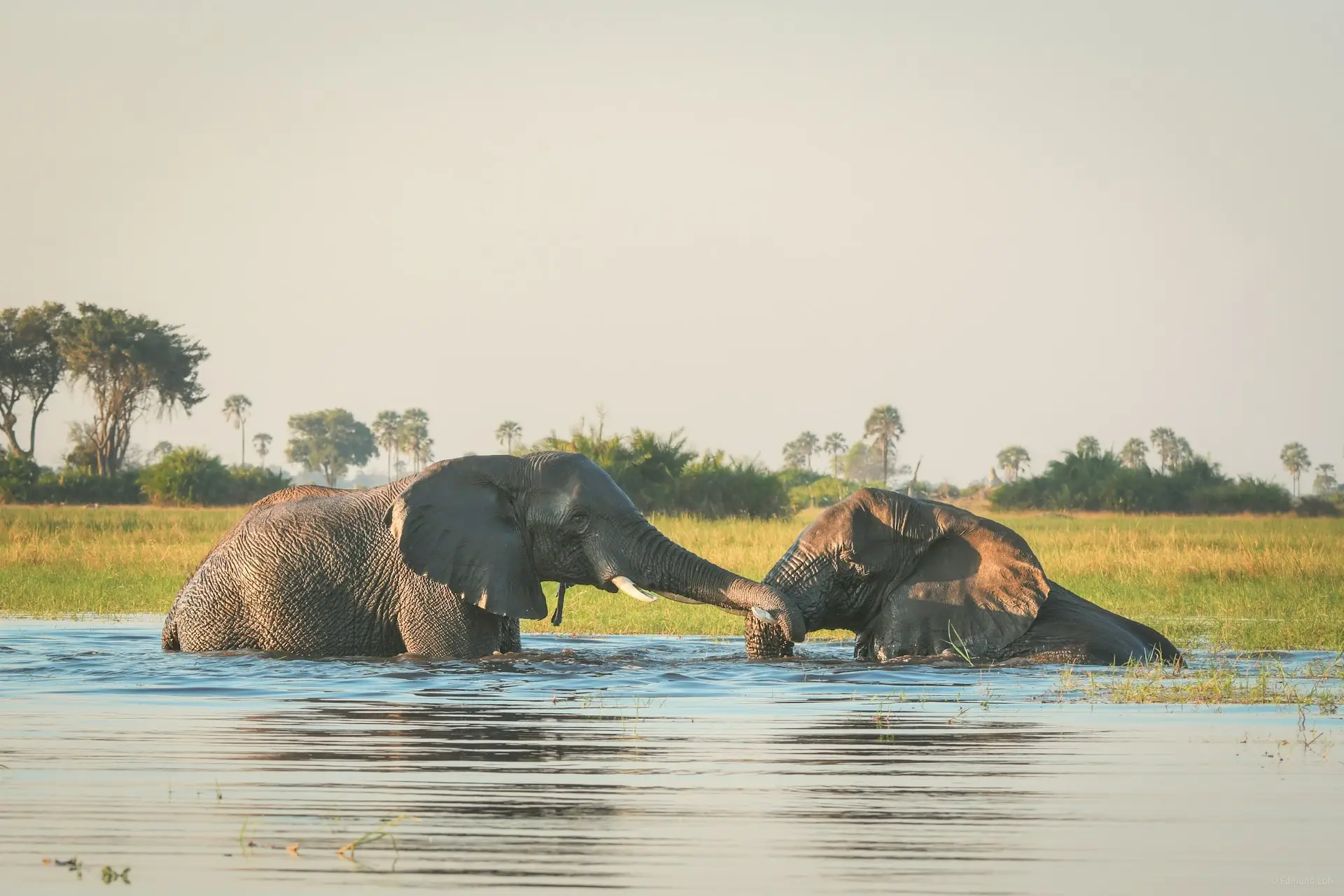
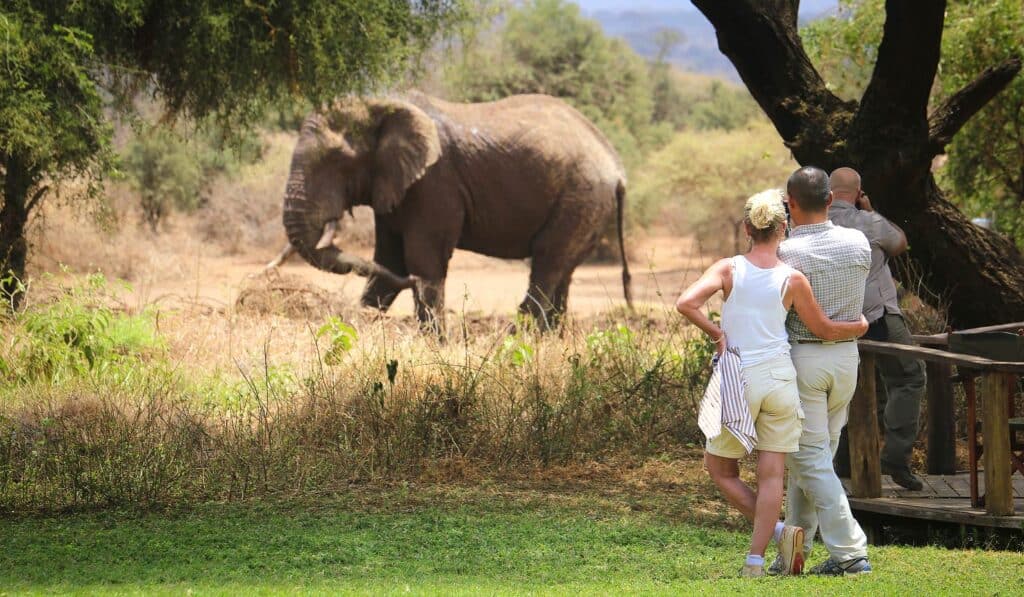
The crater’s elephant population consists primarily of bulls, as breeding herds prefer the surrounding highlands. These massive males sport some of Tanzania’s most impressive tusks, having lived relatively undisturbed for decades.
Beyond the Big Five
But Ngorongoro’s wildlife spectacle extends far beyond the famous five. Lake Magadi, the crater’s shallow alkaline lake, attracts thousands of pink flamingos that create shimmering pink carpets across the water’s surface. Hippo pools teem with these massive herbivores, while the grasslands support healthy populations of Thomson’s and Grant’s gazelles, eland, hartebeest, and warthogs.
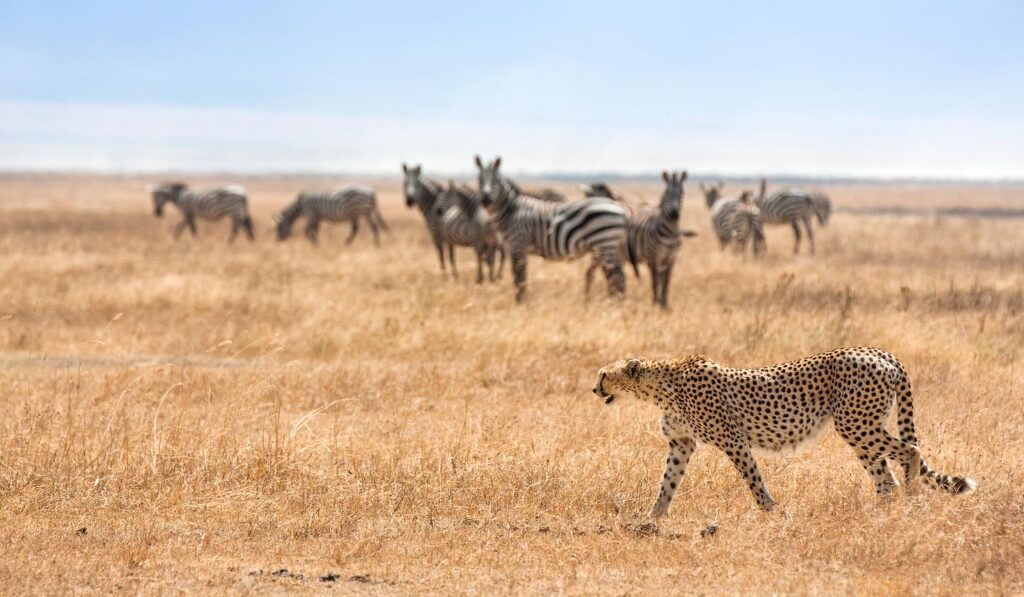
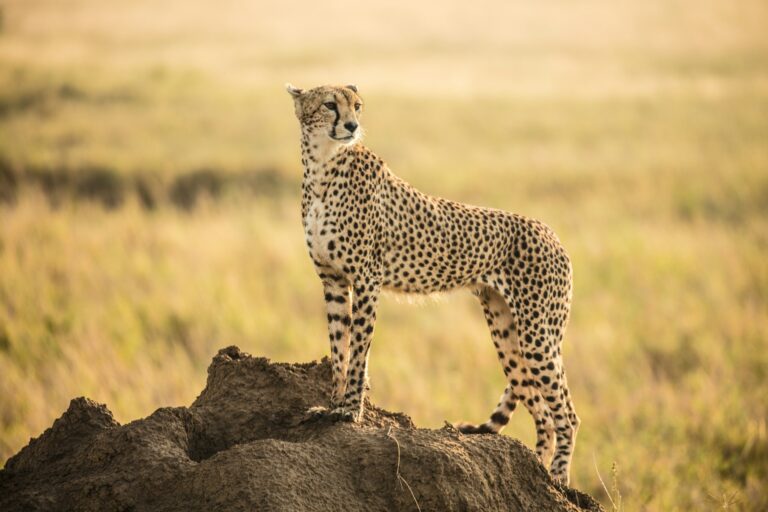
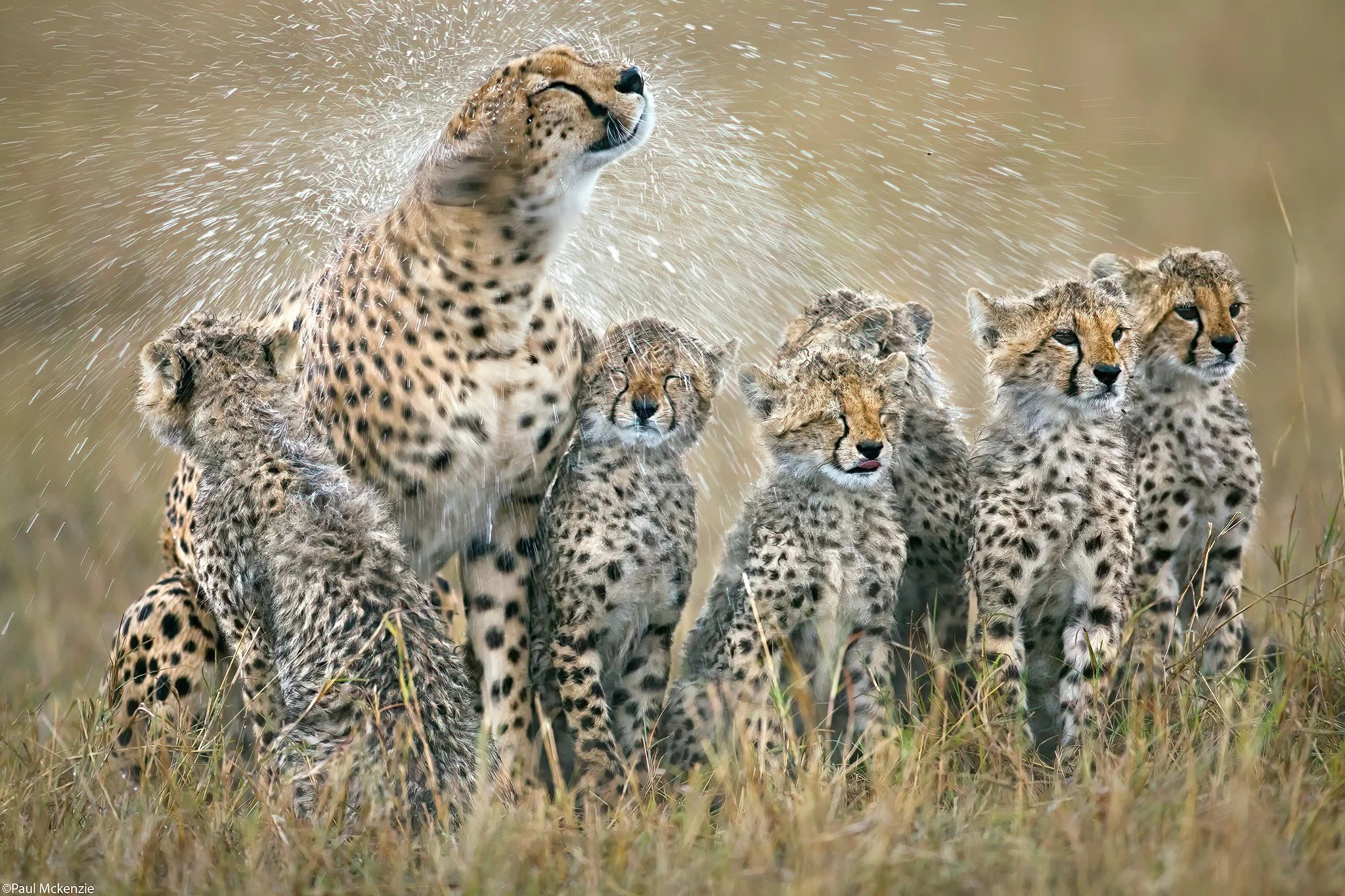
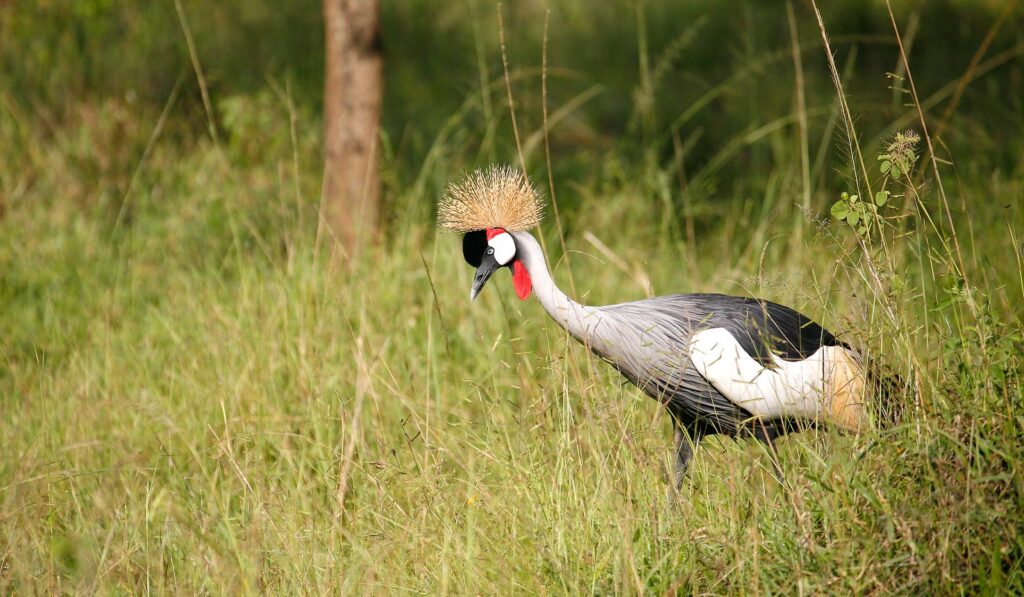
Predator diversity impresses equally. Beyond lions, the crater hosts spotted hyena clans, golden jackals, bat-eared foxes, and occasional cheetah sightings. The birdlife exceeds 500 species, including massive ostrich, elegant crowned cranes, and soaring augur buzzards.
The Serengeti-Ngorongoro Connection: Two Icons, One Ecosystem
The Ngorongoro Conservation Area forms an integral component of the greater Serengeti ecosystem. The short-grass plains extending from the crater’s rim serve as critical grazing grounds during the Great Migration’s southern circuit from December through March.
During these months, hundreds of thousands of wildebeest and zebras flood the Ngorongoro plains for the calving season. Within just 2-3 weeks, approximately 500,000 wildebeest calves are born, an explosion of new life that attracts every predator within range. This creates unparalleled action for safari enthusiasts: dramatic predator-prey interactions unfold constantly as lions, cheetahs, hyenas, and leopards capitalize on the abundance.
Ancient Human Heritage: Where Humanity Began
Ngorongoro’s significance transcends wildlife conservation—this landscape witnessed humanity’s earliest chapters. The nearby Olduvai Gorge, a 14-kilometre ravine cutting through the earth’s layers, represents one of archaeology’s most important sites.
Here, pioneering paleoanthropologists Louis and Mary Leakey uncovered fossilised hominid remains and primitive stone tools dating back 2 million years. Their discoveries fundamentally transformed our understanding of human evolution, proving Africa as humanity’s birthplace.
Visitors can tour the Olduvai Gorge Museum, where exhibits showcase our ancestors’ tools, fossilized footprints, and the geological layers that preserve this remarkable story. Standing where early humans once walked creates a profound connection to our collective past.
Living Culture: The Maasai of Ngorongoro
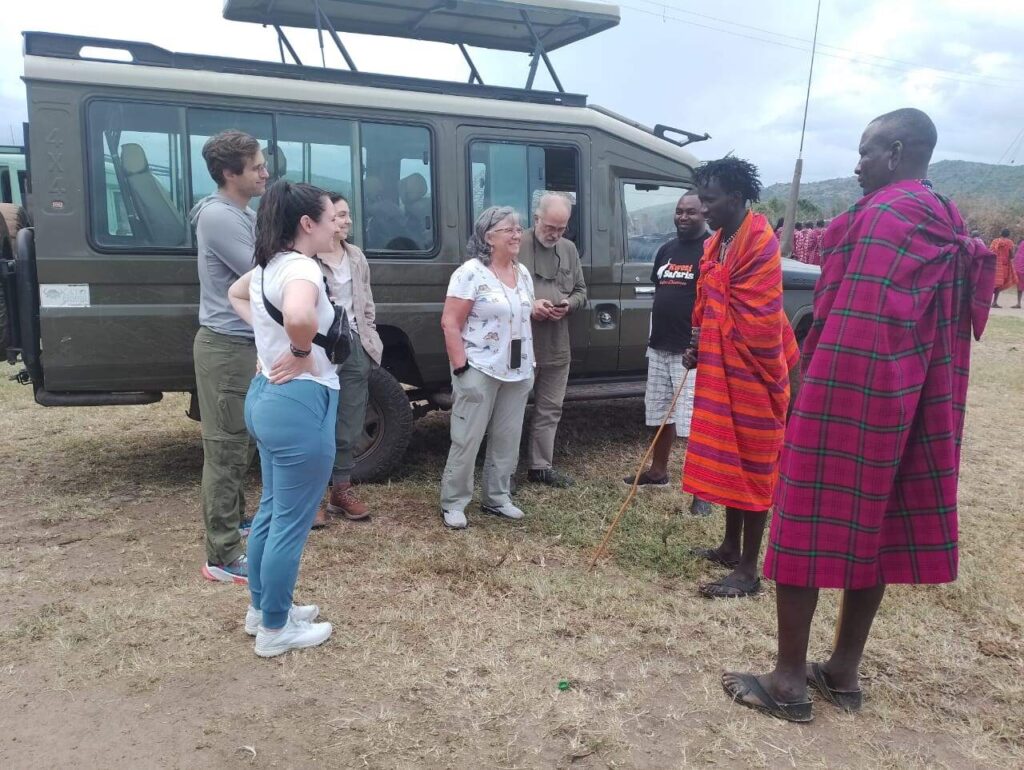
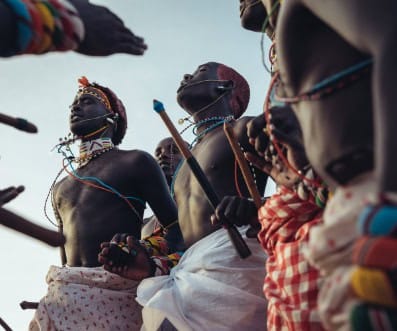
Unlike typical national parks where human habitation is prohibited, Ngorongoro Conservation Area uniquely allows the semi-nomadic Maasai people to live alongside wildlife, grazing their cattle as they have for centuries.
Visiting authentic Maasai villages (bomas) offers insights into traditional pastoralist culture. Watch warriors perform traditional jumping dances, observe intricate beadwork creation, and learn how this proud community maintains cultural identity while coexisting with lions, elephants, and buffalo.
This cultural dimension adds richness to the Ngorongoro experience, demonstrating that conservation and human communities can successfully coexist when properly managed.
Beyond the Main Crater: Hidden Volcanic Wonders
While the main Ngorongoro Crater dominates visitor itineraries, the conservation area encompasses additional volcanic features worth exploring:
Olmoti Crater
This smaller, collapsed caldera features spectacular waterfalls cascading down its walls. The relatively easy hike to Olmoti’s rim rewards trekkers with beautiful vistas and opportunities to encounter buffalo and eland along forested trails.
Empakaai Crater
Perhaps Ngorongoro’s most beautiful secret, Empakaai features a deep, emerald-green lake occupying half the crater floor. Thousands of pink flamingos gather in the shallows, creating stunning photographic opportunities. The steep descent to the lake challenges hikers, but the pristine wilderness experience justifies the effort.
Hiking and Trekking Adventures
Active travellers can extend their Ngorongoro experience beyond traditional game drives through several exceptional hiking opportunities:
Crater Rim Walks
Trekking along the crater’s rim delivers breathtaking panoramic views encompassing the entire caldera floor, stretching across the Serengeti plains to distant volcanic peaks including Ol Doinyo Lengai—East Africa’s only active carbonatite volcano. On clear days, Mount Kilimanjaro’s snow-capped summit appears on the horizon.
Mount Lemagurut
For serious hikers, Mount Lemagurut towers at 3,147 metres in the conservation area’s southern highlands. This challenging full-day climb demands good fitness but rewards summit-reaching trekkers with magnificent 360-degree vistas spanning the Serengeti, Ngorongoro Crater, and the shimmering expanse of Lake Eyasi.
Best Time to Visit Ngorongoro Crater
Ngorongoro’s year-round wildlife presence means excellent safari experiences regardless of timing, but certain periods offer specific advantages:
June to October: Peak Safari Season
These dry winter months deliver optimal game viewing conditions. Animals concentrate around permanent water sources, vegetation thins for improved visibility, and pleasant weather makes crater descents comfortable. Expect larger crowds and premium pricing during this high season.
January to February: Calving Season Spectacular
These months offer a unique combination: a break in the rains, fewer tourists than June-September, and the wildebeest calving season transforming the surrounding plains into a predator’s paradise. For witnessing dramatic predator-prey interactions, this period rivals any safari destination globally.
March to May: Emerald Season
The long rains bring fewer visitors and significantly lower rates. While occasional afternoon showers occur, mornings typically stay clear. The landscape explodes in lush greenery, Lake Magadi’s increased water levels attract massive flamingo flocks, and resident wildlife remains visible. Photographers particularly appreciate the dramatic storm-light conditions.
November to December: Short Rains
This transitional period sees the Great Migration herds beginning their return to the Ngorongoro plains. Lighter, more sporadic rainfall keeps landscapes green without significantly impacting wildlife viewing.
Planning Your Ngorongoro Crater Safari
Access and Permits
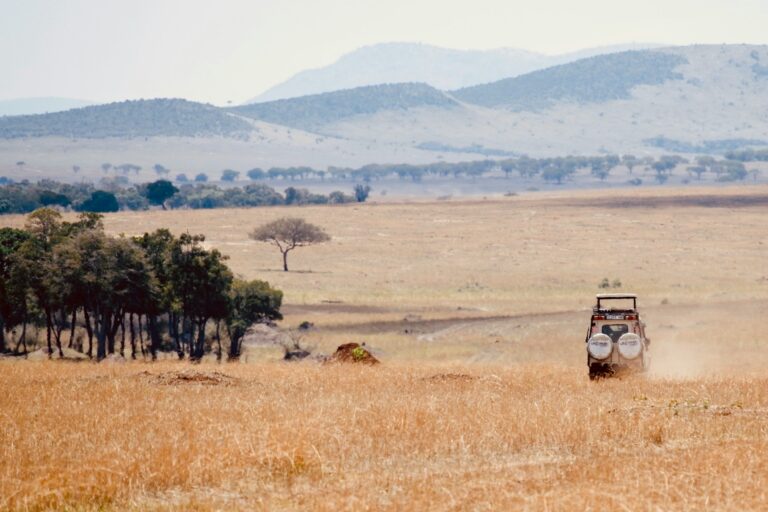
Reaching Ngorongoro typically involves flying into Kilimanjaro International Airport or Arusha, then driving approximately 180 kilometres through the scenic highlands. Most visitors combine Ngorongoro with Serengeti National Park and Tarangire National Park in comprehensive northern Tanzania safari circuits.
Entry permits are required and strictly monitored to protect this natural wonder. Crater descents are limited to specific entrance points, and most visitors spend 5-6 hours on the crater floor before ascending for lunch at rim-top lodges.
Accommodation Options
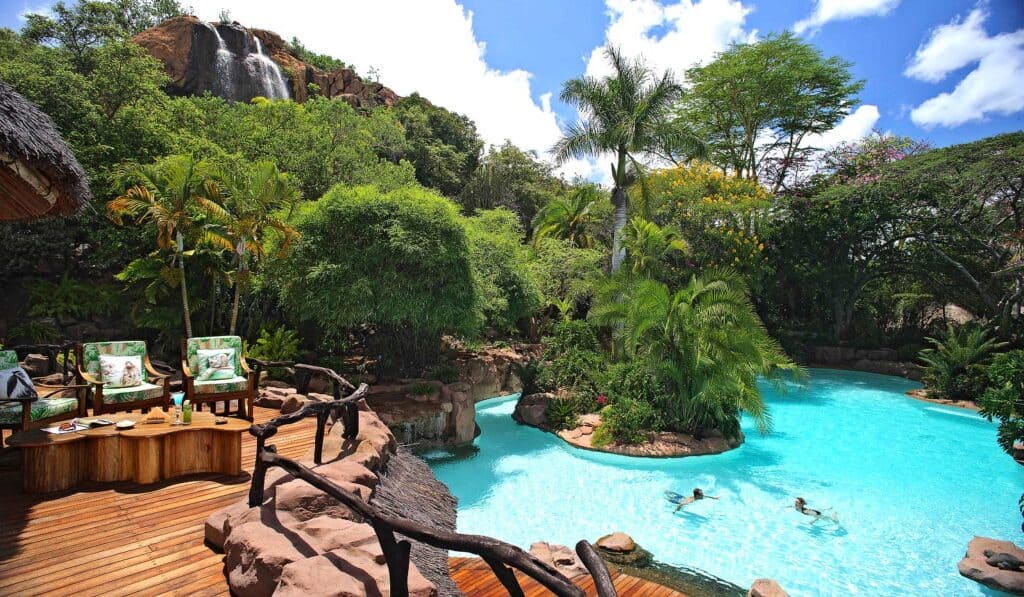
Accommodation ranges from luxury lodges perched dramatically on the crater rim—offering sunrise views across this natural amphitheatre—to more budget-friendly campsites. Rim lodges provide the unforgettable experience of watching the sun rise over the crater walls, illuminating the grasslands 600 metres below.
Conservation Challenges and Success
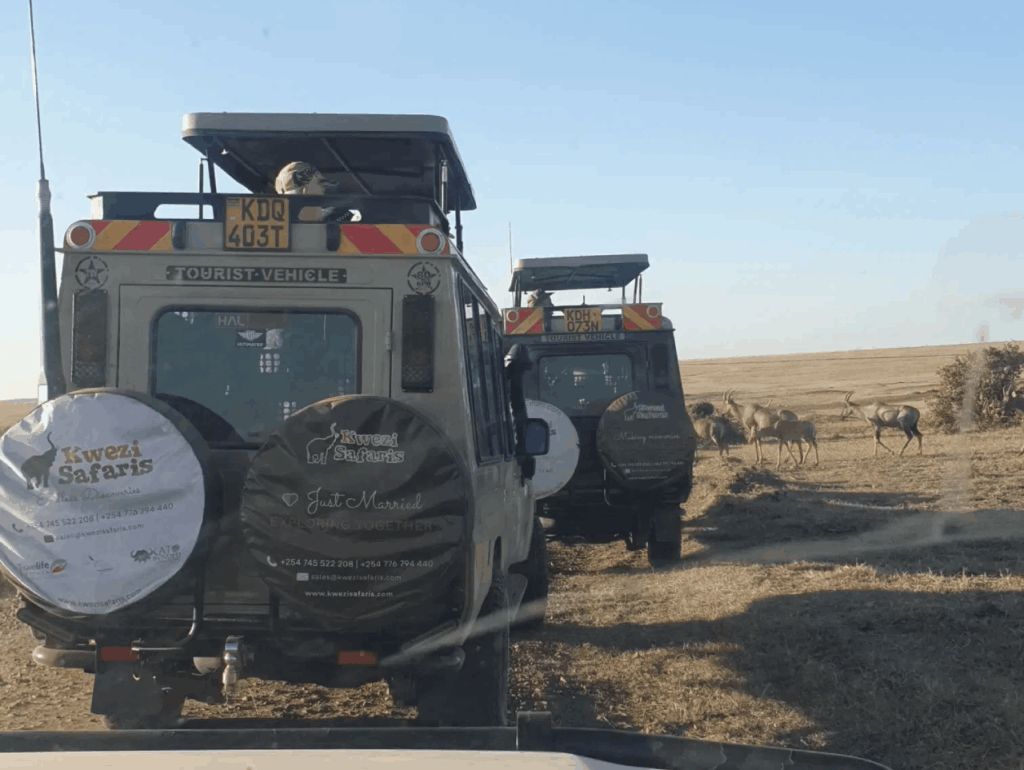
Managing Ngorongoro presents unique challenges. Balancing Maasai pastoralist needs, increasing tourism pressure, and wildlife conservation requires careful oversight. The Ngorongoro Conservation Area Authority implements strict regulations: vehicle numbers on the crater floor are limited, designated routes prevent habitat damage, and permits control visitor numbers.
These measures ensure this precious ecosystem remains protected for future generations while allowing current visitors to experience its magnificence.
Your Ngorongoro Crater Adventure Awaits
Ngorongoro Crater isn’t simply another safari destination: it’s where geology, wildlife, human history, and living culture converge to create something genuinely extraordinary. Whether you’re watching a lion pride devour their kill against the dramatic backdrop of crater walls, hiking through cloud forests to hidden volcanic lakes, or learning about humanity’s origins at Olduvai Gorge, Ngorongoro delivers moments that transcend ordinary travel.
This is Africa’s Garden of Eden, a place where nature’s grandeur unfolds within a collapsed volcano’s ancient embrace, where wildlife thrives in concentrations found nowhere else, and where every visitor leaves transformed by the experience.
Ready to descend into one of Earth’s greatest natural wonders? Your Ngorongoro Crater safari adventure, and the wildlife encounters of a lifetime await in Tanzania’s spectacular highlands